Hajj & Umrah Vaccines: A Medway Guide
Hajj and Umrah require specific vaccines. Learn what you need and book your travel consultation at Chatham Pharmacy.

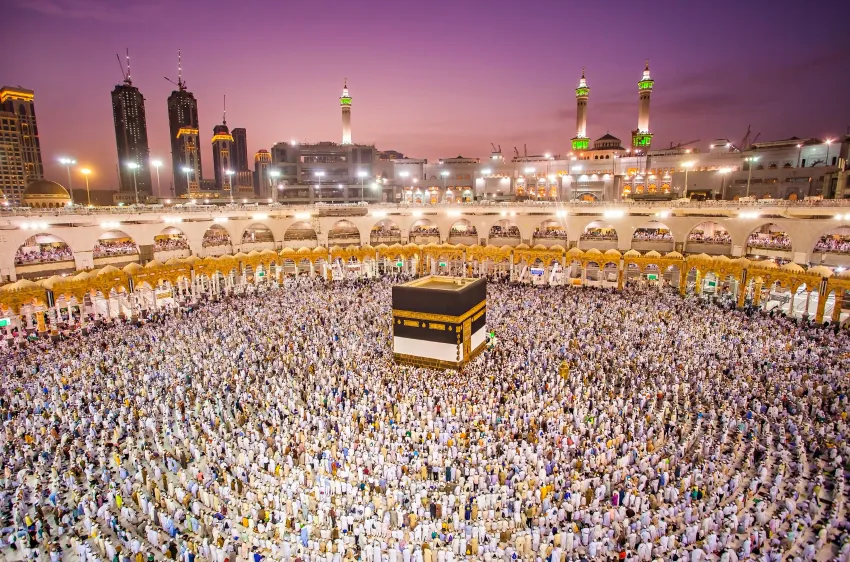
Are you planning Hajj or Umrah?
Millions of pilgrims travel to Saudi Arabia each year for Hajj and Umrah. Whether this is your first pilgrimage or you have made the journey before, protecting your health is essential. Certain vaccines are required or strongly recommended before you go, and some have specific timing rules that affect when you can travel.
This guide explains which vaccines matter, why they matter, and how to prepare in time. It is designed for people in the Medway area who are planning their pilgrimage and want clear, practical information to make the right decisions about their health.
Do you need vaccines for Hajj or Umrah?
The short answer is yes. Saudi Arabia requires proof of meningococcal vaccination for all pilgrims. Other vaccines are not legally required but are strongly advised by health authorities because of the crowds, the climate, and the health risks in the region.
The vaccines you need depend on three things: your age, your vaccination history, and which diseases are currently circulating. A personalised travel health assessment is the only way to know exactly what you need.
Meningococcal vaccination (required)
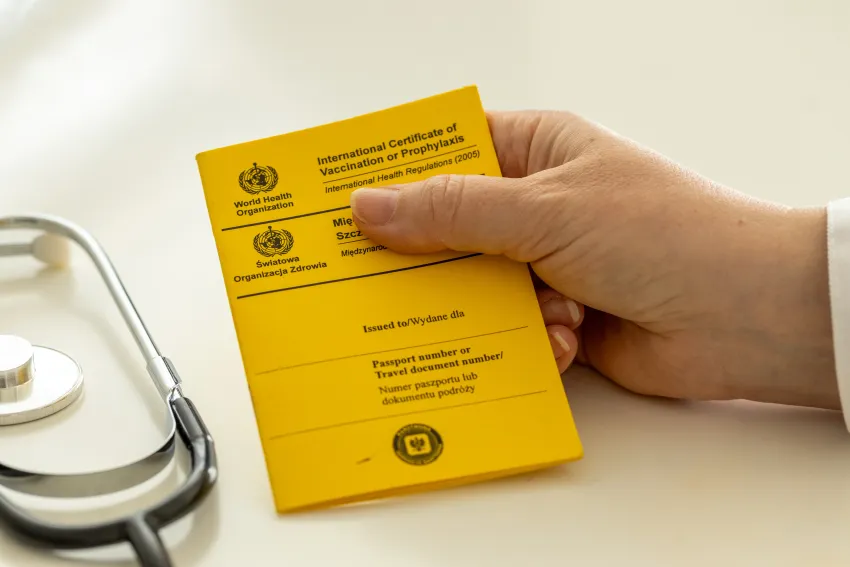
Saudi Arabia legally requires all pilgrims to show proof of meningococcal vaccination. You must have received a meningococcal ACWY vaccine (Menquadfi or Menveo) at least 10 days before entry, but ideally 2 to 3 weeks before.
If you received a meningococcal vaccine more than 5 years ago, you may need a booster. The rules change, so check the latest Saudi Arabia entry requirements before you book.
This vaccine protects against four strains of meningococcal bacteria. It is given as a single injection and takes about 2 weeks to become fully effective.
Yellow fever (highly recommended)
Yellow fever vaccination is not required for entry to Saudi Arabia, but it is strongly recommended. The disease is rare but serious, and outbreaks can occur in neighbouring countries. If you plan to travel to other regions in the Middle East or Africa before or after your pilgrimage, yellow fever protection becomes more important.
Yellow fever vaccine is given as a single injection. It provides protection for life in most cases, though some countries now recommend a booster after 10 years if you are at ongoing risk.
Typhoid (recommended)
Typhoid spreads through contaminated food and water. While standards in Mecca and Medina are generally good, the combination of crowds and travel means risk is higher than at home.
Typhoid vaccine comes as either an injection or oral tablets. The injection gives protection for 3 years; the tablets (taken over 4 days) also give 3 years of protection. Both are effective, so choose based on what suits you.
Hepatitis A (recommended)
Hepatitis A spreads through contaminated food and water, similar to typhoid. It is common in many parts of the world and can cause severe illness, though it is not usually life-threatening.
Hepatitis A vaccine is given as an injection. You need two doses, given 6 to 12 months apart, for long-term protection. If you are short on time, a single dose offers some protection, but two doses are better.
Polio booster (recommended if due)
If your routine polio vaccinations are up to date, you do not need a booster for Hajj. However, if you are unsure of your polio history or it has been more than 10 years since your last dose, a booster is recommended.
COVID-19 (check current requirements)
COVID-19 vaccination requirements change. Check the latest Saudi Arabia entry rules before you travel, as requirements may have changed since this was written.
Influenza and pneumococcal vaccines (consider)
Large crowds increase the risk of respiratory infections. If you are over 65, have a chronic health condition, or are immunocompromised, seasonal flu and pneumococcal vaccines are worth discussing with a pharmacist.
When should you book your vaccines?
Timing matters. Some vaccines need to be given weeks apart, and some take time to become fully effective.
Start planning at least 8 weeks before you travel. This gives you time to receive all vaccines without rushing and ensures they are fully effective before you depart.
Meningococcal vaccine must be given at least 10 days before entry (ideally 2 to 3 weeks). Yellow fever takes about 10 days to become effective. Hepatitis A, if you need two doses, requires 6 to 12 months between doses, so if you have not had it before, you may not have time for full protection on your first pilgrimage.
If you are travelling soon and have not yet had vaccines, book an appointment immediately. A pharmacist can advise on what is possible in your timeframe.
What happens at your travel health appointment?
A travel health consultation is not just about vaccines. A pharmacist will review your medical history, current medications, and any allergies. They will check your routine vaccination status and discuss the specific risks of your journey.
You will receive personalised advice on which vaccines you need, when to have them, and what to expect. The pharmacist will also discuss practical health measures: staying hydrated in the heat, managing medications during travel, preventing traveller's diarrhoea, and what to do if you become unwell while away.
This conversation takes 20 to 30 minutes and is the best way to feel confident and prepared.
Common questions about Hajj and Umrah vaccines
Can I have all my vaccines at once?
Most vaccines can be given together, but some have spacing rules. A travel health pharmacist will plan your schedule so you get everything you need in time.
What if I have already had meningococcal vaccine?
If you received it more than 5 years ago, you may need a booster. If it was within 5 years, you may not. Bring your vaccination records to your appointment so the pharmacist can check.
Do I need vaccines if I have been on Hajj before?
Your previous vaccines may still protect you, but some require boosters. A pharmacist will review your records and advise on what you need now.
What if I am pregnant or breastfeeding?
Some vaccines are safe in pregnancy and breastfeeding, others are not. Tell the pharmacist if you are pregnant or planning to become pregnant, or if you are breastfeeding. You will receive personalised advice.
Will vaccines interfere with my medications?
Most vaccines do not interact with medications, but some do. Bring a list of everything you take, including over-the-counter products and supplements, to your appointment.
What if I leave it too late?
Book as soon as possible. Even if you are short on time, a pharmacist can advise on what protection you can arrange before you travel.
Prepare now, travel with confidence
Hajj and Umrah are profound spiritual journeys. Protecting your health beforehand means you can focus on your pilgrimage without worry.
Chatham Pharmacy in Chatham offers travel health consultations and can arrange all the vaccines you need. We can see you quickly, including same-day appointments where possible, and we will make sure you have everything in place before you depart. Book a travel consultation with us today to start your preparation.
Ready to book an appointment?
Same-week availability for most services. Book online or call us.