Starting Mounjaro in Chatham: What to Expect in Your First Month
Your first month on Mounjaro explained—injections, side effects, diet, and when to contact your pharmacist.


Your First Month on Mounjaro: A Practical Guide
You have decided to start Mounjaro. Your prescription is ready, your first injection is booked, and you want to know what actually happens next. This guide walks you through your first four weeks: what the injection feels like, how to store and use it, what side effects to expect, and when to contact your pharmacist.
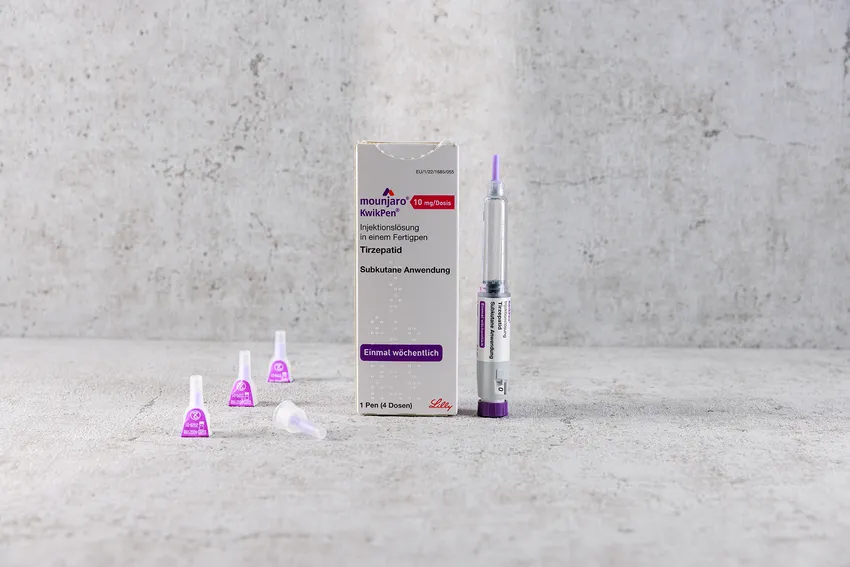
Mounjaro is a once-weekly injection for weight management. It works by mimicking a hormone that helps control appetite and blood sugar. Your first month is about getting comfortable with the injection itself, adjusting to how your body responds, and building the habits that make the treatment work.
Getting Ready: Before Your First Injection
Your pharmacist will have checked that Mounjaro is right for you. Before your first appointment, make sure you have a clear, cool place to store your pens at home. Mounjaro pens stay in the fridge at 2-8°C until you use them. Once you take a pen out to use, it can stay at room temperature (up to 30°C) for 28 days.
Wear loose clothing on injection day. You will inject into the belly, thigh, or upper arm—whichever feels easiest. Most people choose the belly or thigh. There is no need to fast or prepare your body in any special way.
Week One: Your First Injection
Your pharmacist will show you how to inject. The needle is very fine and the injection takes seconds. You may feel a small pinch or nothing at all. Some people feel a slight sting for a moment; others barely notice.
After your first injection, you might feel nothing for a few hours, or you might notice mild nausea within the first day. This is common and usually mild. Eat small, frequent meals and drink plenty of water. Avoid greasy or heavy foods for the first few days if nausea appears.
Keep a simple note of how you feel: any nausea, appetite changes, energy levels, or anything unusual. This helps you and your pharmacist track what is normal for you.
Weeks Two and Three: Settling In
By the second week, your appetite will likely start to drop. This is the drug working. You may feel full faster or lose interest in foods you normally enjoy. This is temporary and expected.
Some people experience mild constipation or loose stools in the second and third weeks. Drink extra water and eat foods with fibre if you need to. If constipation becomes uncomfortable, mention it at your next appointment.
Nausea, if it happens, usually peaks in the first two weeks and then improves. Eating smaller meals, staying hydrated, and avoiding very sweet or fatty foods helps. If nausea is severe or does not improve, contact your pharmacist.
You might feel a little more tired than usual. This often settles by week three. Make sure you are eating enough, reduced appetite does not mean you should skip meals.
Week Four: Reviewing Progress
By week four, you should feel noticeably less hungry. Your appetite suppression is working. You may have lost a small amount of weight already, though the real changes come over weeks and months.
This is a good time to check in with your pharmacist. Bring your notes on how you have felt, any side effects, and how your appetite has changed. Your pharmacist will ask whether you are ready for your second injection or whether you need to stay on the starting dose for another week.
Most people move to the next dose after four weeks, but some stay longer if they are still adjusting. There is no rush. Your pharmacist will guide you based on how you are doing.
Managing Side Effects in Month One
Nausea is the most common side effect in the first month. It is usually mild and improves with time. Eat small meals, avoid strong smells, and stay hydrated. Ginger tea or peppermint can help some people.
Constipation or loose stools happen because the injection slows your digestion. Drink more water, eat more fibre, and move your body gently. If you are very uncomfortable, ask your pharmacist about safe options.
Headaches and dizziness are less common but can happen. Make sure you are eating enough and drinking water. If a headache lasts more than a day or two, mention it.
Injection site reactions (redness, mild bruising, or soreness) are normal and fade within a few hours. Rotate your injection sites each week to avoid irritation.
What to Eat in Your First Month
You do not need a special diet, but Mounjaro works best when you eat protein, vegetables, and whole grains. Because your appetite is lower, make every bite count.
Eat three small meals and one or two snacks rather than grazing all day. This helps you stay satisfied and keeps your energy steady. Avoid very sugary drinks and foods—they can make nausea worse and do not keep you full.
Drink at least two litres of water a day. This helps with constipation, keeps you hydrated, and sometimes reduces nausea.
Do not skip meals because you are not hungry. Your body still needs fuel. If you are struggling to eat enough, talk to your pharmacist.
Practical Tips for Your First Month
Keep your injection pens in the same place at home so you do not forget them. Many people inject on the same day and time each week—Sunday morning, for example.
Use a sharps bin for your used needles. Your pharmacist can give you one or show you where to get one.
If you feel unwell or your side effects are severe, contact your pharmacist rather than waiting. Chatham Pharmacy can usually see you quickly if you need advice.
Do not stop your injection without talking to your pharmacist, even if you feel unwell. Most side effects improve within a few days, and stopping suddenly can affect your progress.
Common Questions in Month One
Will the injection hurt? Most people feel only a small pinch or nothing at all. The needle is fine and the injection is quick. If you are nervous, tell your pharmacist—they can talk you through it and go slowly.
Can I inject myself? Yes. Your pharmacist will teach you. Many people find it easier and less scary than they expected. If you prefer, you can come to the pharmacy for each injection.
What if I miss a week? Inject as soon as you remember, then continue your usual schedule the following week. If you miss more than a few days, contact your pharmacist for advice.
Can I drink alcohol? Yes, but alcohol can make nausea worse and can affect your blood sugar. Keep it light and stay hydrated.
How much weight will I lose in the first month? Weight loss varies. Some people lose a few pounds in month one; others lose nothing yet. The real changes come over months two to six. Your appetite suppression is the sign that the drug is working, even if the scales have not moved much.
What if I am pregnant or breastfeeding? Mounjaro is not suitable during pregnancy or breastfeeding. If you think you might be pregnant, tell your pharmacist immediately.
Can I take other medicines with Mounjaro? Most medicines are fine, but some need adjusting. Your pharmacist has checked this already, but mention any new medicines you start.
What if my side effects do not improve? Contact your pharmacist. Most improve by week three or four, but if yours do not, your pharmacist can help you manage them or adjust your plan.
Your first month on Mounjaro is about getting comfortable with the injection, understanding how your body responds, and building confidence in the treatment. Side effects are usually mild and improve quickly. Chatham Pharmacy in Chatham, is here to support you through every step, we offer same-day advice appointments and can answer questions between your scheduled injections. If anything feels wrong or you want to check in, get in touch. We are here to help you succeed.
Prices, dose options and what is included are on our Mounjaro in Medway page.
Pricing
Service | Price |
|---|---|
Medicated Weight Loss Service | Contact pharmacy for details |
Ready to book an appointment?
Same-week availability for most services. Book online or call us.