Professional Ear Wax Removal in Medway – Book Your Appointment Today!
- 10+ years of experience performing microsuction procedures
- Quick and simple, lasting just 15-20 minutes
- The most effective way to clean your ears & improve your hearing
4.9/5.0
About Microsuction Earwax Removal
Microsuction is a safe and simple way to clean blocked ears. It uses a tiny suction device to gently remove wax without any mess. This treatment is quick, painless, and done by trained professionals at our pharmacy to help you hear clearly again.
- 1
Does microsuction hurt?

No, it shouldn’t hurt. Most people feel comfortable during the treatment. You might feel a slight tickle or suction in your ear, but it’s over quickly.
- 2
Can I hear straight away?

Many people feel an improvement in their hearing straight after. It can be a relief if your ears were blocked with wax!
- 3
What is microsuction earwax removal?

Microsuction is a gentle way to clear earwax using a tiny suction device. It’s safe, quick, and doesn’t need water or syringing.
- 4
How long does it take?

The treatment usually takes about 15 to 20 minutes. It’s quick and you can go back to your day straight after.
- 5
Do I need to prepare for it?

Using ear drops a few days before can help soften the wax, making it easier to remove. We’ll let you know if that’s needed.

We have helped thousands of patients with our services
- Having blocked ears can be one of the most frustrating feelings there is, but our team of professionals can quickly and efficiently remove the earwax using our microsuction technique.

Why choose us?
- 10+ years experience
- 2,000+ happy patients
- 5+ expert staff members
- Using the latest technology
- Detailed assessment of your ear health will be made
Microsuction works best when the wax has been softened in the days leading up to the appointment. Hard wax can be more uncomfortable to remove, and sometimes it is hard to remove all of it in one session.
- Use olive oil drops
It is important that the wax is soft to make the procedure as comfortable and effective as possible. We recommend applying a few drops of olive oil into each ear that is affected by earwax. - Apply consistently for 5 days
Ideally this procedure should be performed twice daily for a period of 5 days running up to your appointment. - Relax and get ready
On the day of your appointment, avoid inserting anything into your ears, and let our professionals handle the rest. Your comfort is our priority!
Ear wax removal at Chatham Pharmacy
Our service is £50 for one ear and £65 for two ears. £25 consult fee if no wax removed. We do not offer wax removal services to any one under the age of 18

Book an appointment
Save yourself from waiting in the queue, book an appointment online or by phone.

Attend your consultation
Our clinicians are highly proficient in providing principal care to patients.

Receive treatment
Collect your medications or treatments in-store or choose home delivery.
What is microsuction and how does it work?
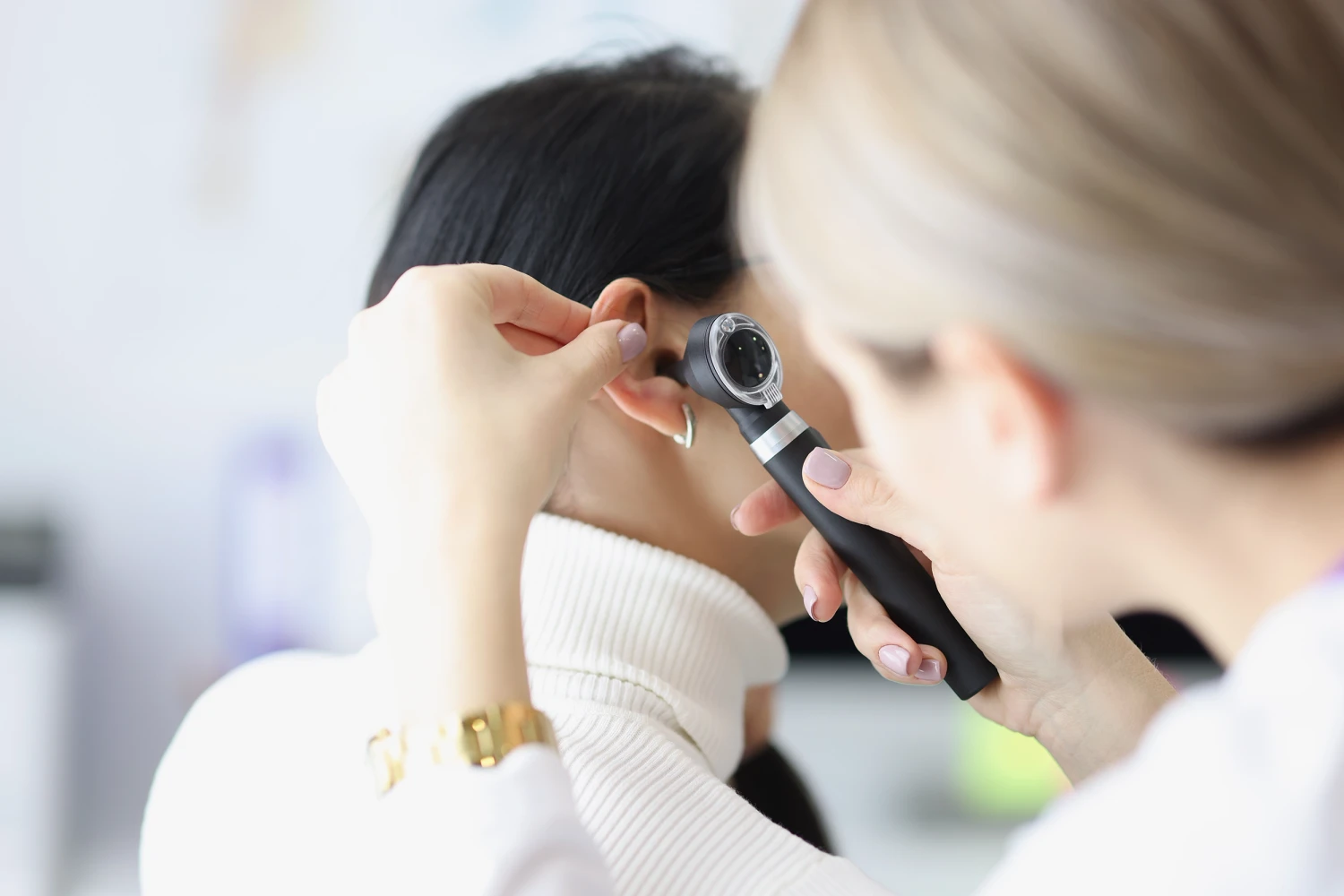
Microsuction uses a thin, sterile suction tip connected to a low-pressure medical vacuum. Your pharmacist examines the ear canal through a magnified video otoscope, which displays the inside of your ear on a screen in real time. You can watch the entire procedure if you like.
The suction tip is guided into the ear canal under direct vision and the wax is drawn out in small pieces. Because the clinician can see exactly what they are doing at every stage, the risk of touching the canal walls or eardrum is minimal. No water enters the ear at any point.
The whole procedure typically takes 15–20 minutes for both ears, and most patients notice an immediate improvement in hearing as soon as the wax is cleared.
Why microsuction rather than syringing?
GP surgeries across Medway have largely stopped offering ear syringing. Many practices opted out because of the cost, high demand, and the safety risks that come with irrigation, particularly for older patients, people with diabetes, and anyone with a history of ear surgery or perforated eardrums.
Microsuction has several practical advantages over traditional syringing:
It is performed under direct vision. The clinician watches the ear canal throughout, rather than flushing water in blindly. This makes it safer and more precise.
No water is involved. Syringing pushes warm water into the ear canal, which can cause dizziness, nausea, and increases the risk of ear infections. Microsuction is a dry procedure.
It works when syringing cannot. Patients with perforated eardrums, grommets, previous ear surgery, or active ear infections can still have microsuction safely. Irrigation is contraindicated in all of these cases.
It is quicker. Most patients are done in a single visit. Syringing often requires multiple appointments because the wax needs to be softer for the water to work.
NICE guideline NG98 recommends both irrigation and microsuction as methods for earwax removal in primary care. However, microsuction is the standard method used in hospital ENT departments because of the level of control it provides.
Who needs ear wax removal?
Around 2.3 million people in the UK each year have earwax problems that need professional removal. Wax build-up is more common in:
- People who wear hearing aids or use earbuds regularly these push wax deeper and prevent it from migrating out naturally
- Older adults earwax becomes drier and harder with age, making it more likely to compact
- People with narrow or curved ear canals
- Anyone who uses cotton buds they push wax further in rather than removing it
Common signs that you may have an earwax blockage include muffled hearing (often in one ear), a feeling of fullness or pressure, earache, tinnitus (ringing or buzzing), and dizziness. If your hearing aids are whistling more than usual, wax build-up is often the cause.
What happens during your appointment
Step 1 — Health check. You fill in a short medical questionnaire covering your ear history, any previous surgery, infections, or perforations. The pharmacist reviews this before starting.
Step 2 — Ear examination. Each ear is examined with a video otoscope. The image is displayed on screen so the pharmacist can assess how much wax is present, where it is sitting, and whether there are any signs of infection or other issues that need attention before proceeding.
Step 3 — Wax removal. Using the microsuction device, the pharmacist carefully removes the wax under magnified vision. You may hear a mild crackling or sucking sound this is normal. Some patients describe a slight tickling sensation. The procedure is not painful.
Step 4 — Post-procedure check. Both ears are re-examined to confirm the wax has been fully cleared. The pharmacist will let you know if there is anything else to be aware of, such as early signs of an ear infection or irritation.
If the wax is particularly hard or impacted, we may apply olive oil drops in the clinic and ask you to wait 10–15 minutes before trying again. In rare cases where wax cannot be fully removed in one sitting, we will book you a follow-up appointment at no extra charge.
How to prepare for your appointment
Using olive oil drops for 3–5 days before your appointment makes a significant difference. Softened wax comes out more easily, the procedure is more comfortable, and you are more likely to have a complete clearance in a single visit.
What to use: Pharmacy-grade olive oil drops or Earol spray. Both are available over the counter at our pharmacy. Avoid hydrogen peroxide drops or sodium bicarbonate drops unless specifically advised some of these can cause irritation.
How to apply: Tilt your head to one side. Apply 2–3 drops into the affected ear. Stay tilted for 5 minutes to let the oil soak in. Repeat twice a day for 5 days before your appointment.
On the day: Do not put cotton wool in your ears. Do not insert anything into the ear canal. If you wear hearing aids, leave them out after applying drops , oil residue can damage the electronics and this would not be covered by your hearing aid warranty.
Stop using drops and contact us if: you experience a foul taste in your mouth after applying drops (this can indicate a perforation in the eardrum), you develop significant pain, or you notice any discharge from the ear.
Aftercare
Keep your ears dry for 24 hours after the procedure. If you need to shower, tilt your head to keep water out of the treated ear, or use a cotton ball lightly coated in petroleum jelly as a temporary plug.
Do not insert cotton buds, hair grips, or any other objects into your ear canal. This is the single most common cause of wax impaction and ear canal injuries.
If you are prone to recurring wax build-up, using olive oil drops once a week can help keep the wax soft and allow it to migrate out naturally. Patients who wear hearing aids may benefit from a routine check every 6–12 months to prevent blockages from building up.
When to contact us after your appointment
Some mild sensations after microsuction are normal , a feeling of openness in the ear, slightly heightened sensitivity to sound, or mild temporary tinnitus. These usually settle within a few hours.
Contact us or see your GP if you experience any of the following after the procedure: persistent pain that does not improve with paracetamol, bleeding from the ear, discharge, dizziness that lasts more than a few hours, or any sudden change in hearing.
Pricing
- One ear: £50
- Both ears: £65
- Consultation fee (if no wax is present): £25
The consultation fee covers the full ear examination and assessment. If wax is present and removed, you only pay the removal fee, the examination is included.
We do not currently offer ear wax removal for patients under 18.
About your clinician
Mandeep Sandhu MPharmS is the superintendent pharmacist and clinical lead at Chatham Pharmacy. He is a GPhC-registered Independent Prescribing Pharmacist with over 10 years of experience, and holds certification in ear wax removal using microsuction techniques. All equipment is single-use or sterilised between patients, and the clinic follows Public Health England infection control guidance.
Chatham Pharmacy is registered with the General Pharmaceutical Council (GPhC premises number: 1031112, company number: 09741325).
Where to find us
Chatham Pharmacy is at 139 New Road, Chatham, ME4 4PT. We serve patients across Medway including Chatham, Rochester, Gillingham, Rainham, Strood, and the surrounding areas. The pharmacy has step-free access and nearby parking is available.
Opening hours: Monday to Friday, 9:00am – 6:15pm. We close for lunch between 1:00pm and 2:15pm.
To book: Use our online booking system or call 01634 404142.