Struggling with Ear Wax Build-Up? Safe and Quick Removal in Chatham
Safe ear wax removal in Medway. Learn how microsuction at Chatham Pharmacy restores clear hearing.


Ear wax keeps ears healthy
Ear wax traps dust and helps lubricate the canal. Most of the time it moves outward naturally. When that self cleaning flow stops, wax can gather and harden.
Why build up happens
Common reasons include narrow canals, regular earbud use, hearing aids, and working in dusty air. Age also matters because wax becomes drier after fifty.
Signs you may notice
- Muffled hearing especially after showering
- Ringing or buzzing
- Feeling of pressure or fullness
- Mild pain or itching
- Dizziness or imbalance
- Whistling from a hearing aid
NHS guidance (2024) names these as typical indicators of wax obstruction and advises professional assessment when they persist.
Hidden dangers of do it yourself removal
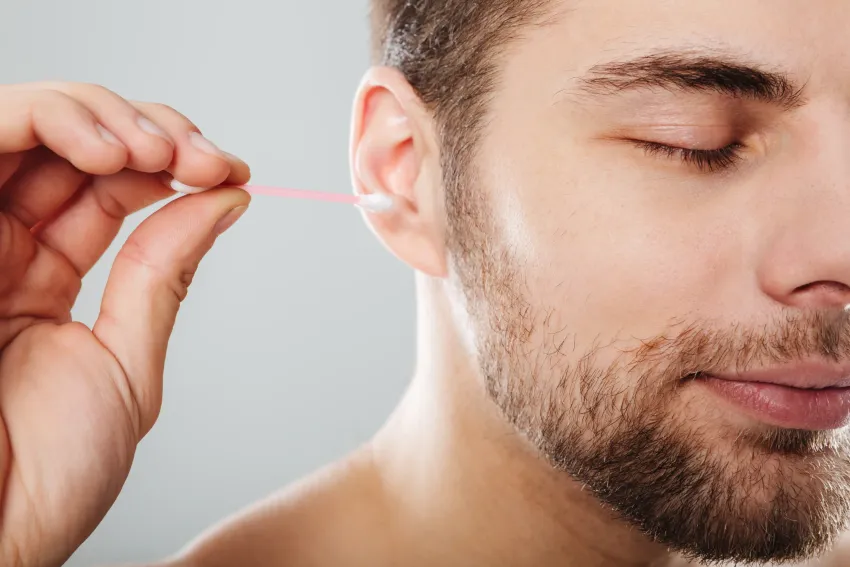
Cotton buds push wax deeper. Ear candles risk burns. Online syringing kits may spray hard and damage the eardrum. Royal National Institute for Deaf People (2024) reports rising injury cases linked to home gadgets.
Professional care prevents harm
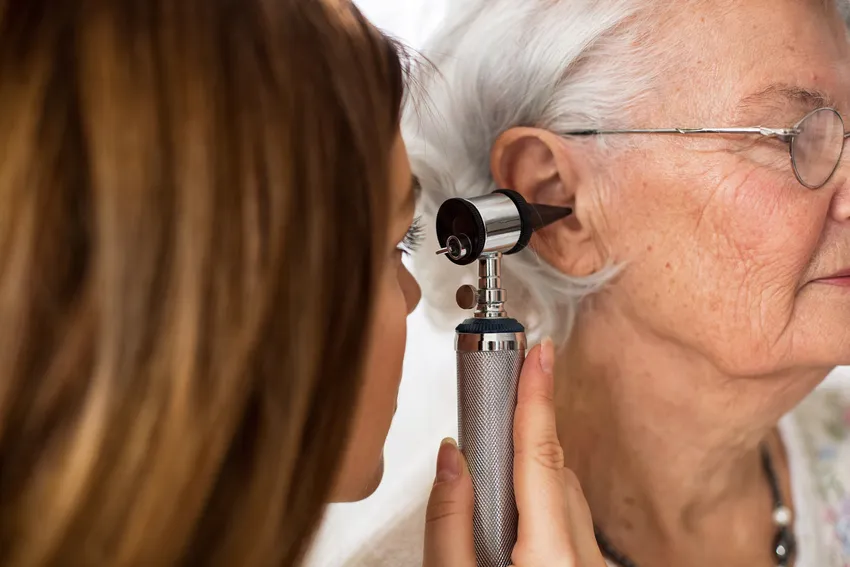
A trained clinician views the canal with an otoscope. They decide the safest method based on wax type, canal shape, and any medical history such as perforation or previous surgery. NICE clinical knowledge summary (2023) stresses that tailored care lowers complication rates.
How ear microsuction works
Microsuction uses a small sterile suction tip attached to a gentle medical vacuum. Under bright microscopic light the pharmacist removes wax while watching every movement on screen. The process is quiet and precise and avoids water.
What to expect at Chatham Pharmacy
You will complete a short medical questionnaire. The pharmacist then checks each ear and explains findings.
If the wax looks hard you may be given olive oil drops and asked to wait fifteen minutes to soften it. Most patients need only one sitting that lasts about twenty minutes.
Safety standards we follow
All equipment is single use or sterilised between patients. The vacuum pressure is calibrated daily. Clinicians wear gloves, mask, and eye protection for every procedure. Procedures align with Public Health England infection control guidance.
Benefits you feel straight away
Many patients report clearer hearing and lighter balance after the wax comes out. Speech sounds crisper and hum recedes. Better hearing can improve confidence and reduce fatigue during conversation.
Serving the Medway community
Chatham Pharmacy has provided NHS and private services for neighbours in Gillingham, Rochester, Rainham and Strood for more than ten years. Our ear care team receives continual training and holds indemnity cover. Parking and step free access make visits simple.
Is syringing still used
Water irrigation still helps some people but it is now secondary. NICE guidance (2023) advises microsuction as first choice if equipment and skills are available because the risk of infection and dizziness is lower.
Preparing for your visit
Soften wax with pharmacy grade olive oil twice daily for two days. Do not insert cotton buds. Bring current medicines and any hearing aid notes. Arrive ten minutes before slot time to allow paperwork.
Aftercare advice
Keep ears dry for twenty four hours. Use a swimming cap if you plan to swim. Return sooner if pain or discharge appears. Routine ear checks every six to twelve months help maintain comfort.
Looking after your ears day to day
- Limit headphone volumes
- Take breaks from in ear devices
- Dry ears gently with a towel after showers
- Use ear plugs in noisy or dusty places
- Book professional review if hearing changes suddenly
Following these habits can reduce future blockages according to ENT UK advice (2025).
Frequent questions
Does microsuction hurt?
Most people feel only mild pulling. Discomfort scores average two out of ten in clinic surveys.
Can children have the service?
We see patients aged twelve and above with parental consent. Younger children are referred to community ENT clinics.
Will wax grow back?
Wax keeps forming but gentle care and periodic checks stop heavy build up.
Weather factors
Winter winds can thicken wax, while summer swims introduce water that swells it. Seasonal checks help stop sudden blockages during holidays.
Ready for clearer hearing
If you live in Medway and feel blocked ears are holding you back, help is nearby. Book an appointment, visit the pharmacy, or call for advice today. ✅
Ready to book an appointment?
Same-week availability for most services. Book online or call us.