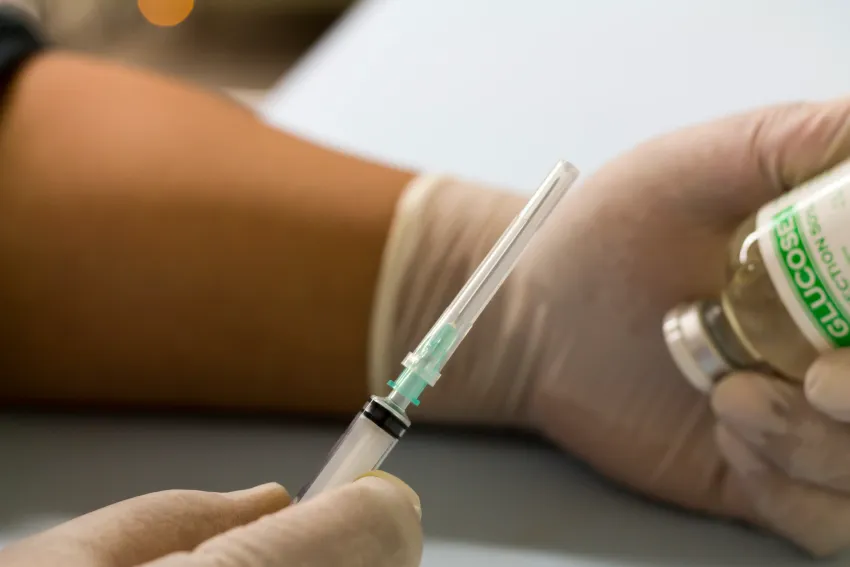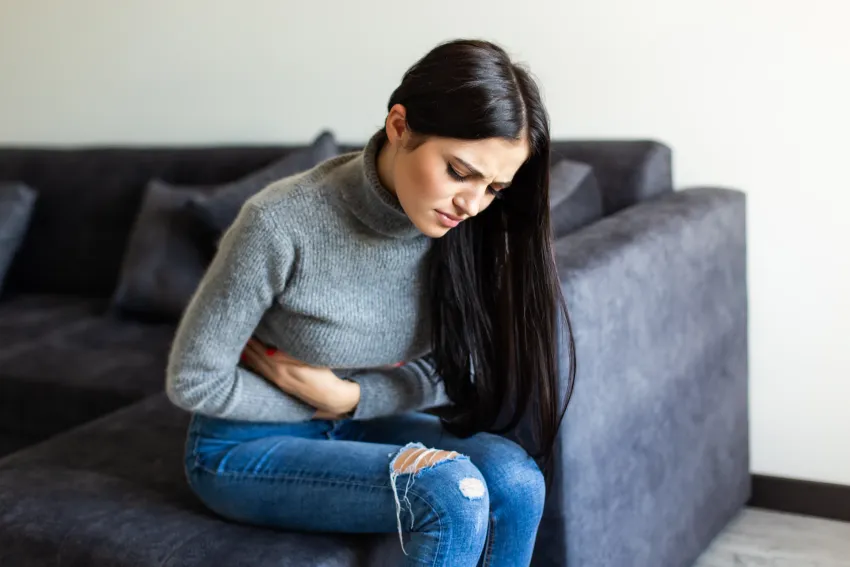
Travellers' diarrhoea is the most common illness for those traveling abroad. It can affect up to 50% of visitors in high-risk areas. The good news: most cases are preventable with the right food choices, hygiene habits, and preparation before you fly.
This guide covers the destinations, the causes, what to pack, and when to see a travel clinic.
What Is a Traveler's Diarrhoea?
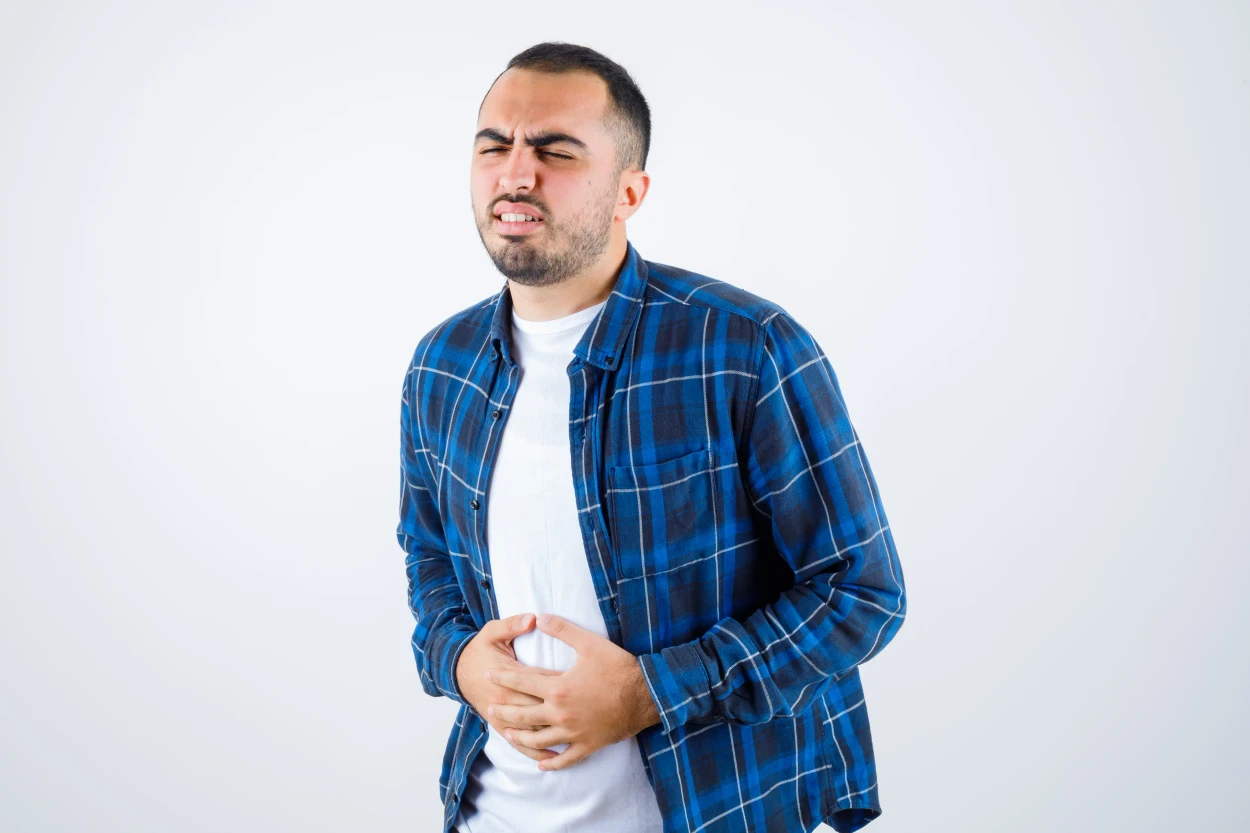
Travellers' diarrhoea (TD) is a digestive illness. You usually get it while travelling, often within the first two weeks of your trip. It happens when you consume food or water contaminated with bacteria, viruses, or parasites that your gut has no prior exposure to.
Your digestive system at home is well-adjusted to the local microbial environment. Put it somewhere new and unfamiliar, and the bacteria common in that region can overwhelm your gut defences quickly. That is why even short trips to certain destinations can leave you unwell.
What Are the Symptoms of Traveller's Diarrhoea?
Symptoms typically appear within 6 to 72 hours of exposure and can range from mild to bothersome. Watch for:
Three or more loose or watery stools within 24 hours
Stomach cramps and bloating
Nausea, with or without vomiting
Urgency to use the toilet (often with little warning)
Mild fever, usually below 38°C
Loss of appetite
General fatigue and feeling unwell
Most cases are self-limiting and clear up within a few days without treatment. However, symptoms that persist beyond that window or that include blood or high fever need medical attention.
What Causes Traveller's Diarrhoea?

Bacteria cause the vast majority of cases, somewhere between 80% and 90% by most estimates. Enterotoxigenic Escherichia coli (ETEC) is the most common cause, especially in Asia, Latin America, and Africa.
Viruses, mainly norovirus, make up a large part of infections. This is especially true on cruise ships, where close quarters help the spread. Rotavirus is mainly a risk for young children. Parasites like Giardia lamblia and Cryptosporidium are less common. They tend to cause prolonged illness that does not resolve on its own.
The route of infection is almost always the same: contaminated food or water reaches your mouth. Unwashed hands, contaminated surfaces, and kitchen hygiene failures are the transmission points.
High-Risk Destinations for Traveller's Diarrhoea
Risk varies considerably by geography. The following groupings reflect data from travel medicine research and are a useful planning tool, not a guarantee.
High-risk regions
High-risk regions include most of sub-Saharan Africa, South and Southeast Asia (India, Pakistan, Thailand, Vietnam, Cambodia), Central America, Mexico, and parts of the Middle East. Travellers to these areas face a 20 to 50% chance of developing TD on any given trip.
Intermediate-risk regions
Intermediate-risk regions include parts of Southern and Eastern Europe, Turkey, Morocco, some Caribbean islands, and China. Risk here is real but lower than the highest-risk group.
Lower-risk destinations
Lower-risk destinations include Western Europe, the United States, Canada, Australia, New Zealand, and Japan. These areas have robust water treatment and food safety infrastructure, though no destination is completely risk-free.
Factors That Increase Your Risk While Travelling
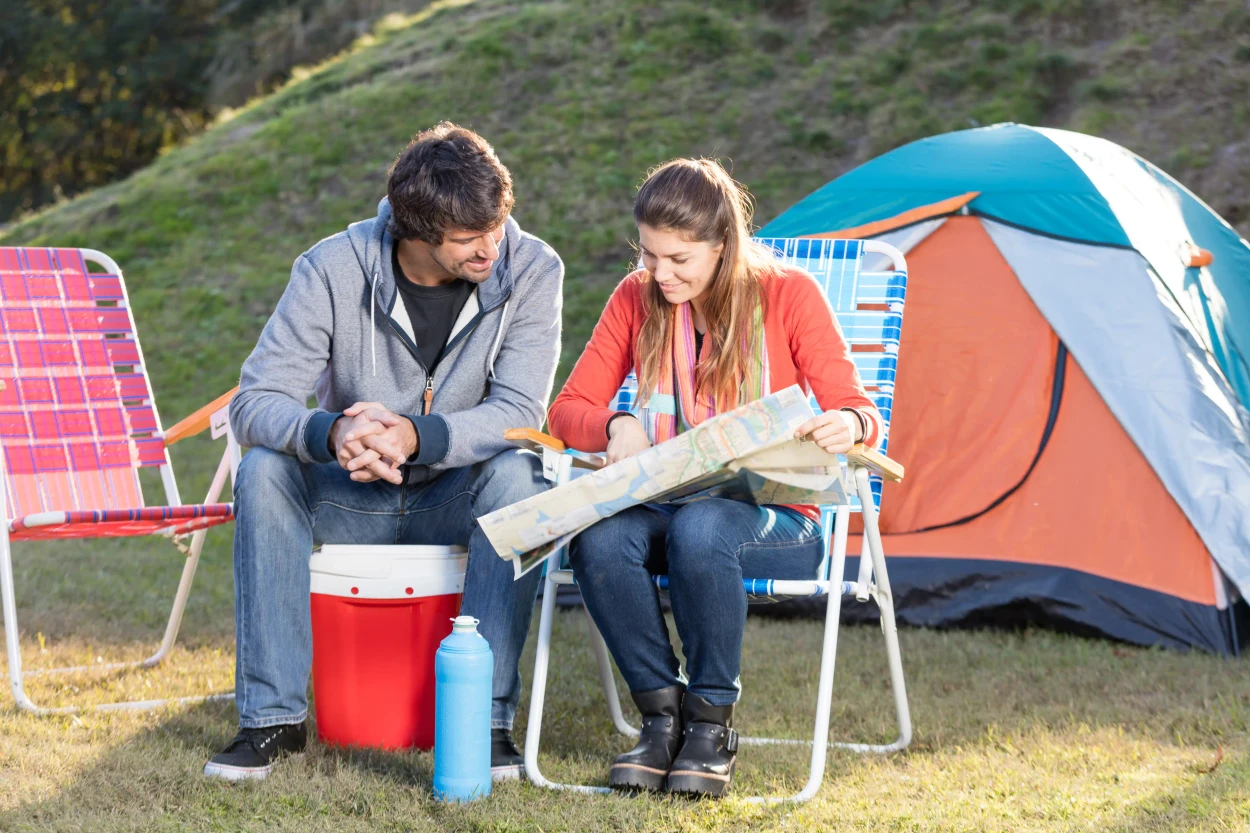
How you travel matters as much as where you go. Budget backpacking, camping, and long overland routes in rural areas expose you to more experiences than staying at a city hotel.
Eating street food, visiting local markets, or dining at small roadside stalls raises risk further. These settings often have limited refrigeration and shared cooking surfaces. They also prepare large amounts of food in tough conditions. That does not mean you should avoid them entirely, but you need to be selective.
Adventure travel, hiking, and drinking from natural water sources add another layer of risk. Even visually clear stream water can carry Giardia.
What Are the Risk Factors for travellers' diarrhoea?
Some people are more likely to get sick regardless of their destination or travel style. People with weak immune systems, due to a medical condition or immunosuppressant drugs, have a higher risk of getting TD. They may also have a more severe experience.
Taking medicines that reduce stomach acid raises your risk. This includes proton pump inhibitors such as omeprazole and lansoprazole, H2 blockers such as famotidine, and regular antacids. Stomach acid helps protect your body from swallowed bacteria. If there’s less acid, more bacteria can survive.
People with inflammatory bowel disease, irritable bowel syndrome, or other gut issues often face more severe symptoms. They also take longer to recover. Younger travellers and first-time visitors to high-risk areas often get sick more. This happens partly because they have less prior exposure and partly due to riskier travel habits.
Food Safety Tips to Prevent travellers' diarrhoea
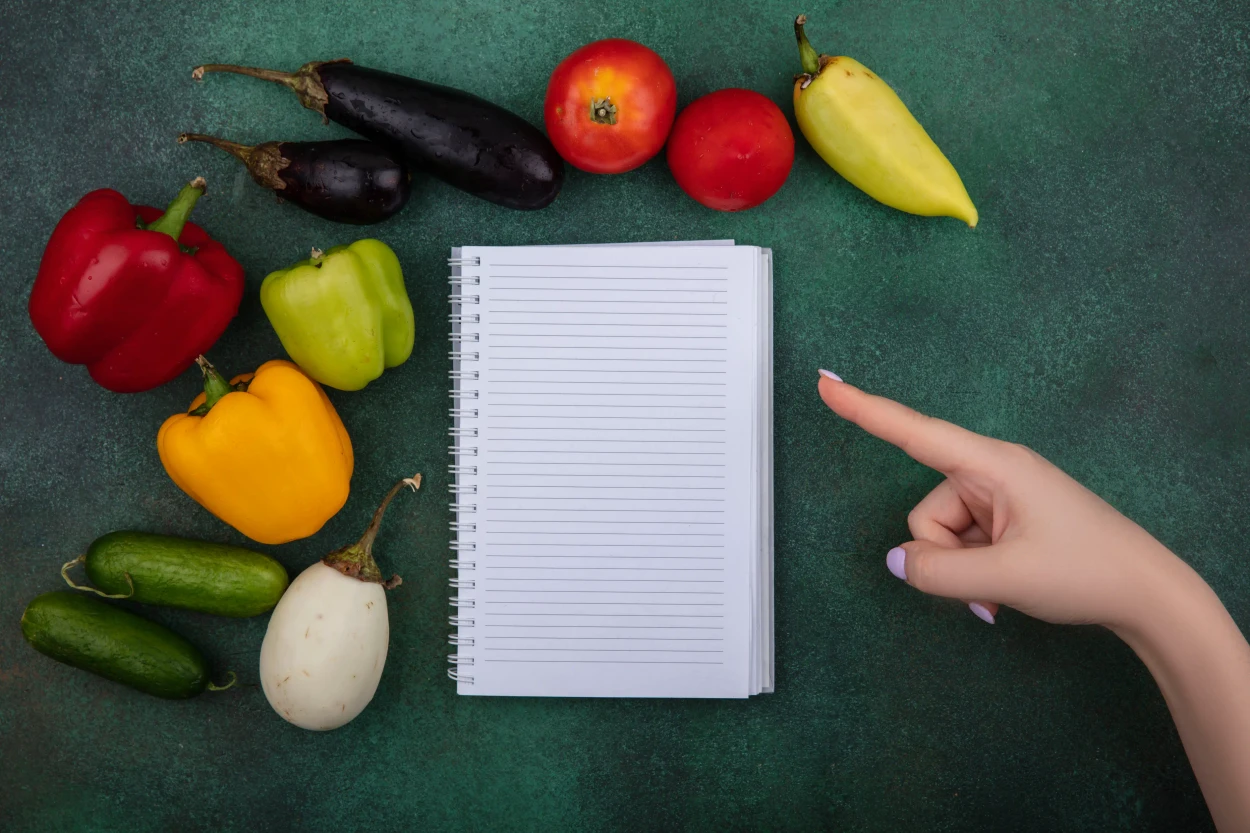
Foods to Avoid
The standard rule in travel medicine is simple: boil it, cook it, peel it, or forget it. It has been repeated for decades because it works.
Avoid raw salads, pre-cut fruit, and any vegetable that has been washed in tap water. Unpasteurised dairy products, including milk, cheese, and yoghurt sold at local stalls, carry a real risk. Undercooked meat, shellfish, and eggs are particularly dangerous in high-risk regions.
Food that has been sitting under a heat lamp for an unknown length of time, served by multiple hands, and repeatedly uncovered is high-risk. Avoid it unless turnover is visibly fast.
Foods That Are Generally Safe to Eat
Piping hot meals cooked to order in front of you are your safest option. The heat kills most pathogens, and food cooked fresh has had no time to accumulate bacteria at room temperature.
Thick-skinned fruits you peel yourself, like bananas, oranges, and mangoes, are generally safe. The flesh inside has not been exposed to surface contamination. Dry snacks, factory-sealed foods, and canned goods are safe bets when fresh options aren't clear.
Bread, rice, and boiled foods are low-risk. Hot soups and stews are usually fine as long as they arrive genuinely steaming rather than just warm.
Choosing Safe Restaurants and Street Food
The best sign of a safe food stall is a queue of locals. High turnover means food is cooked and sold quickly, leaving little time for bacterial growth. A stall that is packed at lunchtime is far safer than an empty one.
Watch where your food is cooked. If it goes on the grill or into the wok right in front of you, that is a good sign. If the vendor reaches into a container and puts pre-cooked food on a plate without reheating, be more cautious.
Trust your instincts on cleanliness. If the preparation area looks visibly dirty, the utensils are unwashed, or raw and cooked foods are handled together without separation, walk away.
Water and Beverage Safety
Tap water is off the table in high-risk destinations, without exception. This includes water used for brushing teeth, rinsing your mouth, and washing fruit. A 30-second toothbrushing session with tap water is enough to cause illness in some cases.
Ice is almost always made from local tap water. Assume it is unsafe unless you are at an established international hotel that clearly filters or purifies its ice supply. A chilled drink is not worth three days in the bathroom.
Safe choices are factory-sealed bottled water (make sure the seal is intact), hot tea or coffee made with boiled water, and canned or bottled fizzy drinks. Fruit juice from sealed cartons is usually fine. Fresh-squeezed juice from a street stall is not.
Hygiene Habits for the Road
Hand hygiene is the single most underrated prevention measure. Wash hands with soap and water for at least 20 seconds before eating and after using the toilet. In places where soap and water are not reliably available, use a hand sanitiser with at least 60% alcohol.
Avoid touching your face, eyes, and mouth between handwashes. It sounds obvious, but most people do it constantly without noticing. This is one of the main ways pathogens from contaminated surfaces reach your digestive system.
Carry your own hand sanitiser, as public toilets in high-risk regions rarely stock soap reliably. Keep it in your bag or pocket so it is accessible before every meal, snack, or street food purchase.
What to Pack: Your Preventative Tool Kit
A well-prepared travel health kit goes a long way. Here is what to bring and why:
Item | Purpose | |
Oral rehydration salts (ORS) | Replaces fluids and electrolytes lost to diarrhoea faster than water alone | |
Loperamide (Imodium) | Slows gut motility; useful for managing symptoms on long journeys, not for infectious diarrhoea with fever or blood | |
Dioralyte sachets | Ready-made ORS; easier to dissolve than mixing your own | |
Antibiotics (prescribed) | Standby course carried in case symptoms turn severe. Not available on the NHS for prevention, so supplied privately through a travel clinic or pharmacy after an assessment. | |
Hand sanitiser (60%+ alcohol) | For situations where soap and water are unavailable | |
Water purification tablets | For areas where bottled water is unavailable or unreliable | |
Travel probiotic | Evidence is limited but some strains (Lactobacillus rhamnosus GG, Saccharomyces boulardii) show modest prevention benefit | |
Thermometer | To monitor fever and help decide when to seek medical care |
Visit your local travel clinic or pharmacy 6 to 8 weeks before you leave. Discuss if a prescription antibiotic is right for your trip.
What to Do If You Get travelers' diarrhoea
Stay hydrated. This is the priority above everything else. Diarrhoea leads to quick loss of fluids and electrolytes. This loss can cause dehydration, which makes people very sick.
Drink oral rehydration solution, not just plain water, as you need to replace salt and glucose alongside fluids. Mix rehydration salts with bottled or boiled water, never tap water. This matters more when you are already ill, not less.
If you were given a standby antibiotic before you travelled, this is the point to use it. The course is one tablet daily for three days, taken with food. Take it only if symptoms are severe: blood or mucus in your stools, vomiting, fever, severe abdominal pain, or symptoms bad enough to stop you doing anything.
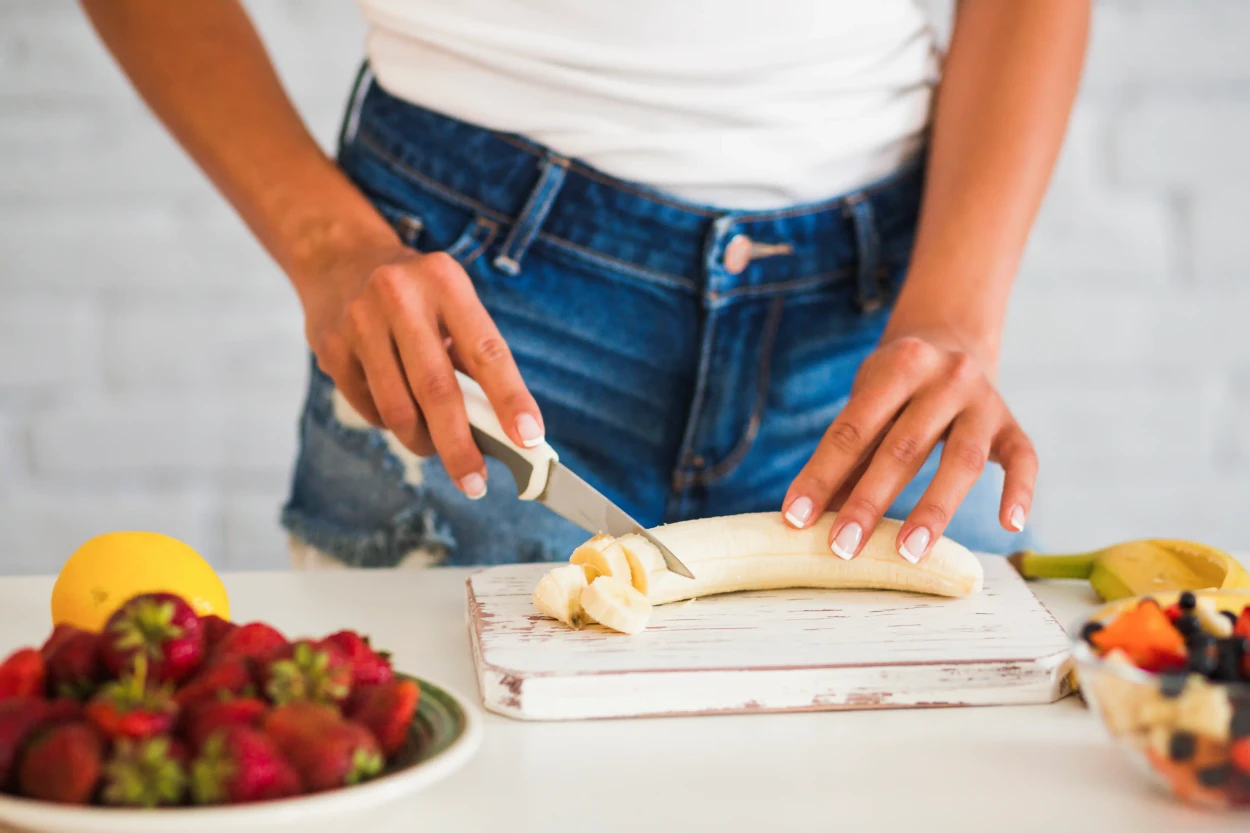
Eat light foods as tolerated. Plain rice, dry toast, bananas, and boiled potatoes are easy on the gut. Avoid dairy, fatty foods, caffeine, and alcohol until symptoms have fully cleared.
Loperamide (Imodium) can reduce the frequency of stools and is useful if you need to travel or cannot access a toilet easily. Do not use it if you have a fever or bloody stools. These signs suggest a bacterial infection that needs to run its course or be treated with antibiotics.
Rest where you can. Most cases resolve on their own with good fluid intake and light eating.
When Should You Seek Medical Care?

Most cases of TD do not need a doctor. But some do, and knowing when to act is as important as knowing how to prevent it. Seek medical attention if you experience:
Blood or mucus in your stools
A fever of 38°C or above
Signs of dehydration (extreme thirst, no urination for 8 hours, dizziness, sunken eyes, or dry mouth)
Vomiting so severe you cannot keep fluids down
Symptoms that have not improved after three days
Symptoms in a child under 2, an elderly traveller, or someone who is immunocompromised
You are pregnant
In these situations, you may need stool tests to identify the cause and antibiotics or other treatment depending on the pathogen. Do not delay seeking care in a foreign country; most destinations with significant tourist traffic have clinics familiar with TD and its complications.
Frequently Asked Questions
Conclusion
Travellers' diarrhoea is common, but it is not inevitable. The majority of cases come down to contaminated food and water.
Stick to hot, freshly cooked food. Avoid tap water in every form, including ice. Wash your hands before you eat, every time. Pack oral rehydration salts before you leave.
If you're going to a remote area far from medical care, talk to a travel clinic pharmacist. They can help you decide if a standby antibiotic is a good idea for your trip. Standby means you carry it and only take it if symptoms turn severe. Antibiotics are not taken as a preventative, and for most trips they are not needed at all.

Ready to book an appointment?
Same-week availability for most services. Book online or call us.