Older adults need travel vaccinations just as much as younger travelers, often more so. As we get older, our immune system isn’t as responsive. This means some vaccines may not work as well, and certain travel illnesses can lead to more serious complications.
Read on for what NHS travel health guidelines and current clinical evidence actually recommend for this age group.
Why Travel Vaccinations Are Different for Older Adults
There is a clinical term for what happens to the immune system as we age: immunosenescence. In plain terms, the body's ability to recognise and fight new threats slows down. Antibody responses to vaccines become weaker, and the protection that results may not last as long as it does in a 30-year-old.
This does not mean vaccines stop working. It means the timing and selection of jabs matters more. A disease that gives a younger person a rough week in bed can put an older traveller in hospital abroad.
Planning travel health earlier and being thorough about which vaccines are up to date is not overcaution. It is straightforward risk management.
Routine Vaccines to Update Before You Board
Before thinking about destination-specific jabs, check whether your routine UK vaccinations are current. Many adults over 60 have gaps they are not aware of.
Influenza (Flu) Vaccine
The NHS offers an annual flu jab free to everyone aged 65 and over. If you travel during flu season, getting vaccinated is very important. This applies whether you’re in the UK during winter or heading to the southern hemisphere in their winter months.
Flu in older adults carries a much higher risk of pneumonia and hospital admission than in younger people. Book this well before departure, not the week before you leave.
COVID-19 Vaccine and Boosters
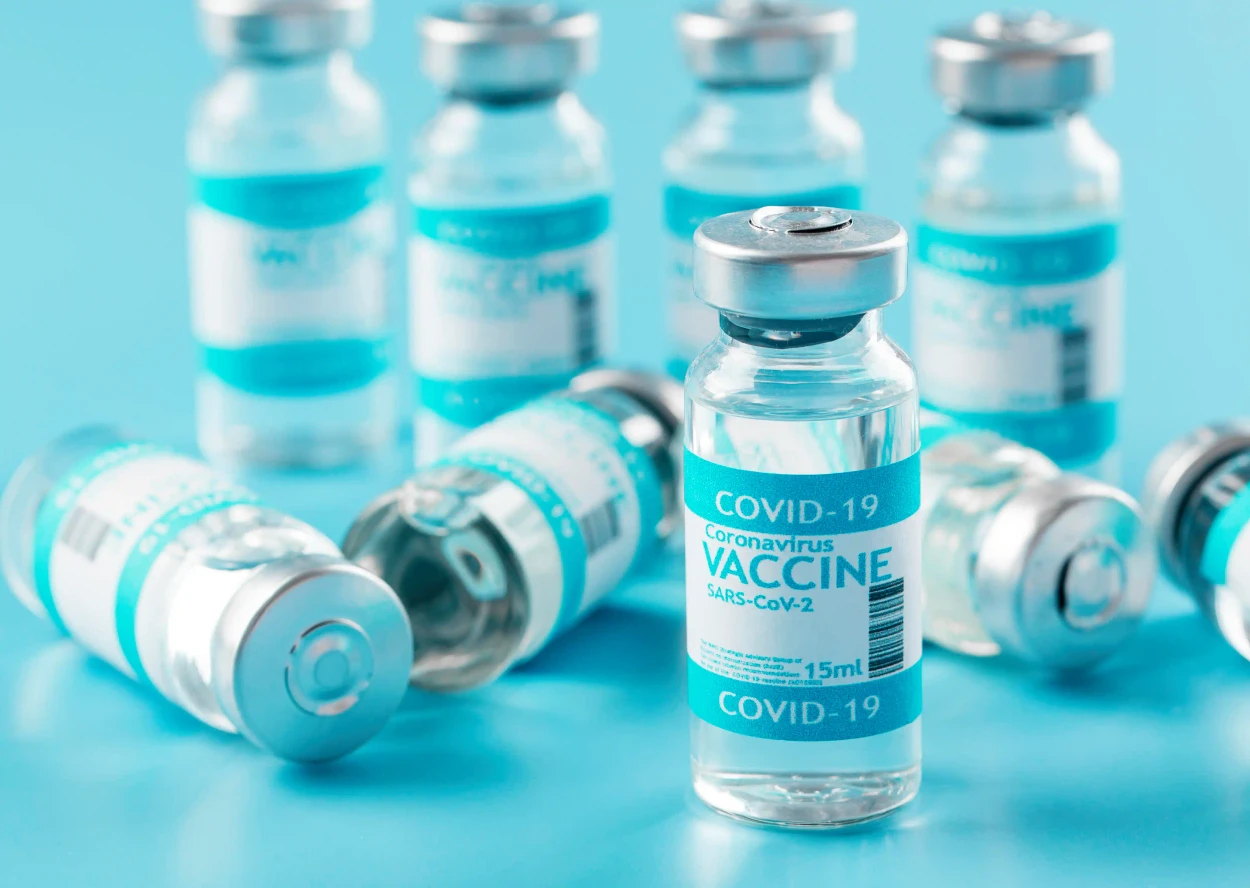
NHS COVID-19 vaccination is now offered to adults aged 75 and over, residents of care homes for older adults, and people aged six months and over who are immunosuppressed. Adults aged 65 to 74 and most clinical risk groups are no longer eligible.
Pneumococcal Vaccine
This jab protects against pneumococcal bacteria. These bacteria are a main cause of pneumonia, meningitis, and bloodstream infections. The NHS offers it routinely to adults aged 65 and over, usually as a one-off dose.
If you have never had it, ask your GP or pharmacist before you travel. It is not something most people think to check.
Tetanus, Diphtheria, and Polio
Many adults over 60 had their last tetanus booster decades ago. This vaccine uses Revaxis (Td/IPV) and explicitly does NOT cover pertussis. Polio cover matters for travel to parts of Africa and Asia. If you have had a booster within the last five years, you will not need another.
Tetanus risk is real in places with poor wound care. You might also be exposed if you hike or work with animals. A Tdap booster covers all three infections in a single injection.
Shingles (Herpes Zoster) Vaccine
Shingles happens when the chickenpox virus wakes up. This virus stays inactive in nerve tissue after a childhood infection. The risk increases with age, and an episode of shingles can mean weeks of debilitating nerve pain.
The NHS provides the two-dose Shingrix course to everyone turning 65 or 70. It’s also available to those aged 70 to 79 who haven’t received it yet. You can get it until your 80th birthday. Adults with severely weakened immune systems are eligible earlier. The second dose comes six to twelve months after the first.
Destination-Specific Travel Vaccines for Older Adults

Which jabs you need on top of your routine vaccinations depends entirely on where you are going and what you will be doing there. Here are the vaccines usually recommended for older travelers going to higher-risk places.
Hepatitis A and Hepatitis B Vaccines
Hepatitis A spreads through contaminated food and water, making it a risk in parts of Africa, Asia, the Middle East, and Central and South America. A single dose protects for around a year. A booster at six to twelve months extends protection for up to 25 years.
Hepatitis B spreads through blood and bodily fluids. This is important if you need medical care abroad or work in healthcare or volunteering. Combined Hepatitis A and B vaccines are available and are often the most practical option.
Typhoid Vaccine
Typhoid fever is caused by contaminated food and water in countries with poor sanitation. South Asia, including India, Pakistan, and Bangladesh, carries some of the highest typhoid rates globally.
The injectable form is generally preferred and provides protection for around three years. The oral capsules are a live vaccine, so they cannot be given to anyone whose immune system is suppressed. They also cannot be taken within three days of antibiotics or antimalarial tablets.
Rabies Vaccine
Rabies is nearly always deadly once symptoms show. There’s no cure after exposure unless you get immediate treatment right after a bite. The vaccine is given as two doses, one week apart.
In remote destinations where hospital access is hours away, this matters enormously. The rabies course takes just over a week, with doses on day zero and day seven.
Japanese Encephalitis Vaccine
Mosquitoes carry this viral infection. It's a risk in rural and farming areas of Asia, especially during and after the monsoon season. Most infections are mild or asymptomatic, but serious neurological disease is more common in older adults when it does occur.
If your trip involves rural travel in endemic areas of Asia, speak to a travel health clinic about whether this vaccine is appropriate. The course is two doses given 28 days apart, so this one needs planning at least six weeks ahead.
Cholera Vaccine
Cholera is a risk in areas with poor sanitation, often following natural disasters or in refugee settings. For most tourists, the risk is low, but travellers doing humanitarian work or visiting high-risk regions should consider it.
The vaccine is an oral preparation taken as two doses. Nothing should be eaten or drunk, and no other oral medicines taken, for one hour before and one hour after each dose.
Meningococcal Vaccine
Meningococcal disease is a risk in the "meningitis belt" of sub-Saharan Africa, particularly during the dry season. Saudi Arabia requires proof of meningococcal vaccination for Hajj and Umrah pilgrims.
There are several strains, and different vaccines cover different groups. A travel health specialist will advise on the right type based on your destination.
The Yellow Fever Dilemma for Travelers Over 60

This section requires careful reading if you are planning to visit a Yellow Fever-endemic country.
Yellow Fever is a live attenuated vaccine, meaning it contains a weakened but active form of the virus. For the vast majority of people, this is safe and produces strong, long-lasting immunity. For adults over 60, the risk of a serious reaction called Yellow Fever Vaccine-Associated Viscerotropic Disease (YEL-AVD) is higher than for younger travelers. The Yellow Fever vaccine cannot be given to anyone with a history of thymus disorder. This includes conditions like myasthenia gravis or thymoma, as well as those who have had their thymus gland removed for any reason. This includes removal during heart surgery. If you have had cardiac surgery, request your operation notes.
Reported rates rise with age. UK travel health guidance shows a risk of about 1.2 cases per 100,000 doses for people aged 60 and older. This risk increases for those 70 and over. In contrast, the risk across all ages is roughly 0.3 per 100,000. If you are 60 or over and travelling to an area where WHO does not generally recommend Yellow Fever vaccination, the vaccine cannot be given. WHO recommends vaccination only when the risk of catching Yellow Fever is high and unavoidable.
If vaccination isn't right for you, a registered Yellow Fever Vaccination Centre can issue an exemption letter. Acceptance is decided by the country you are entering.
Speak to your GP or a travel health clinic well before travel. Do not attempt to travel to Yellow Fever-endemic regions without either the vaccine or a formal waiver in place.
Medical Conditions That Can Affect Travel Vaccine Recommendations

Several common conditions in older adults change which vaccines can be given safely, and how well they are likely to work.
Diabetes and Travel Vaccinations
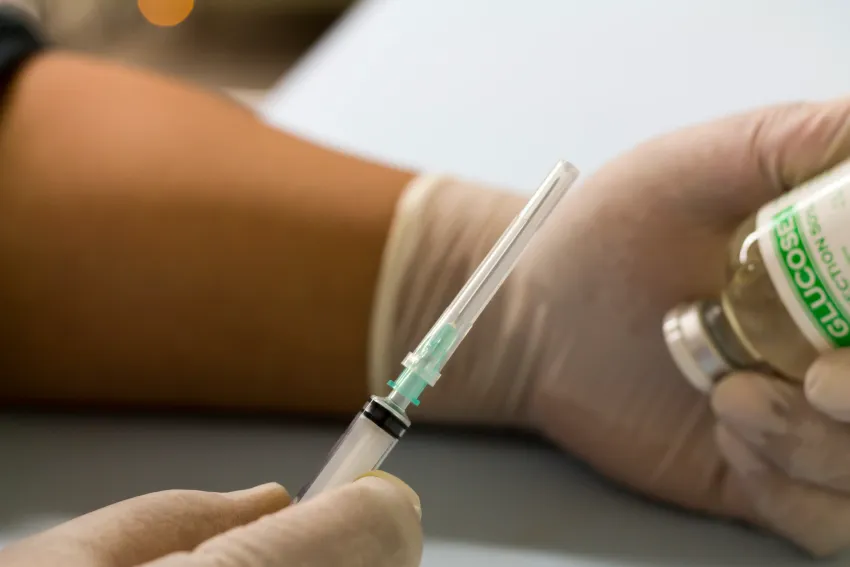
People with diabetes usually react positively to vaccines. However, infections or the stress from vaccination can temporarily affect blood glucose control. People with well-controlled diabetes can receive all vaccines. The flu and pneumococcal vaccines are highly recommended for them.
If your diabetes isn't well controlled, talk to your GP or diabetologist before you travel. Getting sick while travelling can be riskier.
Heart Disease and Vaccination Considerations
Cardiovascular disease does not stop vaccination. The flu vaccine can reduce heart problems in those with heart disease. Being up to date with flu and pneumococcal jabs is recommended by the NHS for anyone with heart disease, regardless of travel.
If you are on anticoagulants such as warfarin, intramuscular injections need to be given with care. Your nurse or pharmacist will apply firm pressure to the injection site and may use a finer gauge needle.
Chronic Lung Diseases (COPD and Asthma)
Respiratory infections that many adults recover from in two weeks can lead to serious COPD flare-ups or asthma attacks. The flu, COVID-19, and pneumococcal vaccines are all particularly important for this group.
Traveling to areas with high air pollution, extreme heat, or altitudes above 2,500 meters might require extra medical planning. Also, you may need vaccinations. Speak to your respiratory team if this applies.
Cancer Treatment and Immunocompromised Travellers
Live vaccines like Yellow Fever, MMR, and the oral typhoid vaccine are usually not safe during active cancer treatment. This is especially true for chemotherapy and radiotherapy. The immune system is suppressed, meaning a live vaccine may cause infection rather than protection.
Inactivated vaccines, such as flu and typhoid injection, are generally safe but may be less effective during treatment. Travel health choices during or right after cancer treatment should always include your oncologist.
Autoimmune Disorders and Immunosuppressive Medications
Conditions such as rheumatoid arthritis, inflammatory bowel disease, and lupus are often treated with immunosuppressive drugs. These include methotrexate, biologics, and high-dose corticosteroids. These drugs affect the immune system and change which vaccines are safe to give.
Conditions like rheumatoid arthritis, inflammatory bowel disease, and lupus are often treated with immunosuppressive drugs. These include methotrexate, biologics, and high-dose corticosteroids. These drugs affect the immune system and change which vaccines are safe to give. Discuss this with your specialist before booking any travel health appointments.
Beyond Vaccines: Essential Travel Health Tips
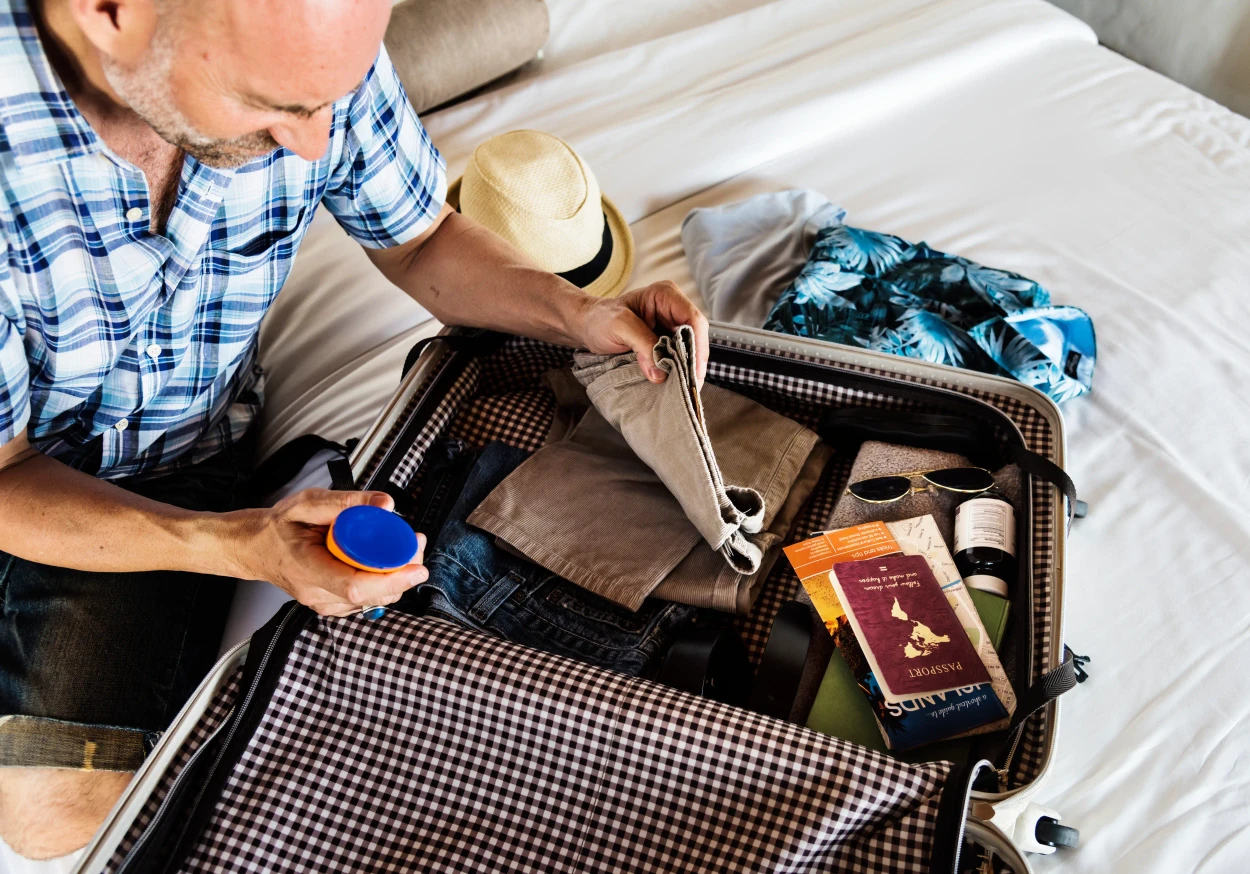
Vaccines are only part of the picture. Older travellers benefit from thinking through a few other areas before departure.
Medications
Pack more than you think you need, at least two weeks' extra supply in your hand luggage. Carry a written list of your prescriptions including the generic drug names, not just the brand names, since these vary by country. Some prescription medications are controlled substances in certain destinations.
Travel insurance
Standard travel insurance for older adults needs to include medical cover, not just trip cancellation. The NHS will not cover you abroad. Treatment for a cardiac event or serious infection can run to tens of thousands of pounds in the United States or parts of Southeast Asia. Declare all pre-existing conditions honestly; failing to do so can invalidate your policy.
Mosquito protection
Repellents containing DEET at 50% concentration or Icaridin are the most effective. Use them on exposed skin and clothing from dusk, sleep under a net in high-risk areas, and wear long sleeves and trousers in the evening. Older adults who take antihistamines or anticoagulants should note that mosquito bites can be harder to manage if infection occurs.
Deep vein thrombosis (DVT) on long flights
The risk of DVT increases with age, dehydration, and prolonged sitting. Wear compression socks on flights over four hours, walk the aisle every couple of hours, and keep well hydrated. Talk to your GP if you've had clots or take anticoagulants. They can tell you if you need extra precautions before a long flight.
When Should Older Adults Get Vaccinated Before a Trip?
The short answer is earlier than most people assume. Many travel vaccines require multiple doses spaced weeks apart to be effective, and your immune system needs time to build a response.
As a general guide, aim to book your travel health consultation at least six to eight weeks before departure. For complex itineraries or trips to high-risk destinations, eight to twelve weeks is more sensible.
Some vaccines such as rabies require two doses over a minimum of seven days. The Hepatitis B course lasts six months on the standard schedule. However, you can choose an accelerated schedule if needed. Yellow Fever offers protection in ten days after one dose. However, older adults should consult earlier due to extra considerations.
If you have left things late, do not skip the appointment. Some protection is always better than none, and a travel health nurse can advise on the most time-efficient schedule for what remains.
Vaccine Safety and Possible Side Effects in Older Adults
Most travel vaccines are well tolerated, and serious reactions are rare. That said, older adults are more likely to notice certain side effects simply because the immune response is different.
Common reactions are soreness, redness, or mild swelling at the injection site. You might also have a low-grade fever within 24 to 48 hours after the shot. General fatigue is another possible reaction. These are signs the immune system is responding and usually resolve without any treatment.
Less common but important: live vaccines like Yellow Fever can sometimes cause a mild flu-like illness a few days after vaccination. This is usually self-limiting but should be reported to your GP if symptoms are severe or prolonged.
Seek medical advice promptly if you develop a high fever, breathing difficulties, swelling of the face or throat, or symptoms that feel disproportionate to what you were told to expect. These are rare but require assessment.
If you are on multiple medications, always inform the clinician administering the vaccine. Some interactions, particularly with immunosuppressants and anticoagulants, need to be accounted for.
Frequently Asked Questions
Conclusion
Get your vaccinations done six to eight weeks before you travel. Bring a full list of medications. This is the best thing you can do. Your local pharmacy can run through what you are due and advise on any destination-specific risks.
Older age is not a barrier to travel. Preparation is what makes the difference.

Ready to book an appointment?
Same-week availability for most services. Book online or call us.