No country will turn you away at the border for lacking a rabies certificate. But that does not mean you can skip the jab. Rabies is deadly once symptoms show. Getting treatment after exposure can be costly and hard to find. Sometimes, it might not even be available where you’re travelling.
This guide breaks down which countries carry the highest risk, who really needs to think about getting vaccinated, how the modern schedule works, and what it costs.
A travel clinic can help you assess your rabies risk and decide whether vaccination is right for your trip. Read to the end before you book that trek.
What Does Rabies Do to Humans?
Rabies attacks the central nervous system. After a bite or scratch from an infected animal, the virus travels along nerve pathways toward the brain. The incubation period can be anywhere from a few days to several months depending on where the bite is and how deep it goes.
Once symptoms appear, survival is almost impossible. There have been fewer than 20 documented cases of recovery worldwide. The disease causes anxiety, confusion, paralysis, then death, usually within days of symptom onset.
Globally, rabies kills around 59,000 people every year. About 99% of those deaths come from dog bites, mostly in Asia and Africa. Children are more affected because they often approach animals. They also tend not to report bites.
Required vs. Recommended: Understanding Travel Health Rules
Legal Entry Requirements
No country requires a rabies vaccination certificate for travellers to enter. You will not be asked for one at immigration. This is not the same as yellow fever. Yellow fever does need an International Certificate of Vaccination or Prophylaxis (ICVP) to enter some countries.
Medical Recommendations
The absence of a legal requirement does not mean the risk disappears. Travel clinics urge pre-exposure vaccination for a key reason: there’s no cure once rabies symptoms show up.
If you are bitten in a remote area, you may not be able to access post-exposure treatment in time. Post-exposure treatment requires multiple doses of rabies immunoglobulin and vaccine. This process lasts several weeks. That treatment is often unavailable locally and costs far more than the pre-travel vaccine ever would.
Pre-exposure vaccination doesn’t remove the need for post-exposure treatment after a bite. However, it makes the process simpler and gives you extra time to get medical care.
Who cannot have the vaccine?
Two brands are used in the UK, and they suit different people. One is grown in chick embryo cells, so it cannot be given to anyone with a severe egg allergy. The other contains latex in the syringe and is not suitable for anyone with phenylketonuria or a severe latex allergy. Neither can be given to anyone who has had a severe reaction to a previous rabies dose or to neomycin, or to anyone who is acutely unwell with a fever on the day. Tell us about allergies when you book so we can hold the right brand for you.
Top High-Risk Countries Where a Rabies Vaccine is Strongly Recommended
Risk is assessed using NaTHNaC country recommendations. This is the main source UK travel clinics use. WHO surveillance data also informs the assessments.
Asia

India carries the highest global burden of human rabies deaths. Street dogs are widespread across urban and rural areas alike. Monkeys at temples, such as those in Varanasi or Jaipur, are another common source of scratches on tourists. Thailand, Bali (Indonesia), Vietnam, Nepal, the Philippines, and Sri Lanka are all considered high risk. Bali in particular has had significant outbreaks since 2008. Monkeys at popular tourist sites regularly scratch or bite visitors.
Africa
Sub-Saharan Africa has a high risk. This includes Tanzania (and Zanzibar), Kenya, Ethiopia, South Africa, and West Africa. Zanzibar sees tourists frequently and has had ongoing dog-related transmission issues. The continent accounts for roughly 36% of global rabies deaths.
Central and South America

Mexico, Peru, Bolivia, Brazil, and most of Central America are all classified as endemic. Bolivia has one of the highest per-capita rates in the Americas. The risk here comes from dogs, bats, and other wildlife. Bat-related rabies is more prevalent in the Americas than elsewhere.
Eastern Europe and the Middle East

Rabies is active in wildlife in parts of Eastern Europe. This includes Ukraine, Russia, and the Baltic states, especially in foxes. The Middle East carries low-to-moderate risk depending on the country.
Countries That Are Rabies-Free
A small number of countries are officially recognised as free from terrestrial rabies. These include the UK, Ireland, Australia (where Australian bat lyssavirus has caused human deaths), New Zealand, Japan, Iceland, Barbados, and several Pacific island nations. Bats in some countries can carry specific types of lyssavirus, related to rabies. So, it's important to be cautious around bats, even at home.
Who Actually Needs the Rabies Vaccine?
The vaccine is not cheap, so it helps to be honest about your itinerary. Here is a practical breakdown.
Adventure and Outdoor Travellers
When you trek, cycle, trail run, or do any outdoor activity away from cities, the risk increases a lot. You are further from medical facilities, and the chance of an encounter with wildlife or a stray dog is higher. This group should treat pre-exposure vaccination as near-essential.
Rural and Remote Visitors
Spending time in villages, on farms, or in areas without quick access to hospitals is a clear risk factor. Even a brief stint in a rural part of India or Tanzania can expose you to dogs that have never been vaccinated. If the nearest city with a reliable hospital is more than a few hours away, the vaccine is worth having.
Families Travelling with Children
Children are statistically more likely to be bitten and less likely to tell an adult when it happens. A scratch from what looked like a friendly dog can go unreported for hours. For families going to places where rabies is common, health experts often suggest the rabies vaccine. Pregnancy and breastfeeding are cautions, not exclusions, requiring documented assessment.
Volunteers and Animal Workers
People who work with animals, such as in wildlife conservation, veterinary care, or rescue groups, face high exposure. Pre-exposure vaccination is essentially standard for this group. The same applies to long-stay expats in endemic countries.
The Pre-Exposure Rabies Vaccine Schedule and Costs
The Modern Schedule
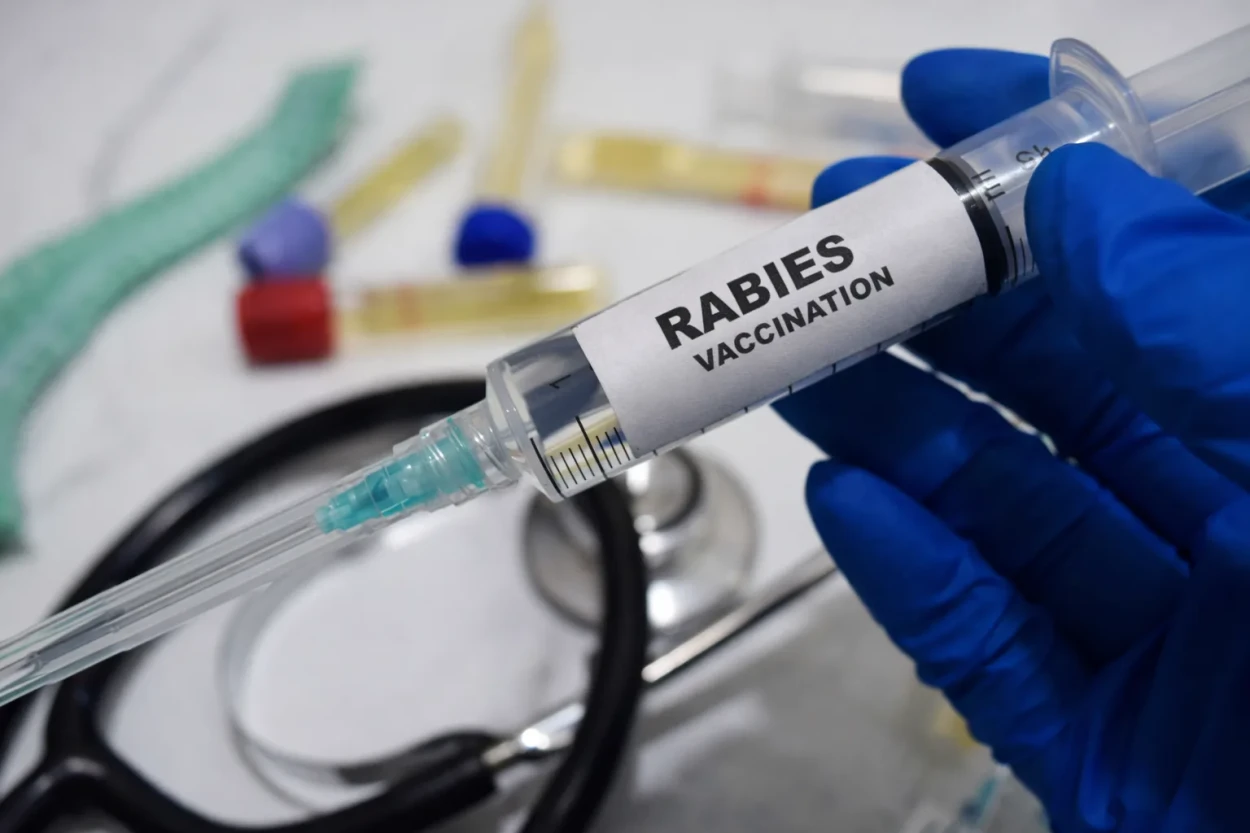
Most healthy travellers now receive two doses, on day 0 and day 7. Some clinics still follow a three-dose schedule. The UK is finalising guidance on the two-dose regimen, so approaches differ. If your immune system is weak due to medication, a health issue, or treatment like chemotherapy, you'll need three doses. After that, a blood test will confirm your response. Tell us about any immunosuppressive medication when you book, because it changes both the schedule and the lead time you need.
Timing Before Travel
You need to start at least two weeks before you depart, ideally a bit more. If you are on the two-dose schedule, your second dose should be complete at least a week before you leave. Leaving this until the last minute is a common mistake. Book your travel clinic appointment as soon as your flights are confirmed.
Cost Factor
In the UK, the rabies vaccine involves a cost per dose depending on the clinic and the brand used. That seems high, but think about this: if you need post-exposure rabies immunoglobulin, it can cost more than £1,000 for just one treatment. Medical evacuation from a remote location in Africa or Southeast Asia can run into the tens of thousands. The pre-travel vaccine is the cheaper option by a significant margin.
Travelling With Pets? Mandatory Rabies Requirements Apply
If you are flying with a dog or cat, the situation is entirely different. Many countries need proof of rabies vaccination for imported animals. This is a legal requirement, not just a suggestion.
The UK needs pets from most countries to have:
An up-to-date rabies vaccination
A microchip
A health certificate
Countries like the USA, Australia, and New Zealand have strict import rules. They require rabies vaccination records. Sometimes, they also need serological titre tests to confirm immunity levels.
If you’re taking your pet abroad, contact the veterinary authority in your destination country first. Processing times for pet health documentation can take weeks or months.
Why Choose Chatham Pharmacy for Your Rabies Vaccine?

At Chatham Pharmacy, our travel health team offers rabies pre-exposure vaccinations. You can book same-day or next-day appointments most weeks. You will speak with a qualified travel health professional. Chatham Pharmacy, 139 New Road, Chatham, Medway.
We stock the rabies vaccine directly, which means no delays waiting for orders. We also offer a full travel health consultation. This lets us review your entire itinerary, not just the main destination. We’ll ensure your vaccination schedule is all set before you go.
Frequently Asked Questions
Conclusion
Countries at high risk for rabies include areas in South Asia, Southeast Asia, sub-Saharan Africa, and parts of Latin America. No border official will ask you for a rabies certificate, but that is not the point. The disease is nearly always fatal once it sets in. Pre-exposure vaccination is the only real safety net, especially if you're far from good medical care.
If your trip includes rural spots, outdoor fun, time with animals, or places with many street dogs, it’s smart to book the vaccine. Begin the process at least two weeks before you leave. Talk to a travel health expert about your entire trip.

Ready to book an appointment?
Same-week availability for most services. Book online or call us.