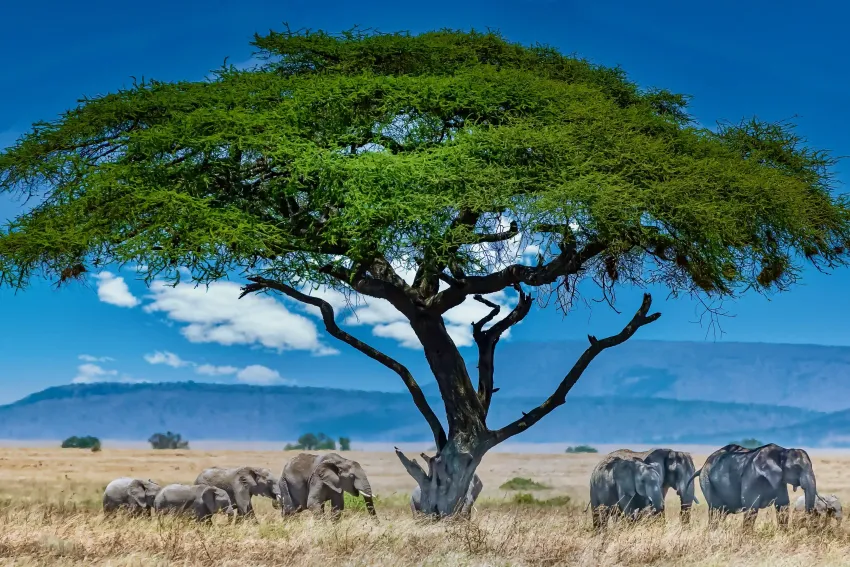
Yes, you need anti-malaria tablets for Tanzania. Malaria is present across most of the country, and the dominant strain is one of the most dangerous types globally. Whether you are heading to the Serengeti, Zanzibar, or climbing Kilimanjaro, your risk level will vary depending on your exact itinerary.
A travel clinic can assess your trip and recommend the right malaria prevention options. Read on to understand what applies specifically to your trip.
Is Malaria a Real Risk in Tanzania?
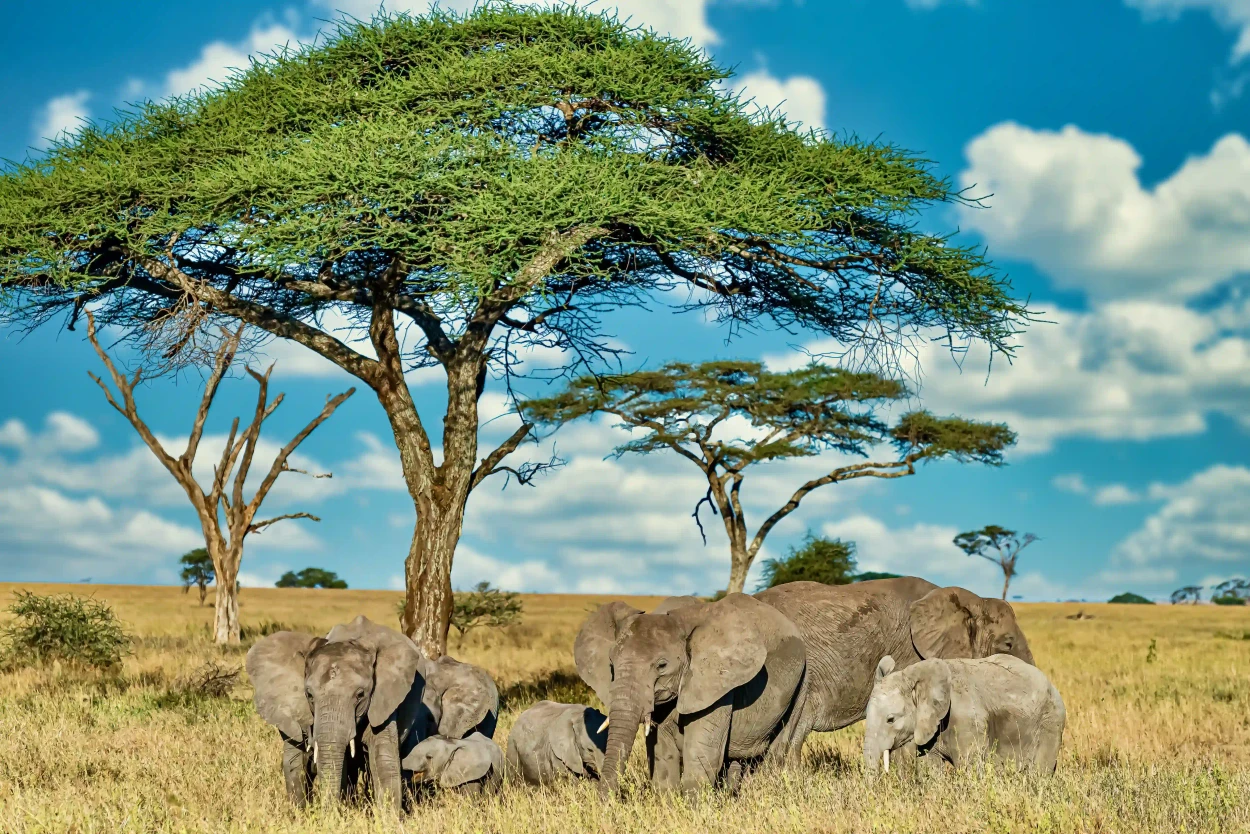
Tanzania has one of the highest malaria burdens in sub-Saharan Africa. The risk is present in all areas below 1,800 metres (5,900 feet). This includes most places that travellers go.
The parasite responsible is Plasmodium falciparum, the most severe strain of malaria. It moves fast. It can lead to organ failure within 24 to 48 hours after symptoms start. Also, it resists older drugs like chloroquine.
NaTHNaC, the UK's National Travel Health Network and Centre, labels Tanzania as a high-risk malaria area. They recommend prophylaxis for all travellers, no matter the trip type.
The 3 Best Anti-Malaria Tablets for Tanzania

Atovaquone/Proguanil (Malarone)
Malarone (1 adult tablet daily) is the top choice for short trips to Tanzania, especially for one-week safaris. It is started one to two days before you travel and only needs to continue for seven days after returning home. That short post-trip course makes it very convenient.
It is generally well tolerated, though it costs more than the alternatives. It is contraindicated in cases of severe renal impairment (CrCl < 30 mL/min) and during breastfeeding. Caution is required for patients taking warfarin due to potential interactions.
Doxycycline
Doxycycline (100 mg capsule daily) is effective and considerably cheaper than Malarone. It must be started one to two days before departure and continued for four full weeks after you return. Capsules should be swallowed with a full glass of water while sitting or standing upright. You should avoid lying down immediately after taking the dose. Wait two hours after taking doxycycline before eating dairy, antacids, or iron supplements.
Doxycycline is excluded for children under 12, pregnant women, and those who are breastfeeding. It can also interact with oral typhoid and cholera vaccines. Additionally, it causes significant photosensitivity, which is a consideration for trips to Zanzibar.
Mefloquine (Lariam)
Mefloquine (250 mg weekly) has the appeal of a once-weekly dose. It must be started two to three weeks before departure to build adequate protection and monitor for side effects.
There are firm exclusions for mefloquine. Do not take this if you have a history of depression, anxiety, psychosis, or other mental health issues. Also, avoid it if you have seizures of any kind. Other contraindications include severe hepatic impairment, a history of blackwater fever, and interactions with halofantrine.
Mainland Safari vs. Zanzibar Beach: How the Risk Is Different
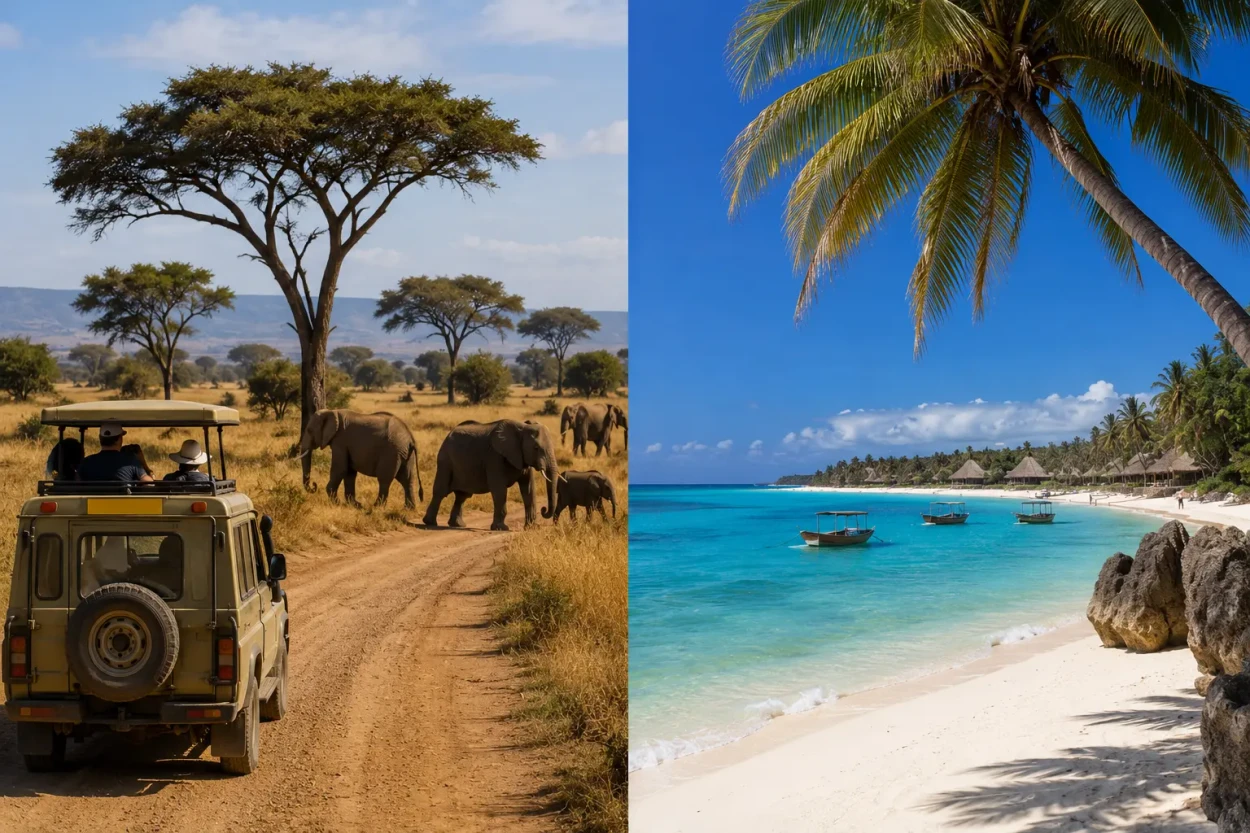
Mainland Tanzania
The risk on the mainland is high, particularly during and just after the two rainy seasons, which run from November to May. Malaria rates in some mainland areas reach seven to fourteen per cent during peak times. Anti-malarial medication is non-negotiable here.
Zanzibar
Zanzibar sits in a different position. A long-running eradication programme has greatly cut local transmission. Now, the prevalence is about one per cent. That is a meaningful difference compared to the mainland.
Current UK health guidance treats Zanzibar the same as mainland Tanzania. Prophylaxis is recommended because the risk is not zero, and the consequences of untreated infection are serious.
Do I Need to Take the Tablets if I'm Climbing Kilimanjaro?
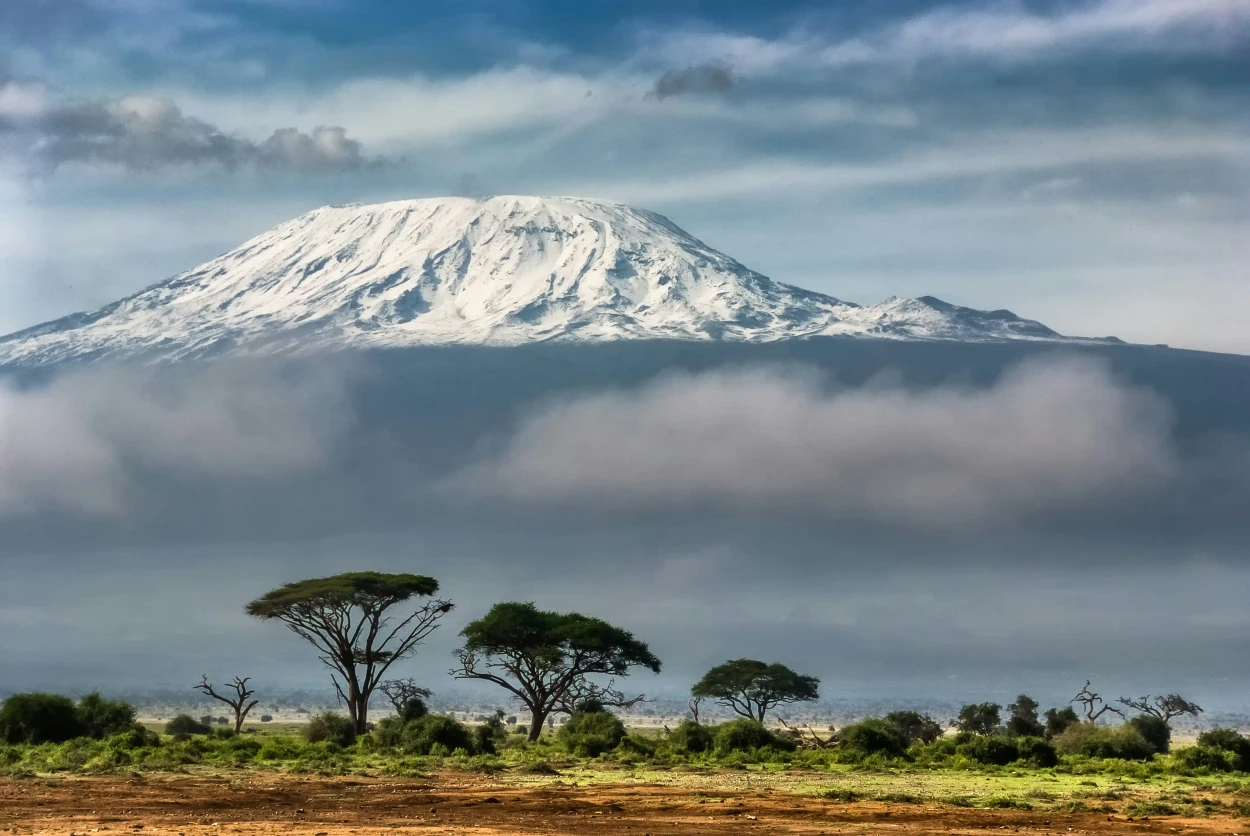
This is where altitude makes a difference. Malaria mosquitoes cannot survive above approximately 1,800 metres due to temperature constraints. Climbers on the upper routes of Kilimanjaro stay high above the malaria zone. So, they don’t face significant malaria risk while on the mountain.
That said, almost every Kilimanjaro itinerary involves time in lower-altitude towns like Moshi or Arusha before and after the climb. Both sit well below 1,800 metres, and both carry malaria risk. Prophylaxis is still strongly advised to cover those transit days, even if the summit days are lower risk.
When Should You Start Taking Anti-Malaria Tablets?
Timing depends entirely on which medication you're prescribed.
Malarone: Start one to two days before departure
Doxycycline: Start one to two days before departure
Mefloquine (Lariam): Start two to three weeks before departure
Starting too late is one of the most common mistakes travellers make. Book your travel health appointment at least four to six weeks before you leave. This gives enough time for the right medication to be prescribed and started properly.
Who May Need Special Medical Advice Before Taking Anti-Malaria Medication?

Most healthy adults can take anti-malarials without issue, but some groups need a proper clinical review first.
Pregnancy needs a longer conversation. Doxycycline is not an option. Malarone and mefloquine may both be considered in the second and third trimesters after a careful risk assessment. Malaria is considerably more dangerous in pregnancy than outside it, so going without protection is not the safer choice.
Malarone is not suitable if you have severe kidney impairment. Doxycycline and mefloquine are both excluded in severe liver disease. Mefloquine cannot be given to anyone with a psychiatric history or any history of seizures.
Children, older travellers and immunocompromised people all benefit from a tailored consultation rather than a one-size-fits-all prescription. A travel health pharmacist or GP can review your full medical history and match the right tablet to your situation. Do not self-prescribe based on what a friend used on their trip.
Bite Prevention: The First Line of Defence
No anti-malarial tablet is one hundred per cent effective. Even on the correct medication, physical bite prevention matters. Tanzania's malaria mosquitoes bite predominantly from dusk until dawn, so that's the window to take seriously.
Use a 50% DEET repellent applied to all exposed skin during evening hours. Wear long sleeves and trousers after sunset, especially on safari or near open water. Check that your place has working air conditioning or an insecticide-treated bed net. Also, be sure to sleep under it every night.
Think of medication and bite prevention as two layers of the same shield; one without the other leaves gaps.
Frequently Asked Questions
Conclusion
Tanzania is a high-risk area for malaria. So, all travelers should take anti-malaria tablets, no matter where they visit in the country. Zanzibar has much less local transmission because of its eradication program.
Still, UK guidance treats it the same: tablets are recommended. Kilimanjaro climbers still need cover for their transit days. The right tablet depends on your health, your itinerary, and how long you'll be away.
Book a travel health consultation at Chatham Pharmacy well in advance of your departure. Getting the right prescription on time removes all the guesswork.

Ready to book an appointment?
Same-week availability for most services. Book online or call us.