Can Weight Loss Medication Improve Sleep Apnoea


Yes, it can. Tirzepatide (Mounjaro) helps reduce body weight. This can also lower breathing pauses in obstructive sleep apnoea.
In the SURMOUNT-OSA trials, those on tirzepatide had 25 to 29 fewer breathing pauses per hour after 52 weeks.
In the UK, it is licensed for weight management, not sleep apnoea itself. It does not replace CPAP unless your sleep team agrees. Keep reading for the full numbers, who it suits and when CPAP treatment may change.
How Losing Weight Helps Sleep Apnoea
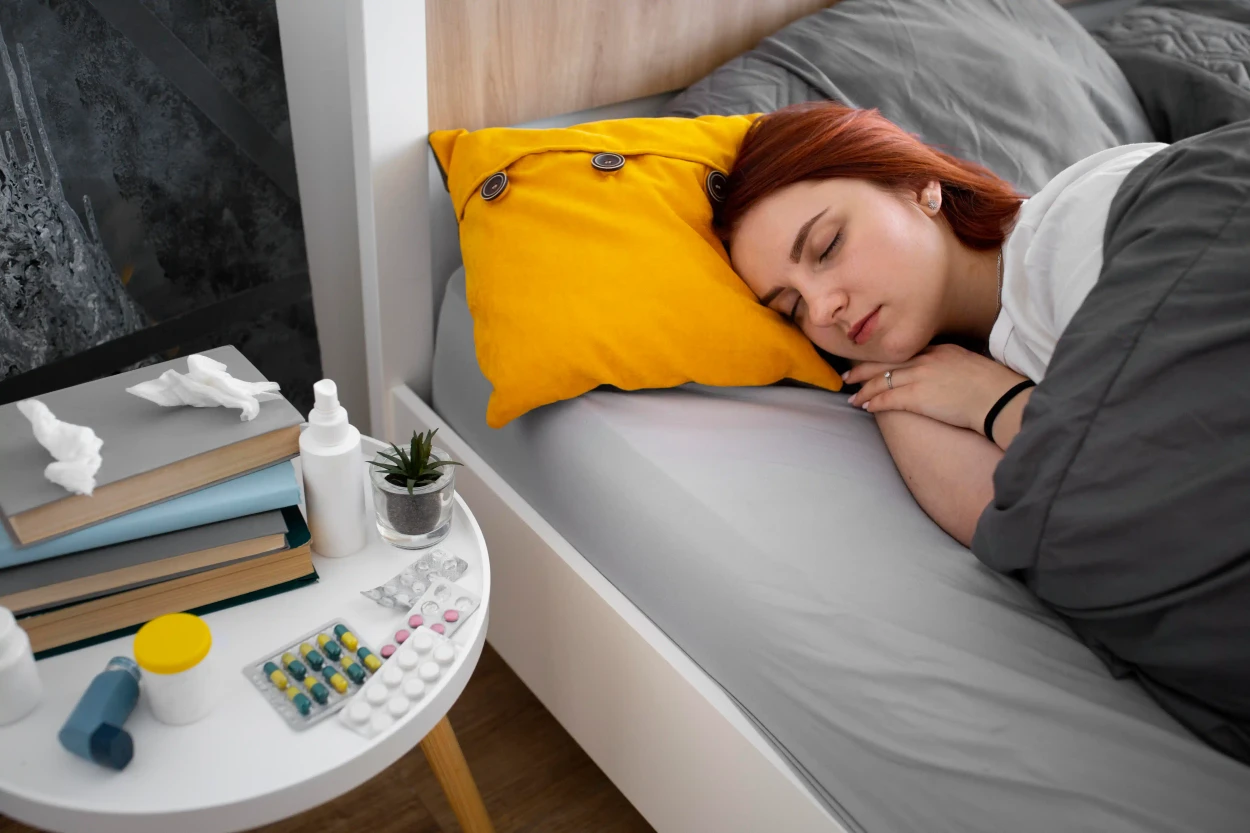
In obstructive sleep apnoea, the airway narrows or closes during sleep. The throat muscles relax, and the airway collapses. Fat around the neck and upper airway adds pressure, so the airway collapses more easily.
Less body fat means less pressure on the airway. It stays open for longer, and the pauses in breathing become fewer.
Size of the change matters. In a large US study, a 10% weight loss predicted a fall of about 26% in the apnoea-hypopnoea index (AHI). A diet trial found people who lost 10% or more cut their AHI by roughly half.
AHI counts pauses and shallow breaths per hour of sleep. Mild is 5 to 14, moderate is 15 to 29, and severe is 30 or more. A loss of around 10% to 15% of body weight can move people down a band.
Our weight loss clinic in Chatham checks your BMI and weight-related issues, like sleep apnoea, before recommending treatment.
What the SURMOUNT-OSA Trials Show
SURMOUNT-OSA is a pair of linked trials, published in the New England Journal of Medicine in 2024. They followed 469 adults with moderate to severe sleep apnoea and obesity for 52 weeks.
People took the highest dose they could tolerate, either 10mg or 15mg of tirzepatide weekly, or a placebo. Anyone with type 2 diabetes was left out.
Trial 1 included people not using a CPAP machine. Trial 2 included people already using one. Both groups started with an AHI near 50, which is severe.
In trial 1, AHI fell by 25.3 events per hour on tirzepatide, against 5.3 on placebo. In trial 2, it fell by 29.3 events per hour, against 5.5.
Weight fell by about 18% in trial 1 and 20% in trial 2 on tirzepatide. Placebo groups lost around 2% or less.
About four in ten people in trial 1, and half in trial 2, reached the trial's definition of resolution. On placebo, it was around one in seven.
That is a big shift, but the average person still had some apnoea left. Average BMI was also near 39, so results may differ among people with lower BMIs.
Is Any Weight Loss Medication Licensed for Sleep Apnoea in the UK?
Not as a separate licence. At the time of writing, the UK licensed uses of Mounjaro are weight management and type 2 diabetes.
Sleep apnoea appears in the product information as an example of a weight-related condition. The same document points to the SURMOUNT-OSA results in its trial section. That is not the same as a sleep apnoea licence.
This is where many online pages go wrong. Some claim the MHRA has approved Mounjaro for sleep apnoea, but the emc product information does not say so.
The United States is different. The FDA has approved tirzepatide, sold there as Zepbound, for moderate to severe sleep apnoea in adults with obesity. That decision does not apply in the UK.
In practice, a prescriber treats you for weight management under the licence. Any improvement in your sleep apnoea comes from the weight you lose.
Who Might Benefit From Weight Loss Medication?
Eligibility rests on your BMI and weight-related health conditions, not on sleep apnoea alone.
Under the licence, adults with a BMI of 30 or more can be treated. So can adults with a BMI of 27 to under 30 and at least one weight-related condition. Sleep apnoea counts as one.
So sleep apnoea can help you qualify, but it is not the thing being treated. Your overall health, medicines, and goals still decide the plan.
The benefit is most likely where apnoea is clearly weight-related. Think of a higher BMI, a thicker neck, and symptoms that crept in as weight went up.
If CPAP has been hard to tolerate, tell your sleep team. Weight loss may add to the plan, but it is not a swap.
When Weight Loss Will Not Fix Sleep Apnoea
Not all sleep apnoea comes from weight. Some comes from the shape of the airway.
Large tonsils, a long soft palate, or a small or set-back lower jaw can narrow the airway at any weight. A big tongue or a stuffy nose can make it worse.
In these cases, apnoea may carry on after weight loss or improve only in part. Slim people get sleep apnoea too.
Alcohol, sedatives, and sleeping on your back also play a part. An ENT or sleep specialist can check for these causes.
Options then include CPAP, a mandibular advancement device that holds the jaw forward, or surgery in some cases. Weight loss is a big help, but it is not a guaranteed fix.
Why You Should Not Stop CPAP on Your Own
Please do not stop CPAP because you are losing weight or taking a weight loss injection. This is the most important point on this page.
NICE guidance (NG202) recommends CPAP as the first-line treatment for moderate and severe sleep apnoea.
Weight can drop quickly, but your apnoea may not improve as much as you feel it has. You cannot judge it by how rested you are.
Any change should follow a repeat sleep study that shows improvement. Your sleep team makes that call, not you or your pharmacy.
Tell your sleep clinic when you start treatment. They can suggest a recheck once you have lost a good amount of weight.
Side Effects and Limitations
Stomach side effects are the most common.
About one in four participants in sleep apnoea trials on tirzepatide experienced nausea or diarrhoea.
Vomiting and constipation may also occur, typically mild to moderate.
Vomiting and diarrhoea can lead to dehydration, risking acute kidney injury or impaired renal function.
Maintain adequate fluid intake.
Consult the patient information leaflet for a comprehensive list of side effects.
Rapid weight loss may include muscle loss alongside fat.
Sufficient protein intake and regular resistance exercise are beneficial
The medication does not directly address sleepiness.
Any increase in energy results from improved nighttime breathing, which may lag behind weight loss.
Surgery and Anaesthesia Warning:
Tirzepatide delays gastric emptying.
Notify your surgical and anaesthetic team if surgery or deep sedation is needed, especially for airway or ENT procedures.
Delayed gastric emptying raises the risk of regurgitation and pulmonary aspiration during anaesthesia.
Follow specific protocols for medication management prior to surgery.
Oral Contraceptives Note:
Tirzepatide's effect on gastric emptying can influence the absorption of oral contraceptives, particularly when treatment begins or doses increase.
Patients should consider adding a non-oral or barrier method of contraception for four weeks after starting treatment and after each dose escalation.
What Happens If You Stop the Medication
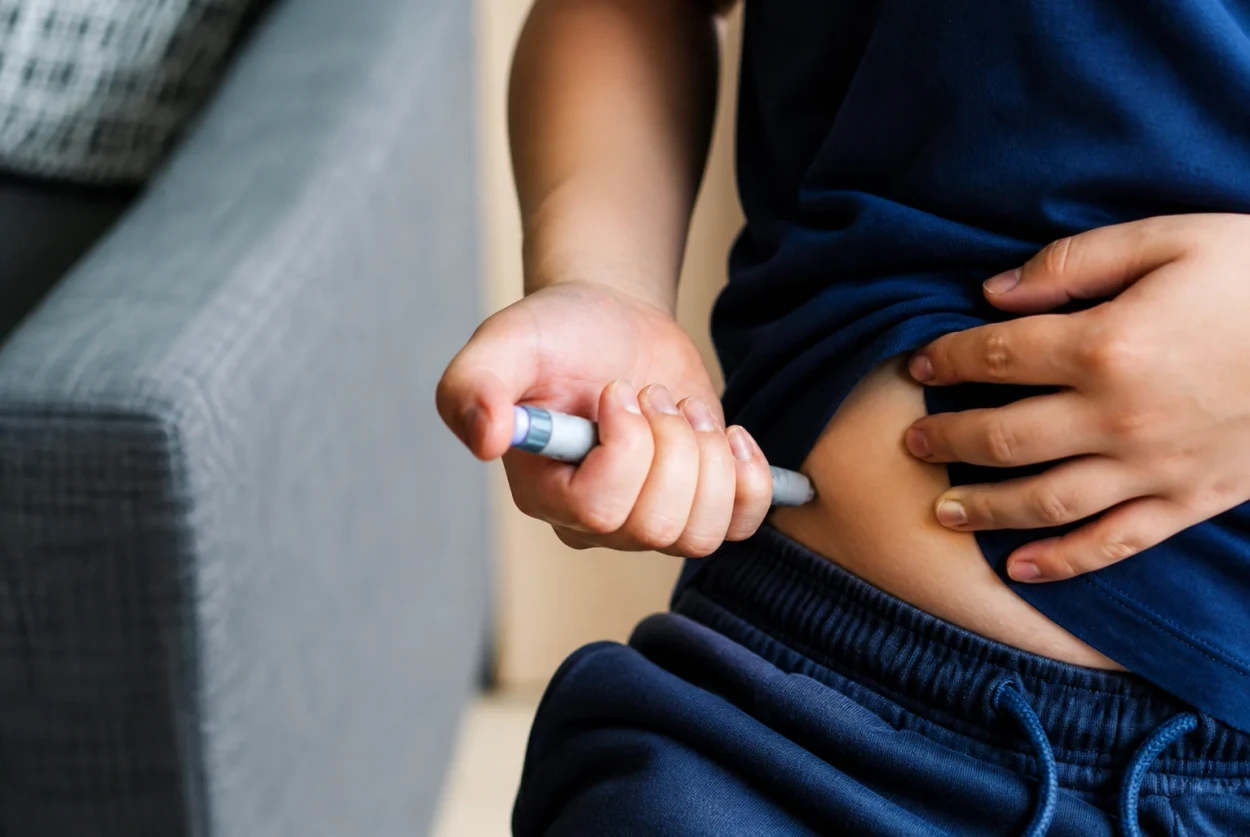
Weight tends to return after stopping, and sleep apnoea severity can return with it.
That makes this a long-term management approach, not a short course. Think of it like blood pressure tablets. The benefit lasts while the treatment and the habits behind it continue.
Build routines while you are on the medicine. Talk to your prescriber about a plan for the end. Continue with your sleep reviews so any change is caught early.
If you have lost under 5% of your starting weight after six months on your highest dose, your prescriber reviews whether to continue.
Getting Assessed and Starting Treatment in the UK

The order matters. A sleep study comes first to confirm and grade your sleep apnoea. A weight management assessment follows.
Snoring alone is not a diagnosis. A sleep study measures your breathing and oxygen levels overnight. Tell your doctor about loud snoring, witnessed pauses, gasping and daytime sleepiness.
On the NHS, your GP can refer you to a sleep service. For weight, NICE TA1026 recommends tirzepatide for adults. This applies to those with a BMI of at least 35 and a weight-related condition. Sleep apnoea is on that list. Lower BMI thresholds apply for some ethnic backgrounds.
The NHS rollout is phased over three years, so your GP may say it is not available to you yet.
The private route runs in the same order. You can arrange a private sleep study and then a weight management consultation. Our pharmacist reviews your BMI, history and medicines, and the prescriber decides if treatment is suitable. Bring your sleep study results and CPAP details.
Frequently Asked Questions
Conclusion
Weight loss medication can improve sleep apnoea when excess weight is driving it. In the SURMOUNT-OSA trials, tirzepatide cut breathing pauses and body weight by a large amount over 52 weeks.
In the UK, it is licensed for weight management, not for sleep apnoea itself. Some apnoea comes from airway shape, so weight loss may not fix every case.
CPAP stays first-line for moderate and severe apnoea. Any change should follow a repeat sleep study, and the benefit may fade if the weight returns.
Ready to book an appointment?
Same-week availability for most services. Book online or call us.