Are Travel Vaccines Safe for People with Chronic Illnesses

Yes, in most cases. A long-term condition usually doesn’t stop you from getting travel vaccines. However, it can affect which vaccines you get and when.
Inactivated vaccines are safe for nearly everyone, though they may provide weaker protection. Live vaccines are the main restriction. Only severely immunosuppressed people need to avoid them.
Most travel vaccines, like hepatitis A, B, rabies, and injectable typhoid, are inactivated. However, some live vaccines need special attention. These include yellow fever, MMR, oral typhoid, and the oral cholera vaccine Vaxchora.
This page covers important conditions and medicines. It explains what you can take and how to plan your treatment.
Can You Have Travel Vaccines with a Chronic Condition?
Most people with a long-term condition can have travel vaccines. Asthma, high blood pressure, thyroid problems, and well-managed diabetes rarely stand in the way.
What changes is the choice of vaccine. You may be steered towards an inactivated option or offered an extra dose. Some conditions even add vaccines to the usual list.
A pharmacist does an individual risk assessment before anything is given. They look at your destination, your diagnosis, your medicines and your recent treatment. That is why two people on the same trip can end up with different plans.
Our travel clinic consultation in Chatham works through this with you step by step. Nothing is given until your health history has been checked.
Which Conditions and Medicines Affect Your Immune System?
Not all long-term conditions or medications are immunosuppressive. Always inform your pharmacist, but don’t assume a diagnosis implies restrictions.
Medications usually not tied to immunosuppression are:
Inhaled steroids
Topical steroids
Joint injections
Steroid replacement for Addison's disease
Hydroxychloroquine
Mesalazine
Sulfasalazine
The underlying condition matters. Conditions that do cause immunosuppression include leukaemia, lymphoma, recent stem cell transplants, some HIV cases, and inherited immune deficiencies. Stem cell transplant recipients usually need complete revaccination after immunity resets.
Treatment is as important as diagnosis. Biologics such as adalimumab, etanercept, and infliximab count if used in the last 12 months. Immunosuppressive chemotherapy counts for six months.
High-dose steroid tablets (over 20 mg of prednisolone daily for 14+ days or over 40 mg for a week) count if taken in the last three months. Higher doses of methotrexate, azathioprine, mercaptopurine, ciclosporin, tacrolimus, and mycophenolate may also count. Consult your pharmacist and specialist for guidance.
Travel Vaccines That Are Safe for Chronic Conditions
Inactivated vaccines cannot cause the infection they protect against. That generally makes them safe for immunosuppressed people, although individual or vaccine-specific exceptions may apply.
Inactivated travel vaccines often include:
Hepatitis A
Hepatitis B
Injectable typhoid
Rabies
Japanese encephalitis
Tick-borne encephalitis
Meningitis ACWY, Dukoral for cholera, and the combined tetanus, diphtheria, and polio booster are also inactivated.
The catch is strength. With a weaker immune system, protection may be lower or fade sooner. So, can you have travel vaccines on biologics? Yes, if they are inactivated, though they may work less well.
Your clinician may suggest an extra dose or a blood test to check whether you responded. They may also add stricter precautions around bites, food, and water to cover any gap.
Live Vaccines and Who Should Avoid Them
A live vaccine contains a weakened form of the germ. In most people, it causes no illness. In someone severely immunosuppressed, the germ can multiply and cause an infection. This is the one real restriction.
Live vaccines available in the UK are:
Yellow fever
MMR
Oral typhoid (Vivotif)
BCG
Chickenpox
Oral cholera (Vaxchora)
Dengue (Qdenga)
The children's nasal flu spray and rotavirus vaccine are live as well.
Severely immunosuppressed travellers cannot have live vaccines. People with minor immune problems usually can. If you are not sure which group you are in, your specialist team can tell you.
Some swaps are easy. Oral typhoid has an injected alternative that is not live. Others, such as yellow fever, need a closer look.
Qdenga is live, so the same rules apply. UK guidance also limits who is offered it, mainly to people who have had dengue before. People with immunosuppression who are considering live vaccines need a clear decision from a clinician, not a guess.
Yellow Fever and Medical Exemption Letters
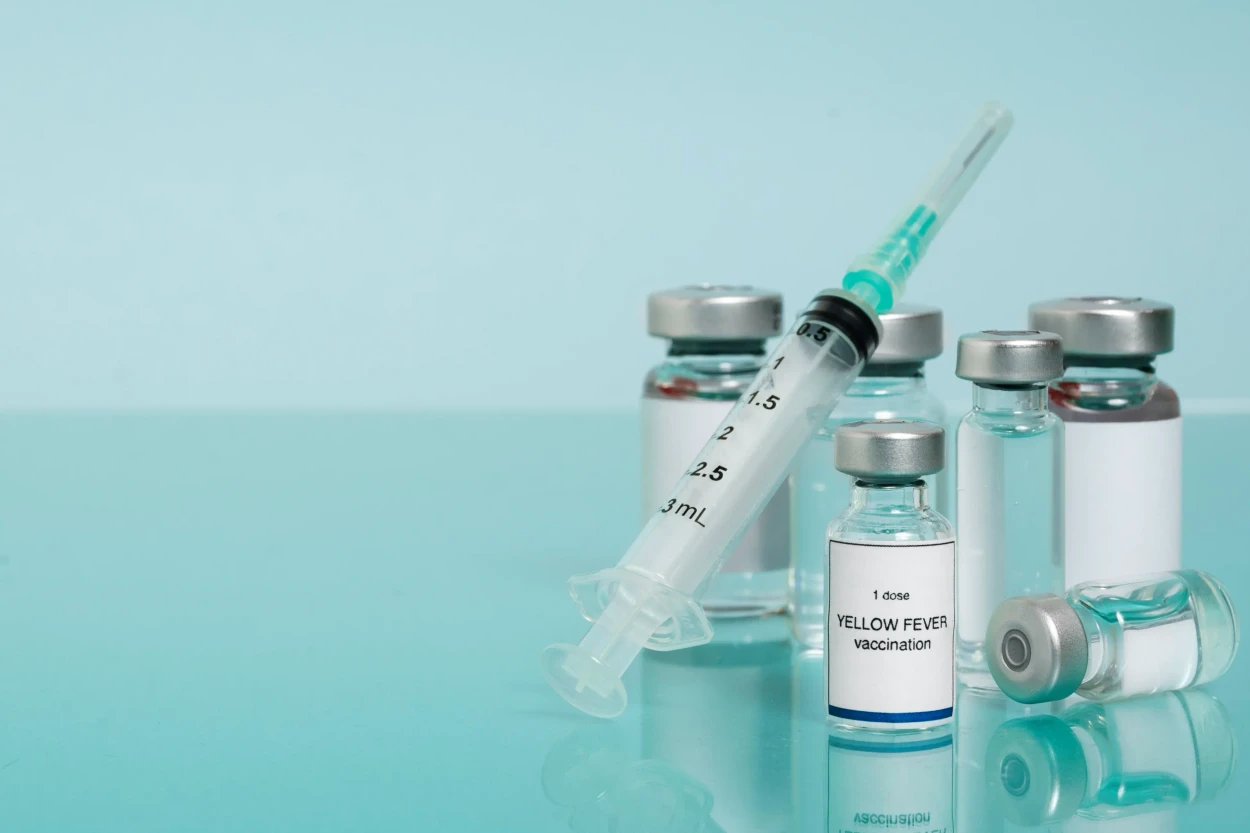
The live yellow fever vaccine causes the most trouble for this group. It is the best protection where the disease is a risk, and some countries ask for proof of vaccination at the border.
Severely immunosuppressed travellers are usually advised to avoid yellow fever risk areas. If travel cannot be avoided, the plan should include strict bite avoidance and less time in risk areas. Data on lower-dose treatment is limited, so specialist advice comes first.
If vaccination isn't safe, a health professional can issue a yellow fever vaccine exemption letter. This is called a medical letter of exemption. Border officials should take it into account.
It does not guarantee entry. A country may still refuse you or quarantine you, so check the entry rules with the embassy before you fly. The letter also gives no protection from the disease itself.
Our Chatham clinic is a registered yellow fever centre. The pharmacist can't give the vaccine to anyone who is immunocompromised or has a thymus disorder. This is stated in our Patient Group Direction. The pharmacist will explain your options, including the possibility of an exemption letter.
Chronic Conditions That Need Extra Vaccines
Here is the other side of the story. Some conditions mean more vaccines, not fewer.
Chronic liver disease, kidney disease, and diabetes can weaken the immune response to varying degrees. Extra vaccines may be advised, such as hepatitis A, hepatitis B, pneumococcal, and flu. The exact list depends on your condition.
Infections can also make blood sugar harder to control if you have diabetes. That is a good reason to keep your protection up to date before you go.
Without a working spleen, the risk of severe infection rises. This covers people who have had it removed and some with sickle cell disease or coeliac disease. Get vaccinated against pneumococcus, Hib, and meningococcal groups ACWY and B. Also, don’t forget your yearly flu shot.
Some people without a functioning spleen get standby antibiotics. They should start these if they get sick while travelling abroad. Carry a letter from a healthcare professional and a copy of your prescription. Take enough for the whole trip.
Timing Your Vaccines Around Your Treatment
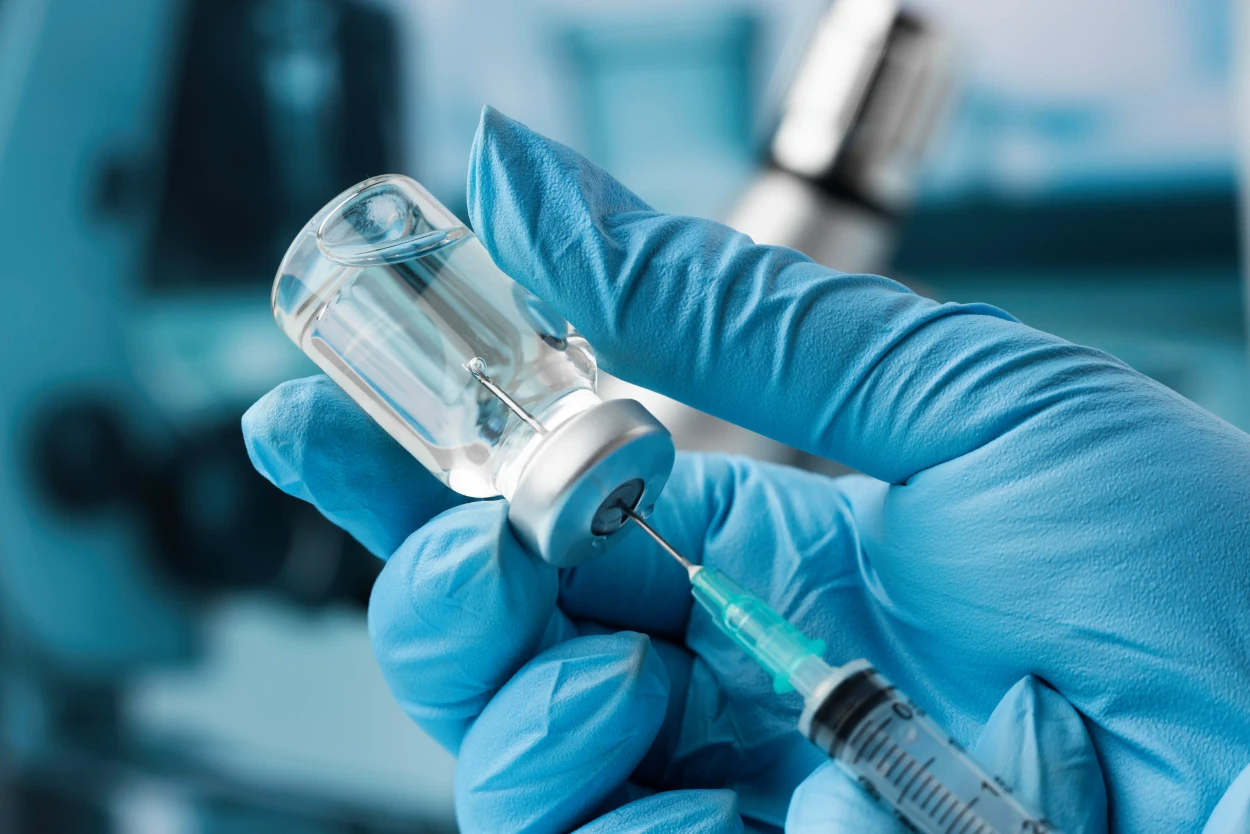
Timing can matter as much as the vaccine itself. If you are about to start immunosuppressive treatment, a live vaccine is ideally given about four weeks before. That gives your body time to respond.
Never delay treatment if that would put your condition at risk. Your health comes first, and travel plans can move.
If treatment is already underway, some live vaccines may not be possible for a set period after it stops. The look-back periods earlier on this page apply. The specialist team and pharmacist decide case by case.
Inactivated vaccines are different. Have them early if you can, since protection may be weaker once treatment is in full swing.
Because several people are involved, plan early. The usual advice is six to eight weeks for everyone. If it's a long-term condition, you'll need more planning time. Tell your specialist team your plans before you book flights.
Malaria Tablets and Your Current Medicines
Severe malaria is more likely when the immune system is suppressed. Bite avoidance and tablets matter more, and the destination deserves a harder look. Without a working spleen, travel to malaria areas is best avoided.
Tablet choice depends on interactions. Some malaria tablets (such as atovaquone/proguanil or mefloquine) can interact with specific immunosuppressants and other prescriptions. The pharmacist checks your full medicines list against the BNF before suggesting one.
For bite prevention, use 50% DEET or 20% picaridin on exposed skin, after sunscreen. Sleep under a treated net where mosquitoes bite at night. The UKHSA malaria guidelines are updated every year.
Treat any fever abroad, or after you return, as urgent. Tell the doctor about your condition and your trip. Malaria parasites can multiply quickly.
Other Health Risks to Plan For

Food and water. Stomach infections can hit harder with a weaker immune system. Drink safe water, eat freshly cooked food, and ask about a written self-treatment plan.
Long flights. Sitting still for hours raises the risk of blood clots, especially after surgery or with cancer or a past clot. Walk when you can, drink water, and ask about compression socks.
Sun. Some medicines make skin more sensitive, and immunosuppression can raise skin cancer risk. Use high-factor sunscreen, cover up, and get changing moles checked.
Bare feet. Do not walk barefoot on soil or sand in tropical areas. Parasitic worms, such as Strongyloides stercoralis (which can cause severe hyperinfection in immunosuppressed individuals), can enter through skin contact with contaminated soil.
What to Bring to Your Travel Clinic Appointment

A good appointment starts with good information. Bring these to your Travel Clinic if you have them:
Your diagnosis, plus your specialist's name and contact details
A full medicines list with doses, including over-the-counter products and supplements
Your vaccination history, such as a red book or a GP printout
Dates of recent treatment, such as your last biologic dose, steroid course or chemotherapy
Your full itinerary with dates, stopovers and planned activities
A recent letter from your specialist, if you have one
Frequently Asked Questions
Conclusion
A long-term condition rarely stops you from getting travel vaccines. It shapes the choice and the timing, and a proper risk assessment sets the plan.
Inactivated vaccines are safe for nearly everyone, though protection can be weaker. Live vaccines are the main concern. They are especially important for severely immunosuppressed travellers and for yellow fever vaccination.
Some conditions require extra vaccines. Malaria tablets need a medicine check. Your treatment dates affect the timing. Clear details of your diagnosis and medicines make every one of these decisions easier.
Ready to book an appointment?
Same-week availability for most services. Book online or call us.