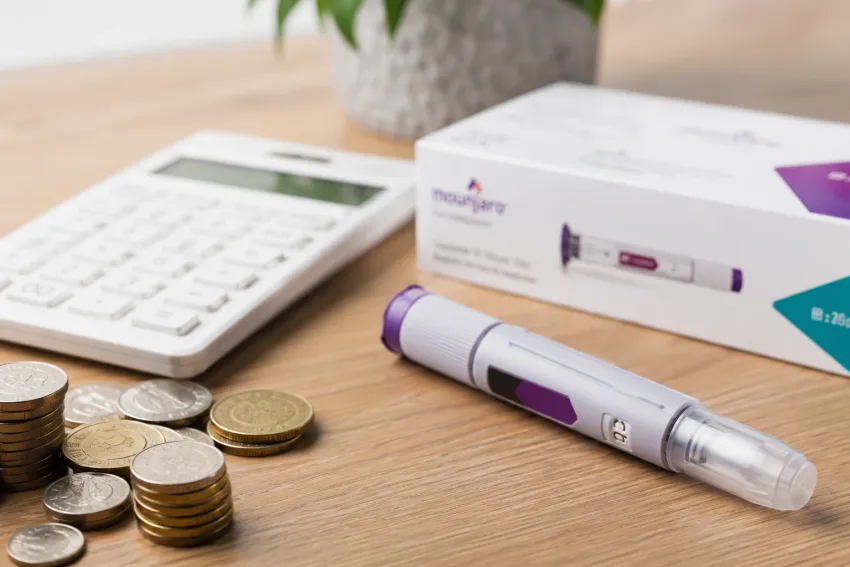
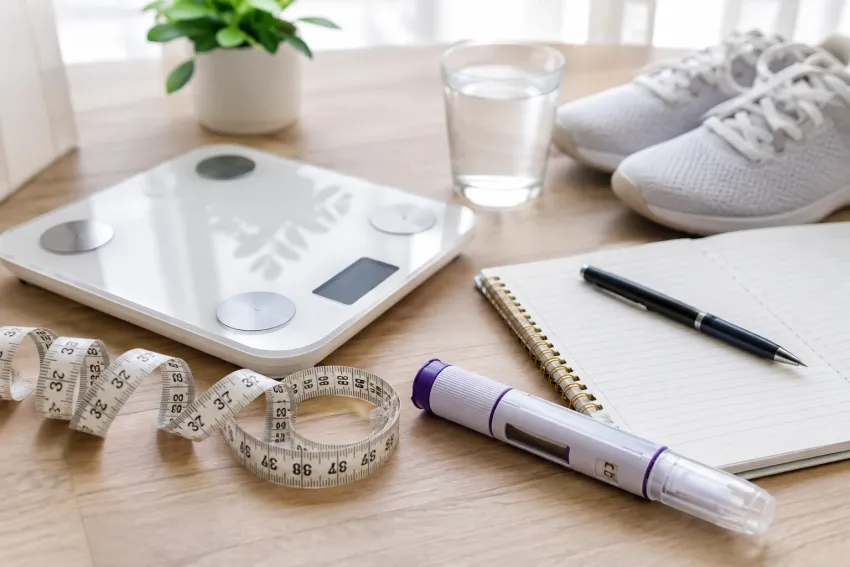
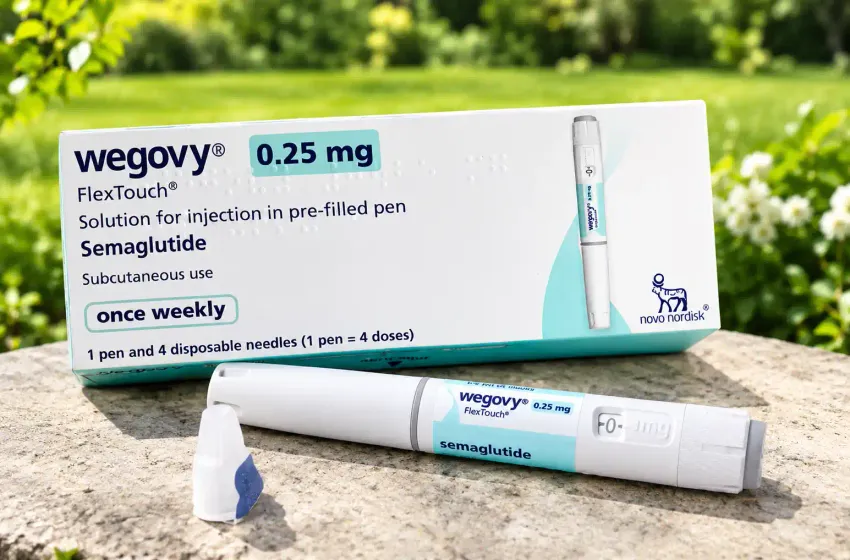
Why Medical Supervision Matters During Weight Loss


Medical supervision matters because weight loss medicines carry real risks, and so does losing weight too fast. A prescriber checks whether weight loss treatment is suitable for you, gradually increases the dose in steps, and reviews any side effects to ensure your treatment remains safe.
UK pharmacy rules now label these medicines as high risk. So, your weight and height must be checked carefully. Unregulated sellers have already put people in hospital. Keep reading to see what the rules say and why a fake pen can be so dangerous.
What Medical Supervision Actually Involves

Good supervision is a series of small, practical steps. Here is what the appointment should look like, from first chat to final review.
It starts with an eligibility check. The prescriber confirms your weight and height, works out your BMI, and compares it with the medicine's licence. They should use a method they can trust, rather than relying on self-reported figures alone.
Next comes your medical history.
Expect questions about:
Diabetes
Pancreas or gallbladder problems
Kidney issues
Eye conditions
Pregnancy plans
Personal or family history of thyroid cancer (like medullary thyroid carcinoma or Multiple Endocrine Neoplasia type 2)
Any past eating difficulties
You will also be asked about every medicine and supplement you take.
Then the prescriber decides if treatment is suitable. Sometimes the answer is yes. Sometimes it is "not yet" or "not at all", and a good prescriber will say so and explain why.
If you go ahead, you start low. The tirzepatide product information gives a starting dose of 2.5 mg weekly. Your dose increases after at least four weeks. This step-by-step rise is called dose titration, and it gives your body time to settle.
After that, the focus is on side effects such as nausea, constipation, and reflux. Review appointments should be planned, along with clear stopping rules. Before you start, know when treatment may pause, change, or end. If you don’t lose at least 5% of your starting weight within six months after your highest dose, the prescriber will reassess your treatment.
Six Reasons Supervision Makes a Difference
Here are six real situations where a trained person in the room changes the outcome.
1. Confirm You Are Suitable
Treatment only works well for the right person. A proper check can show that your BMI falls outside the licence. It can also show that your history makes the medicine a poor fit. Someone with a BMI of 28 and no related condition would not qualify.
2. Catch Interactions
Some combinations need action. If you take insulin or a sulphonylurea for diabetes, low blood sugar can occur. Your doctor may need to change those doses. The injection can make the oral contraceptive pill less effective because it delays stomach emptying. So, a prescriber will suggest switching to a non-oral method. They might also recommend adding a barrier method for 4 weeks after starting the injection and after each dose increase.
3. Raise the Dose Slowly
Not everyone tolerates each step. If nausea is bad at 2.5 mg, a prescriber can hold you there for longer instead of pushing on. Without this flexibility, people tend to climb the dose on a fixed schedule, whether they feel well or not.
4. Protect Muscle and Nutrition
Eating much less can cost you muscle as well as fat. A prescriber will ask about protein, fluids, and activity before problems show up. Vomiting and diarrhea can dry you out. That’s why the product leaflet warns about dehydration. Dehydration can lead to acute kidney injury.
5. Spot Warning Signs Early
Severe stomach pain that spreads to the back can point to pancreatitis. Pain under the right ribs can signal gallbladder trouble. A trained person knows these patterns and acts fast. If pancreatitis is confirmed, treatment should not be restarted.
6. Know When to Stop
Medication isn't a lifelong commitment for everyone. Reviews show whether it is working, and a prescriber can change the plan or stop it if the benefit is small. That decision is much harder to make alone and easy to put off.
What the Rules Say About Prescribing Weight Loss Medication
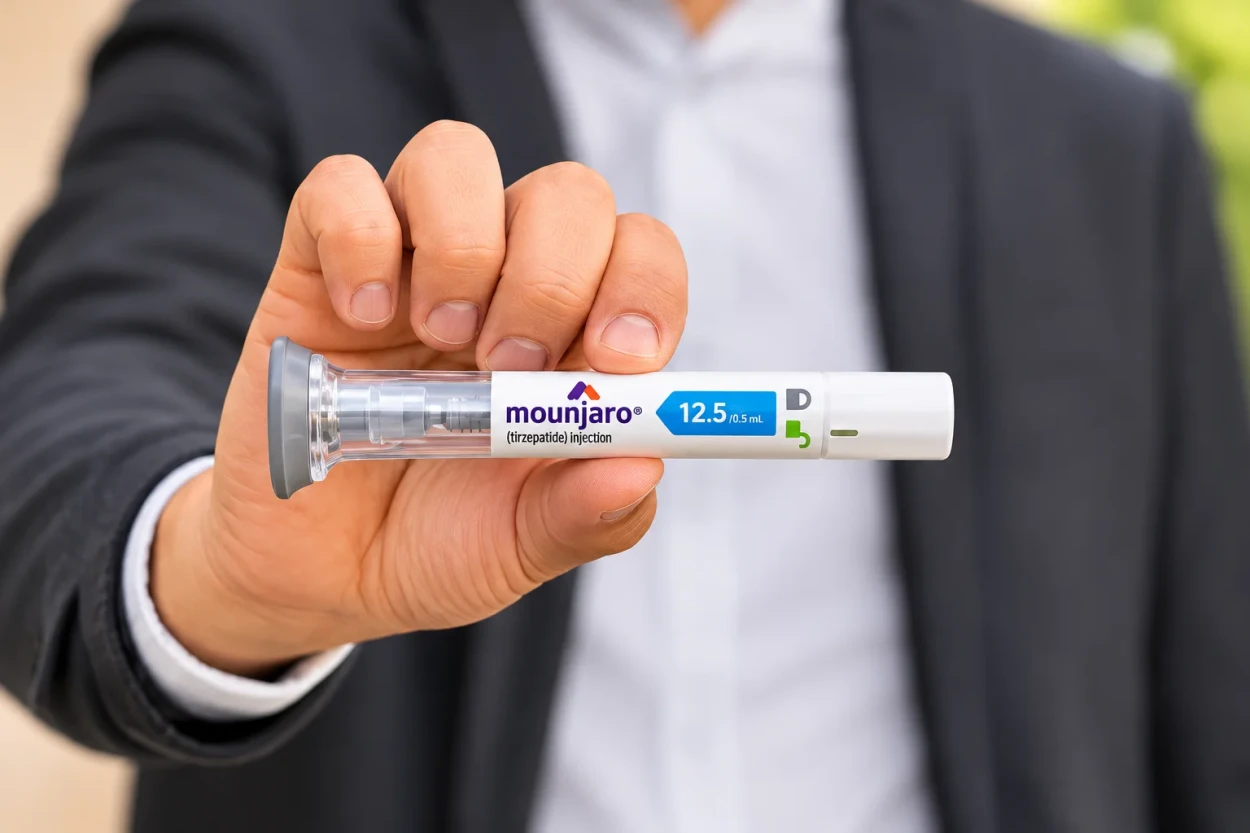
This is the part most people never hear about. In February 2025, the pharmacy regulator for Great Britain, the GPhC, updated its online pharmacy guidance. Weight management medicines were added to its list of high-risk medicines.
For these medicines, a prescriber cannot rely on an online questionnaire alone. They must independently verify your weight, height and/or BMI. "Independently" means using a different method from the one you used to give the information.
In practice, that can mean a video consultation, a face-to-face meeting or access to your GP records. The GPhC has also said that photos or a phone call on their own are not enough. Pharmacies that ignore this risk are unfit to practise and face action against the owner, the superintendent pharmacist, or both.
Is the rule being followed? The GPhC's April 2026 review looked at inspections from 2024 and 2025. It found BMI checking was the third most common concern area, accounting for 11% of 1,307 concerns. Some people said they could simply type in their own BMI.
Who Should Consider Supervised Weight Loss?

Supervised treatment is aimed at adults whose weight is affecting their health. Under the licence, that means a BMI of 30 or more. It also covers a BMI of 27 or more with a related condition, such as high blood pressure or sleep apnoea.
NHS access is narrower. NICE guidance on tirzepatide is being rolled out in phases. The rollout starts with people who have a higher BMI and a weight-related condition.
It may also suit you if you have tried diet and activity for a long time without lasting results. That is common, and it is not a personal failing. Medicine is meant to sit alongside food and movement, not replace them.
Having a condition like type 2 diabetes or sleep apnoea makes supervision more useful, not less. Your medicines may need changing as you lose weight. Your condition may also need its own checks.
Who Should Not Be Prescribed Weight Loss Medication
Part of a prescriber's job is saying no. It is not a judgement on you. It is a safety decision, and it protects you from harm.
Treatment is usually not suitable if your weight is already low or your BMI is below the licensed threshold. A history of disordered eating is also a concern, because a medicine that cuts appetite can feed an unhealthy pattern. If you or someone you know has an eating disorder, help is here. You can call Beat's helpline at 0808 801 0677 or visit beateatingdisorders.org.uk for support.
The GPhC review noted reports of supply to people with eating disorders, under-18s, and people who are pregnant or trying to conceive.
Weight management treatment is licensed for adults only. It is not recommended in pregnancy, and you should plan to stop it before trying for a baby. A past episode of pancreatitis or other medical history can also rule it out.
A "no" often comes with another route, such as a referral, a different plan or a review in a few months.
The Risks of Buying Weight Loss Injections Online
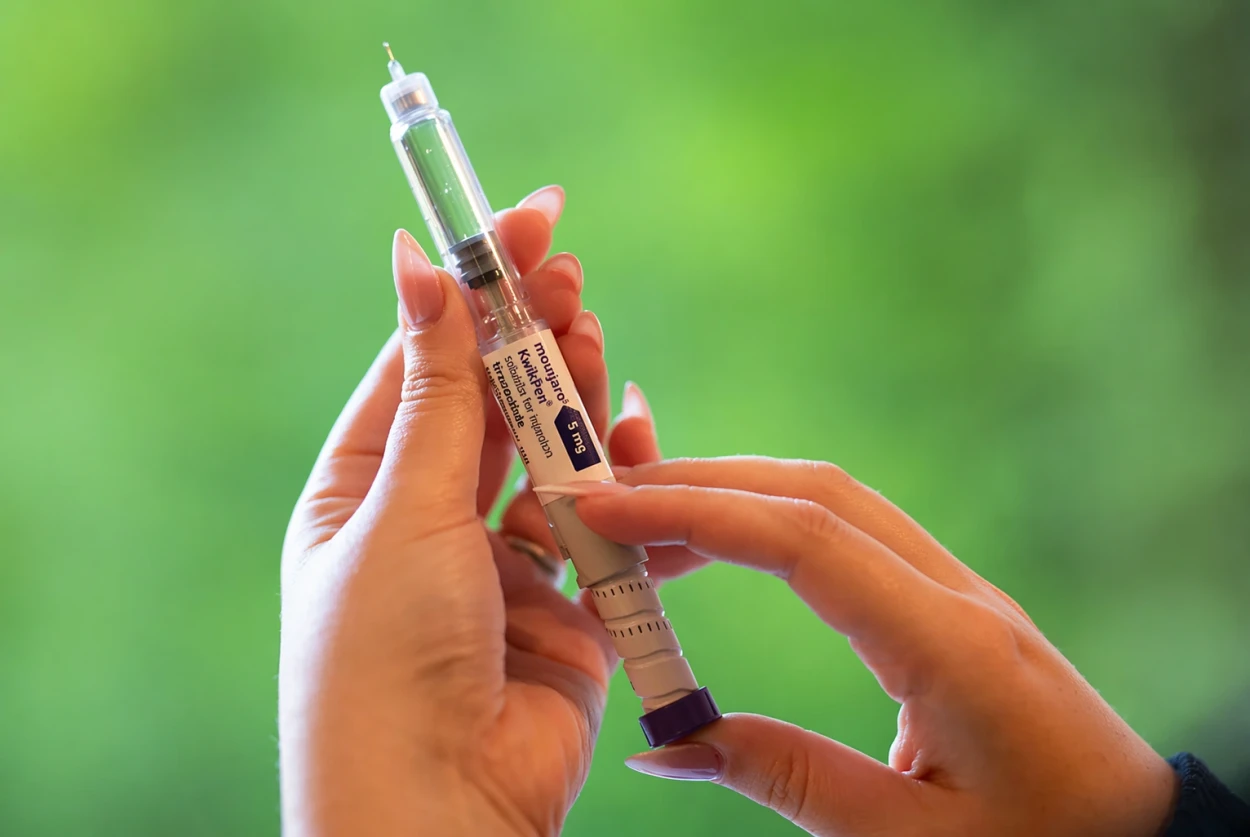
The MHRA, the UK medicines regulator, has been blunt about this. Between January and October 2023, it seized 369 potentially fake Ozempic pens. It had seized none before 2023.
Some people ended up in hospital with hypoglycaemic shock and coma. Five Yellow Card reports confirmed that pens sold as weight loss products contained insulin. Insulin lowers blood sugar fast. In someone without diabetes, that can be dangerous within hours.
The problem has grown. The MHRA describes powder kits sold for home mixing and own-brand pens that do not imitate any genuine product.
In October 2025, officers raided a Northampton warehouse, the first illegal weight loss factory found in the UK. They seized tens of thousands of empty pens and more than 2,000 unlicensed pens. More suspected sites have been shut down since.
Mixing powder at home adds its own risks, because you cannot check dose, purity or sterility. Northern Ireland health officials have also warned about kits where the syringe and powder come separately.
If you feel dizzy, sweaty or have blurred vision after using a pen, get urgent medical help. Call 999 for seizures or loss of consciousness. Take the pen with you so doctors know what you used.
You can report a suspect product or any side effect through the Yellow Card scheme. To check if a pharmacy is registered, look it up on the GPhC register.
The Risks of Unsupervised Dieting
Not every risk comes from a pen. Dieting without guidance has its own problems.
Eating very little can lead to tiredness, dizziness and muscle loss. It can also leave you short of iron, calcium, and vitamins. If you take medicines for diabetes or blood pressure, eating less can change how they work.
Losing weight quickly also raises the chance of gallstones. These can cause sharp pain in the upper right side of your tummy, sometimes with nausea.
Then there is weight regain. Crash plans are hard to keep up, and weight often returns once normal eating restarts. Some people do lose weight safely on their own. The difference is a sensible plan and someone to check in with.
What Monitoring Should Happen While You Lose Weight

Monitoring is how a prescriber knows the treatment is helping and not harming. Reviews should look at your weight trend, not just one number on one day. They should also cover side effects, hydration, and how well you are eating.
Blood pressure matters too, because it often falls as weight drops. If you take tablets for it, those may need a dose change. People with diabetes need their blood glucose checked, as medicines like insulin often need to be reduced.
At each dose step, the prescriber should ask how the previous dose went before moving on. The GPhC review heard of people whose dose was raised automatically with no clinical review. That is exactly what good monitoring prevents.
Finally, a prescriber should check whether treatment is working. If it is not, they should change it or stop it.
Creating a Personalised Weight-Management Plan

A good plan starts with you, not with a medicine. The prescriber looks at your starting point, medical history, current medicines, eating habits, activity level and daily routine.
Together you set realistic goals. These cover more than the scales, such as energy, mobility, blood pressure or blood sugar. A smaller goal you can keep is better than a bold one you drop in a month.
The plan covers food and activity alongside any medicine. Set review points are agreed from the start, so the plan can change as your weight, health and life change.
To talk it through, read about our weight loss clinic. You can also book a weight loss consultation online or call 01634 404142.
Frequently Asked Questions
Conclusion
Weight loss works best when someone is overseeing your care. A prescriber checks that treatment suits you, sets the dose in careful steps, and looks out for side effects. UK rules now treat these medicines as high risk, so weight and height must be verified properly.
Fake pens and powder kits show what can go wrong outside that system. Crash dieting carries its own risks, from muscle loss to gallstones. Regular reviews, honest goals, and a plan built around you make the difference.
Ready to book an appointment?
Same-week availability for most services. Book online or call us.