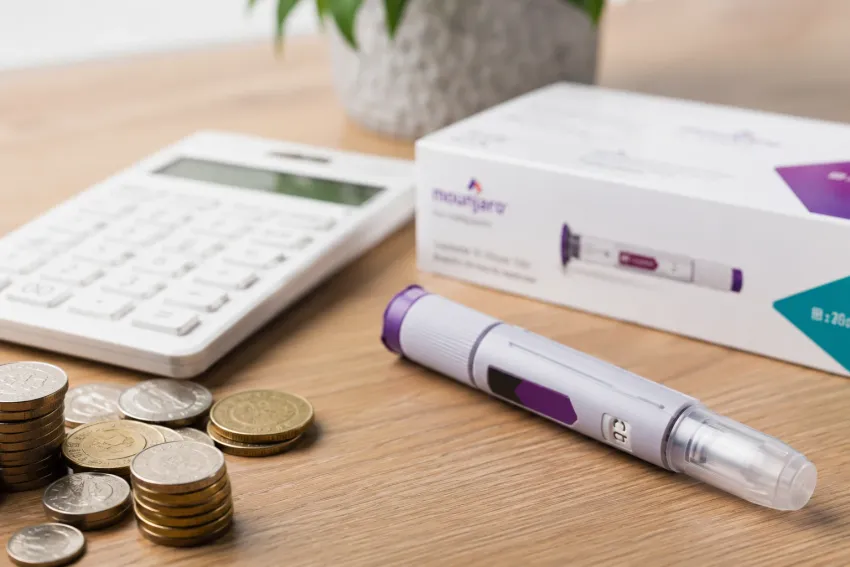
Most people start seeing weight loss results on Mounjaro within 4 to 8 weeks. The first month is mainly about your body adjusting to the medication. Real, noticeable fat loss picks up from month two onwards, once the dose increases.
At 72 weeks, clinical trial participants lost an average of 20.9% of their body weight on the highest dose. That's not a small number.
Keep reading to understand exactly what happens week by week, what the science says, and what actually affects your results.
How Does Mounjaro Work for Weight Loss?
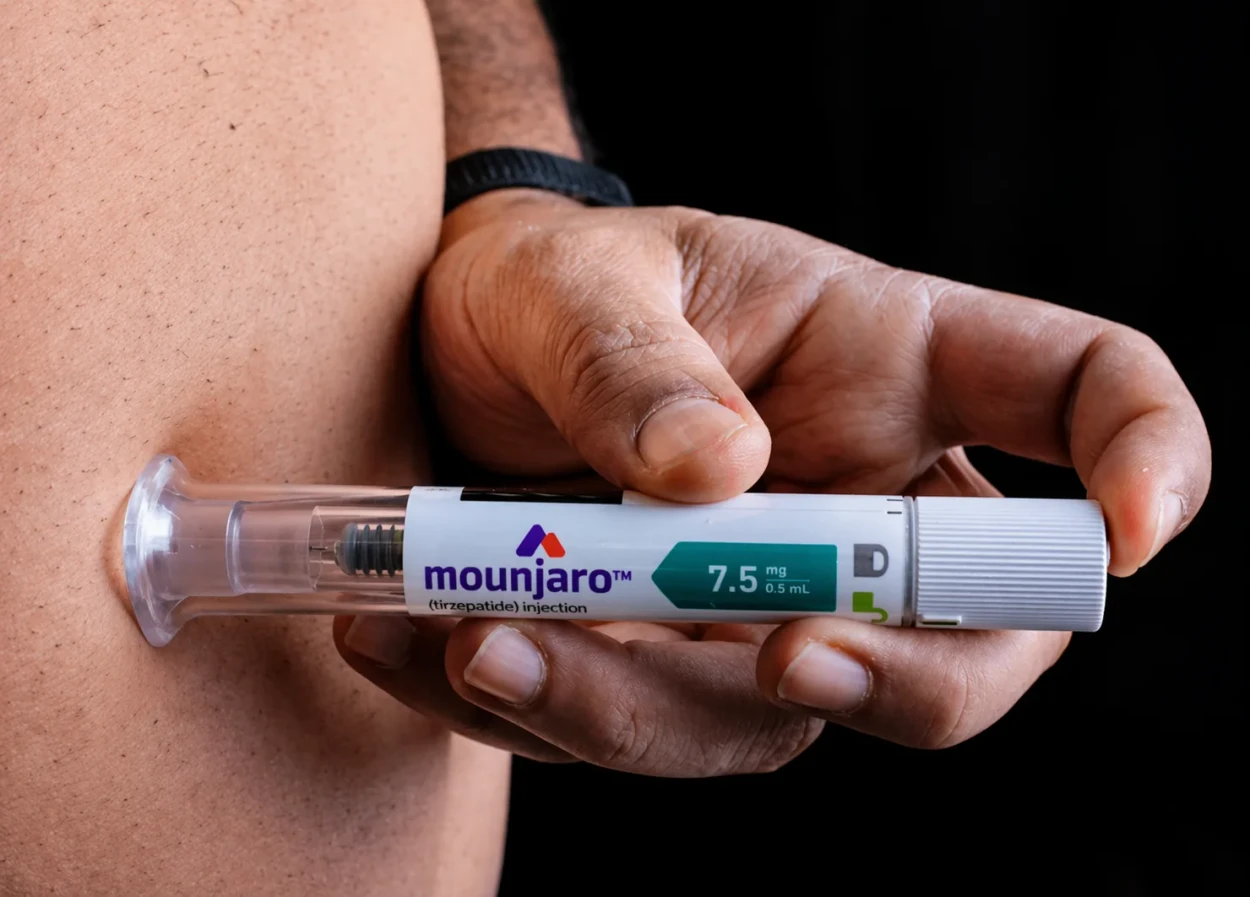
Mounjaro (tirzepatide) works differently from older weight loss injections. It targets two gut hormones at once: GLP-1 and GIP. Both hormones signal fullness to your brain, but together they do something neither manages alone.
GLP-1 slows how fast your stomach empties, which keeps you fuller for longer. GIP improves how your body processes fat and glucose. The combined effect cuts calorie intake a lot. You won't have to struggle with hunger.
Most patients report that "food noise" drops sharply. That constant mental chatter about food, snacking, and eating simply quiets down. That's the mechanism doing its job.
Eligibility Criteria
To be eligible for private supply, you must have a BMI ≥ 30 or ≥ 27 with a weight-related comorbidity. Patients need to be between 18 and 84 years old. They likely tried supervised diets, behaviour changes, and more activity but didn’t lose weight.
Important Exclusions
This treatment isn't right for people who have:
A current or past eating disorder
Pregnancy or breastfeeding
A personal or family history of medullary thyroid carcinoma or MEN2
Pancreatitis
Type 1 diabetes
Severe kidney or liver problems
Crohn's disease
Gastroparesis
Women on oral contraceptives should use a barrier or non-oral method for 4 weeks after starting and after each dose increase. This is important because of possible absorption problems. A pulmonary aspiration warning also applies to all patients.
Mounjaro Weight Loss Timeline

Weeks 1 to 4: The Acclimatisation Phase
The 2.5 mg starting dose is not designed to produce maximum weight loss. It's there to help your body tolerate the medication. Don't judge Mounjaro by what happens in month one.
That said, most people do lose weight in this phase. On average, patients lose roughly 3% to 4% of their starting body weight in the first four weeks. For someone weighing 100 kg, that's around 3 kg to 4 kg. Weekly loss tends to sit at 0.5 to 1 kg, depending on how much you're eating.
The biggest shift most people notice isn't on the scales. It's the reduction in food noise. Cravings become easier to ignore. Portion sizes naturally shrink without deliberate effort. That mental change is actually the mechanism working as intended.
Some mild nausea and fatigue are common in weeks one and two. These side effects almost always settle once your body adapts to the dose.
Months 2 to 3: The Acceleration Phase
This is when most people start to feel the real effect of Mounjaro. The dose increases to 5 mg or 7.5 mg, and the difference is noticeable.
By weeks 8 to 12, average weight loss reaches 6% to 10% of starting body weight. The medication also reaches what's called a "steady state" in your bloodstream. That means hunger control doesn't wear off midweek. It holds consistently for the full seven days between injections.
Patients often report that meals feel genuinely satisfying at smaller portions. The psychological relationship with food starts to shift during this window, not just the physical appetite.
Months 4 to 6: Reaching Maximum Momentum
Months four to six represent the steepest part of the weight loss curve for most patients. Most people reach their maintenance doses of 10 mg, 12.5 mg, or 15 mg during this period.
By week 24 (six months), clinical trial participants lost an average of 12% to 16% of their starting body weight. That translates to roughly 12 to 16 kg for someone starting at 100 kg.
This is also the point where the medication's full appetite-suppressing effect is established. The body has adjusted to the higher dose, side effects have reduced, and weight loss is the most consistent it will be.
The 72-Week Milestone: Long-Term SURMOUNT-1 Results
The SURMOUNT-1 trial is the most important clinical data we have on long-term Mounjaro outcomes. It followed over 2,500 adults with obesity for 72 weeks. The results by final dose were:
Final Dose | Average Weight Loss at 72 Weeks | |
5 mg | 15.0% of body weight | |
10 mg | 19.5% of body weight | |
15 mg | 20.9% of body weight |
To put the 15 mg figure in context: a person starting at 120 kg would lose approximately 25 kg on average. These are not outliers. These are mean figures from a large, well-controlled trial.
The trial also showed that weight loss was still continuing at 72 weeks for many participants. The medication doesn't plateau quickly.
Factors That Can Speed Up (or Slow Down) Your Progress

Not everyone loses weight at the same pace. Several factors change how quickly you respond to Mounjaro:
Starting BMI: Patients with a higher starting BMI often see larger numeric losses early on, because there's more total weight to lose
Injection consistency: Missing doses disrupt the steady-state concentration in your blood. Even one missed injection can reduce appetite control for several days
Underlying conditions: PCOS and hypothyroidism can slow fat loss, even if the medication works well. This doesn't mean Mounjaro won't work. It means it may take longer to see comparable results
Diet quality: Mounjaro reduces hunger, but it does not remove the need for adequate protein intake or a sensible calorie balance
Activity levels: Resistance training helps maintain muscle during weight loss. This keeps your metabolic rate higher and improves body composition
Stress and sleep: High cortisol from ongoing stress and lack of sleep disrupts fat metabolism. This happens no matter what medication you use
What to Expect During Your Mounjaro Journey
The honest summary of what most patients experience goes like this. Food noise reduces within the first two weeks. Weight loss starts slowly in month one, then picks up meaningfully in months two and three.
Mild nausea and occasional constipation are common when doses increase. These usually last a week or two and settle without intervention. Staying well-hydrated helps significantly.
By month four, most people are on a higher dose and losing weight steadily. The mental relationship with food often feels fundamentally different by this point. Eating becomes more intentional and less driven by habit or boredom.
How to Maximise Weight Loss on Mounjaro
Mounjaro does the heavy lifting on appetite. You still need to support it with the right habits:
Focus on adequate protein and a moderate calorie deficit to protect muscle mass rather than aggressive weight loss.
Discuss your specific nutritional targets and any history of disordered eating with your prescriber to ensure a safe, personalised plan.
Drink at least 2 litres of water daily. Dehydration is often mistaken for hunger. It also worsens nausea and constipation.
Do weekly strength training. Aim for two to three resistance exercise sessions each week. This helps protect your muscles, boosts insulin sensitivity, and keeps your metabolic rate steady.
Don't skip meals entirely. Mounjaro can greatly reduce your appetite. But not getting enough protein and calories for long periods can be harmful.
When to Be Concerned About Your Rate of Weight Loss
Losing weight quickly feels like a win, but losing too fast carries real clinical risk.
Losing more than 1 to 1.5 kg per week consistently is a warning sign. Rapid weight loss sharply increases gallstone risk. It also accelerates muscle loss, which makes weight maintenance harder later on.
Gallstones can occur with any fast weight loss, not just from Mounjaro. Severe upper abdominal pain needs urgent medical help, especially if you have a fever or if the pain spreads to your shoulder. These are symptoms of gallstone complications and should not be ignored.
If your weight is dropping faster than expected, speak to your prescriber. The dose may need adjusting, or your calorie intake may be too low.
What Happens If You Stop Taking Mounjaro?

This is one of the most important things to understand before starting. Mounjaro is not a short-term fix. It's a long-term medication for a chronic condition.
In the SURMOUNT-4 trial, participants used tirzepatide for 36 weeks. They lost about 20.9% of their body weight on average. Afterwards, they were divided into two groups for another year.
The group that continued treatment lost an additional 5.5%, while the placebo group regained 14%. Overall, the continued group lost 25.3% and the placebo group 9.9% over 88 weeks.
Weight regain after stopping isn't a failure; it shows obesity's biology. Mounjaro manages, not cures. If it's effective, long-term use is supported. Your prescriber will monitor progress. If you don't lose 5% of your weight within six months of the highest dose, they'll reassess your treatment.
Mounjaro Weight Loss vs Other Weight Loss Medications
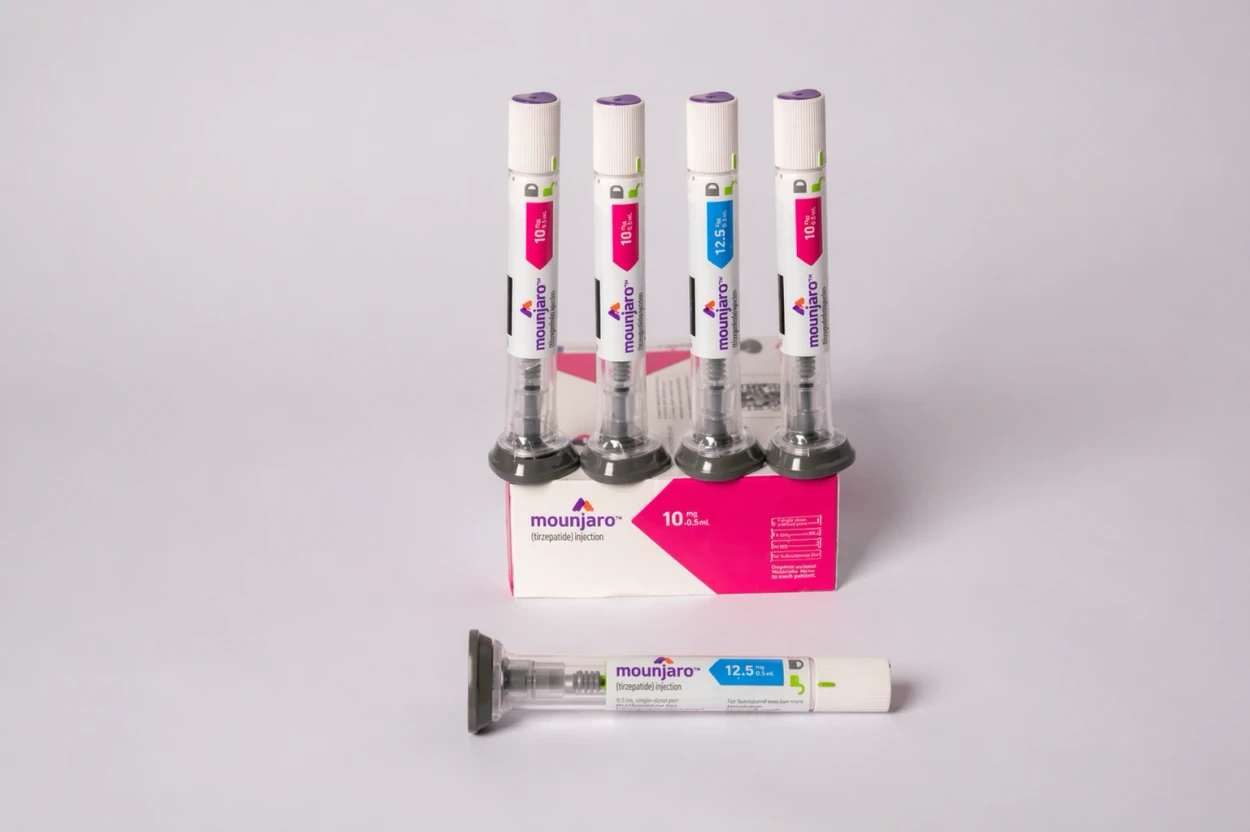
Mounjaro vs Wegovy
Factor | Mounjaro (Tirzepatide) | Wegovy (Semaglutide) | |
Mechanism | Dual GLP-1 and GIP agonist | GLP-1 agonist only | |
Average weight loss | 15% to 21% at 72 weeks | 12% to 15% at 68 weeks | |
Dosing frequency | Weekly injection | Weekly injection | |
NHS availability | Private only (currently) | NICE-approved, limited NHS | |
Starting cost (UK) | £130 to £195/month | £150 to £250/month |
Mounjaro consistently outperforms Wegovy in head-to-head comparisons. The dual hormone mechanism explains the difference.
Mounjaro vs Ozempic
Ozempic (semaglutide) is licensed for type 2 diabetes in the UK, not for weight loss specifically. Wegovy uses the same active ingredient but at a higher dose licensed for obesity. Mounjaro produces greater average weight loss than Ozempic at comparable stages of treatment.
Mounjaro vs Saxenda
Factor | Mounjaro (Tirzepatide) | Saxenda (Liraglutide) | |
Mechanism | Dual GLP-1 and GIP | GLP-1 agonist only | |
Average weight loss | 15% to 21% | 5% to 8% | |
Dosing frequency | Weekly injection | Daily injection | |
Tolerability | Generally better tolerated | Higher GI side effect rate |
Saxenda requires a daily injection and produces significantly less weight loss than Mounjaro. Most prescribers now consider Mounjaro or Wegovy as the preferred options.
Mounjaro vs Weight Loss Tablets
Factor | Mounjaro (Tirzepatide) | Orlistat (Tablets) | |
Mechanism | Hormonal appetite regulation | Blocks fat absorption in the gut | |
Average weight loss | 15% to 21% | 3% to 5% | |
Dosing frequency | Weekly injection | Three times daily with meals | |
Main side effects | Nausea, constipation | Oily stools, urgent bowel movements |
Weight loss tablets like Orlistat work on a completely different mechanism and produce much more modest results. For patients who are unable or unwilling to use injections, they remain an option, but the outcomes aren't comparable.
Frequently Asked Questions
Conclusion
Mounjaro works, but it works on a timeline. The first month is adjustment. The second and third months are where real momentum builds. By six months, most patients on an optimal dose have lost 12% to 16% of their starting weight.
The 72-week trial data is the most compelling argument for staying the course. Patients on 15 mg lost an average of 20.9% of their body weight. To get those results, you need to be consistent. Also, make sure you're eating enough protein. Regular exercise is key, and staying on your medication long-term is important too.
If you're considering Mounjaro and want to understand whether it's suitable for you, speak with a qualified prescriber. Chatham Pharmacy provides private weight management consultations. We help you start safely and with the right support.

Ready to book an appointment?
Same-week availability for most services. Book online or call us.