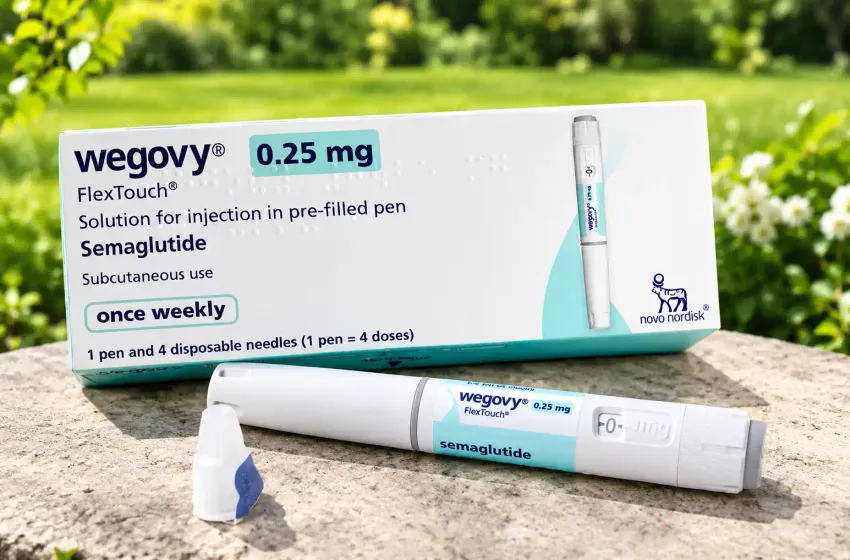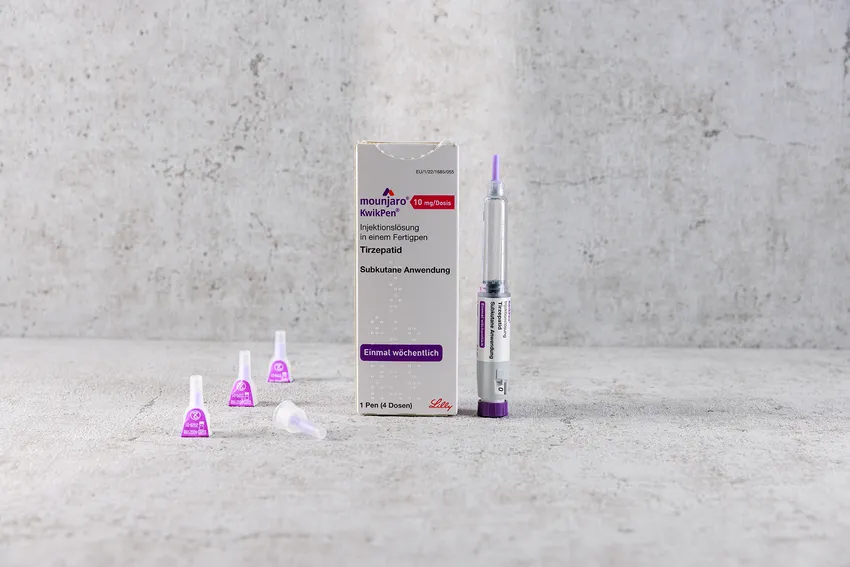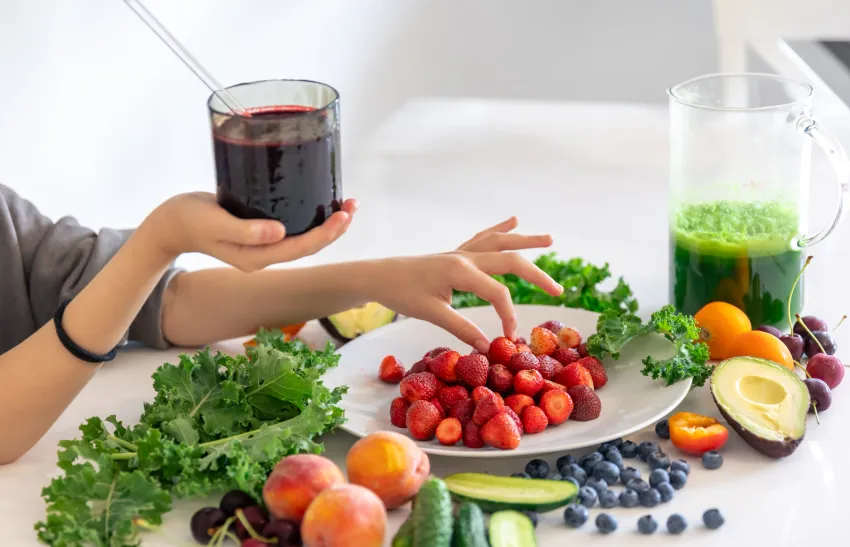
While taking weight loss medication, build every meal around protein first, then vegetables, then a slow-release carbohydrate. Aim for roughly 60g to 90g of protein a day, 30g of fibre, and 6 to 8 glasses of fluid. Keep portions small, eat slowly, and go easy on fried food, alcohol and fizzy drinks, since these tend to make nausea worse.
That is the shape of it. The detail is where people get stuck, so below I have set out what a day of eating actually looks like, how to handle the weeks when food loses its appeal, and the foods worth flagging to your pharmacist before you start. For more support, see our weight management service for practical guidance throughout your treatment.
Why Food Quality Still Matters During Treatment
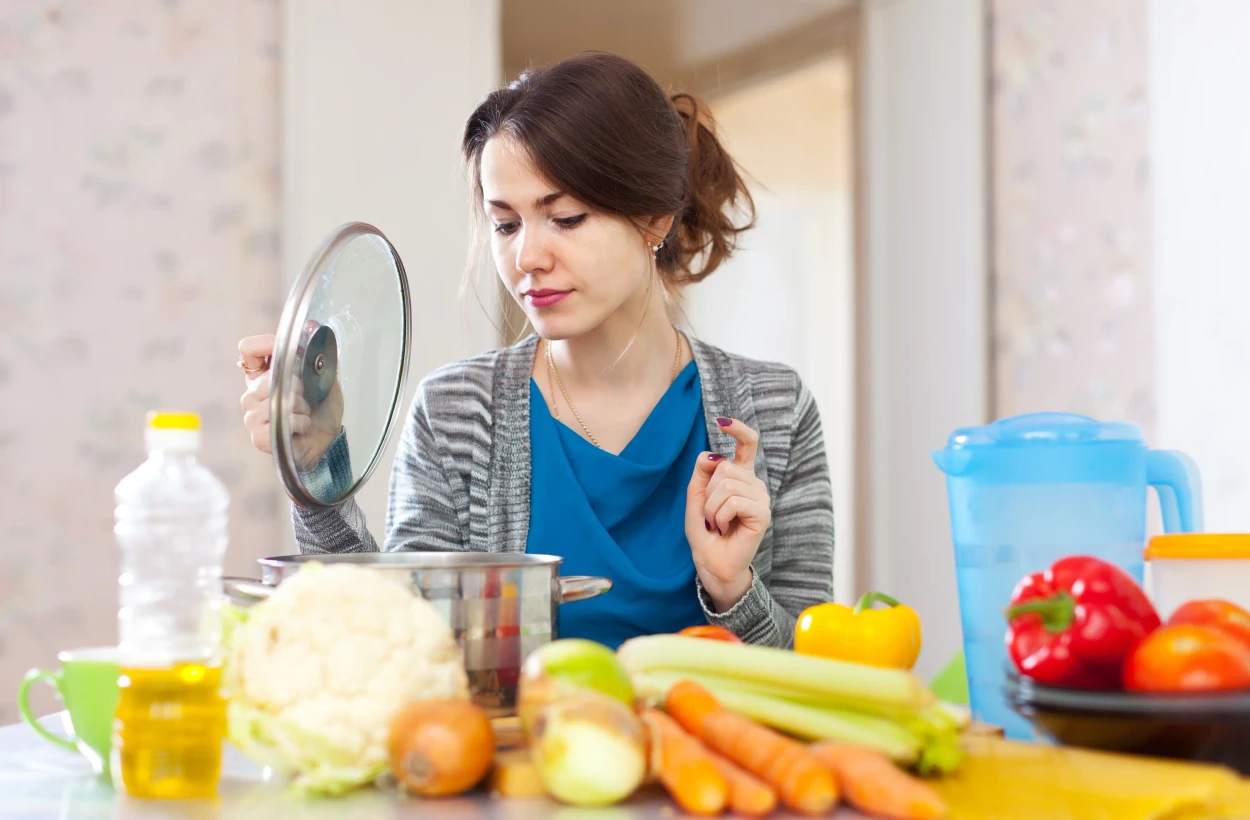
Medicines like tirzepatide and semaglutide reduce appetite by slowing how quickly the stomach empties and by acting on appetite signals in the brain. The weight comes off because you eat less. What they cannot do is decide what that smaller amount of food is made of.
This is the part I spend most of my consultation time on at the pharmacy. Someone eating 900 calories a day of toast, biscuits and tea will lose weight on the scales while losing muscle, energy and hair along the way.
Losing muscle is a real risk on these treatments. Studies of GLP-1 medicines suggest a meaningful share of the weight lost can come from lean tissue if protein intake drops and activity stays low. Muscle is what keeps your metabolic rate up, so protecting it protects your results after treatment ends.
There is also the practical matter of feeling well. Low iron, low B12 and poor hydration produce the same tiredness people often blame on the injection itself.
How to Build a Nutritionally Complete Meal
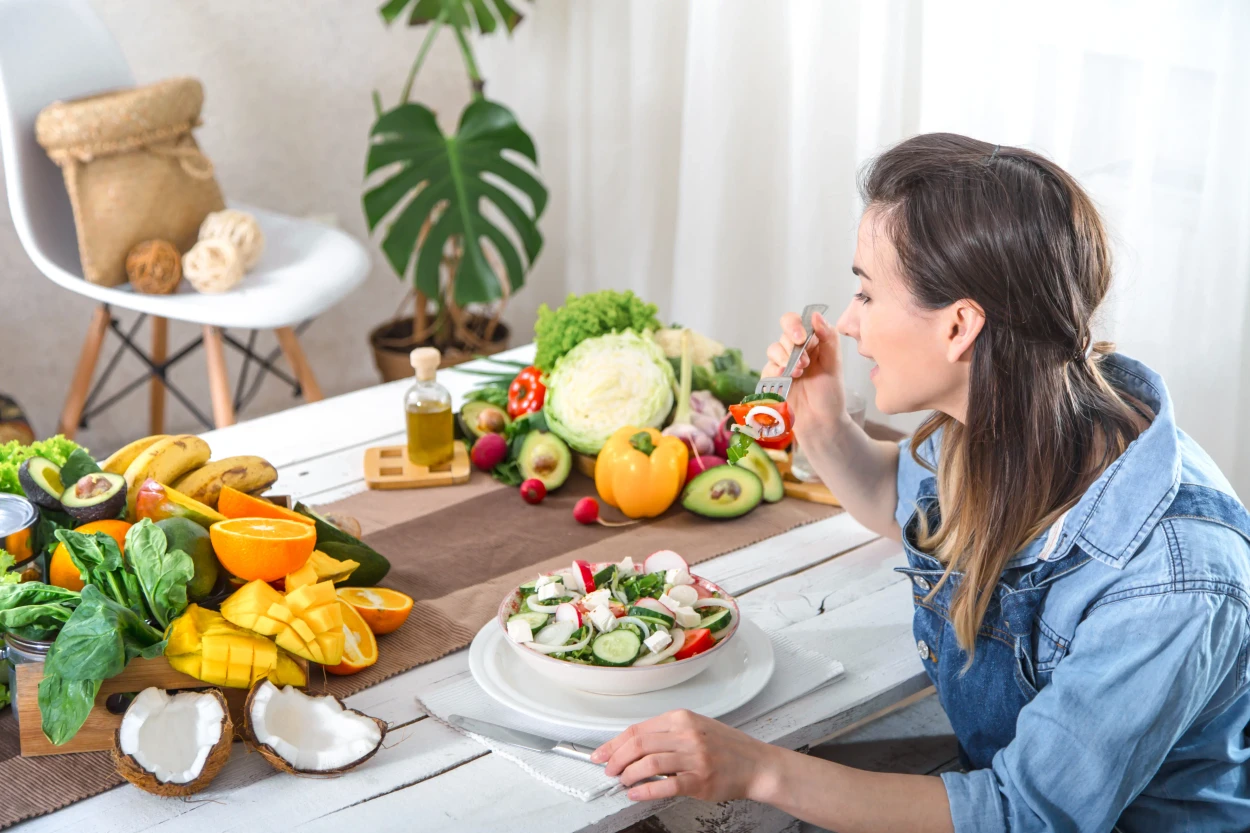
When appetite is suppressed, every mouthful has to earn its place. I suggest patients picture a side plate rather than a dinner plate, then fill it in this order.
Protein sources
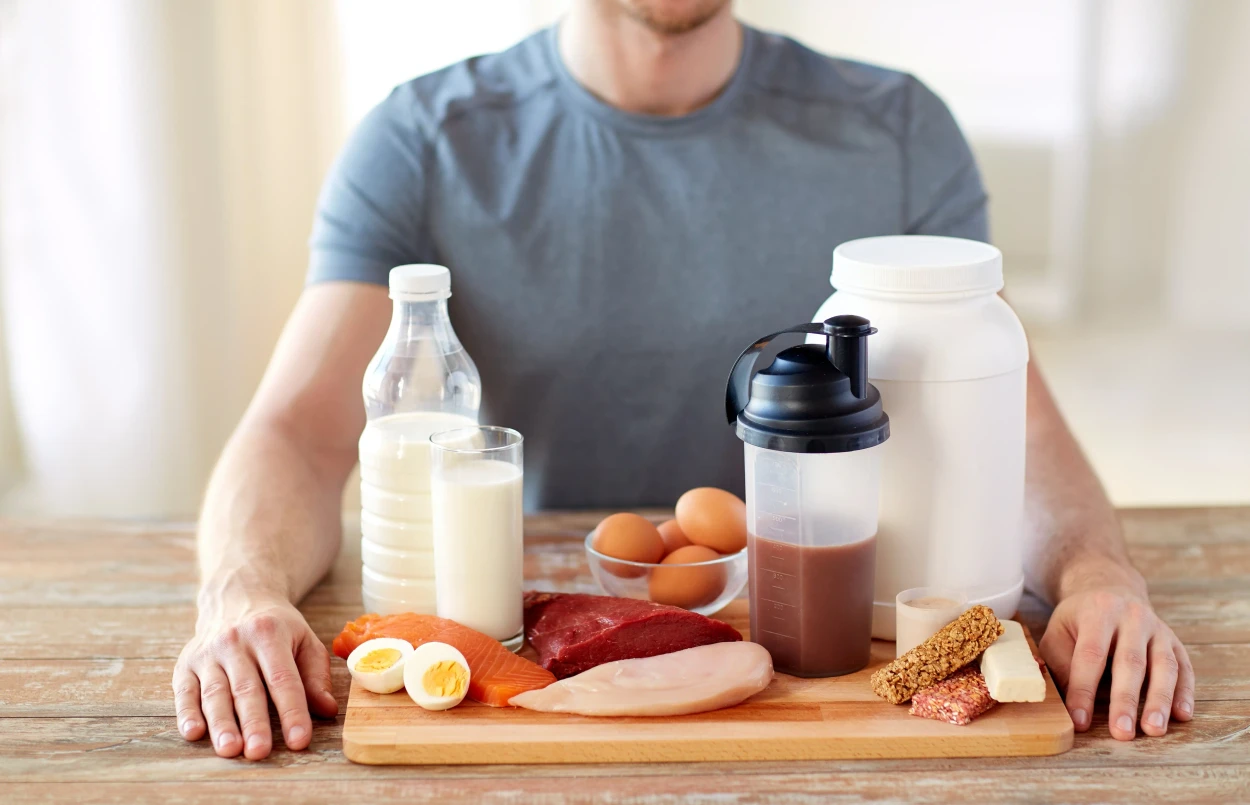
Put protein down first, before anything else on the plate. Chicken, turkey, white fish, salmon, prawns, eggs, Greek yoghurt, cottage cheese, tofu, tempeh, lentils, chickpeas and beans all work well.
Two eggs give about 12g. A palm-sized chicken breast gives roughly 30g. A 170g pot of Greek yoghurt gives around 17g.
If you cannot face a cooked meal, a whey or soya protein shake made with milk is a reasonable stand-in for one meal a day. It is not ideal long term, but it beats skipping the meal entirely.
Vegetables and fruit
Aim for something colourful at two meals a day rather than chasing five a day from day one. Cooked vegetables sit better than large raw salads when the stomach is emptying slowly.
Berries, kiwi, pears and oranges are useful because they bring fibre along with the sugar. Fruit juice does not, so keep it to a small glass if you have it at all.
Roasted peppers, courgettes, carrots and broccoli reheat well and take the pressure off cooking when you have no appetite.
Whole grains and other carbohydrate sources
Carbohydrate is not the enemy here, but the type matters more than it used to. Wholegrain bread, oats, brown rice, wholewheat pasta, quinoa, and potatoes with the skin on release energy slowly and carry fibre with them.
Portions will naturally shrink. Two tablespoons of rice alongside a decent piece of fish is a perfectly acceptable meal on this treatment.
White bread, pastries and sugary cereals tend to sit heavily and leave people hungry an hour later, which wastes the appetite you do have.
Dietary fats
You still need fat, just not a lot of it in one sitting. Olive oil, avocado, nuts, seeds and oily fish such as mackerel or sardines cover the essentials.
Large amounts of fat in a single meal are the most common trigger for nausea and reflux on these medicines. A takeaway curry or a full fried breakfast will often be the meal someone regrets.
Oily fish twice a week is worth the effort. If you do not eat fish, a small handful of walnuts or a tablespoon of ground flaxseed most days does a similar job.
The Role of Protein in Your Weight Loss Medication Diet
Most adults in the UK manage protein easily because they eat enough food overall. Cut intake by 40 per cent and protein is usually the first thing to fall.
A reasonable target is 1.0g to 1.5g of protein per kilogram of body weight, which lands most people between 60g and 90g a day. Spread it out. Around 25g to 30g at breakfast, lunch and dinner works better than one large evening meal.
Breakfast is where most people fall short. Toast and jam gives you about 5g. Swap in scrambled eggs, Greek yoghurt with seeds, or beans on wholegrain toast and you are at 15g to 20g before the day starts.
Pair the protein with some form of resistance work two or three times a week. Bands, bodyweight exercises or a couple of gym sessions are enough. This combination is the single best thing you can do to hold on to muscle.
Fibre and Digestive Health
UK guidance puts adults at 30g of fibre a day, and most of us manage closer to 20g. On weight loss medication that gap widens, which is one reason constipation is so common.
Oats, beans, lentils, wholegrain bread, chia seeds, pears with the skin on and cooked vegetables all help. Build up gradually. A sudden jump in fibre with no extra fluid makes bloating worse, not better.
Some patients do well with a gentle fibre supplement such as ispaghula husk, though it is worth a quick chat with your pharmacist first, particularly if you already take other medicines.
Hydration and Fluid Intake
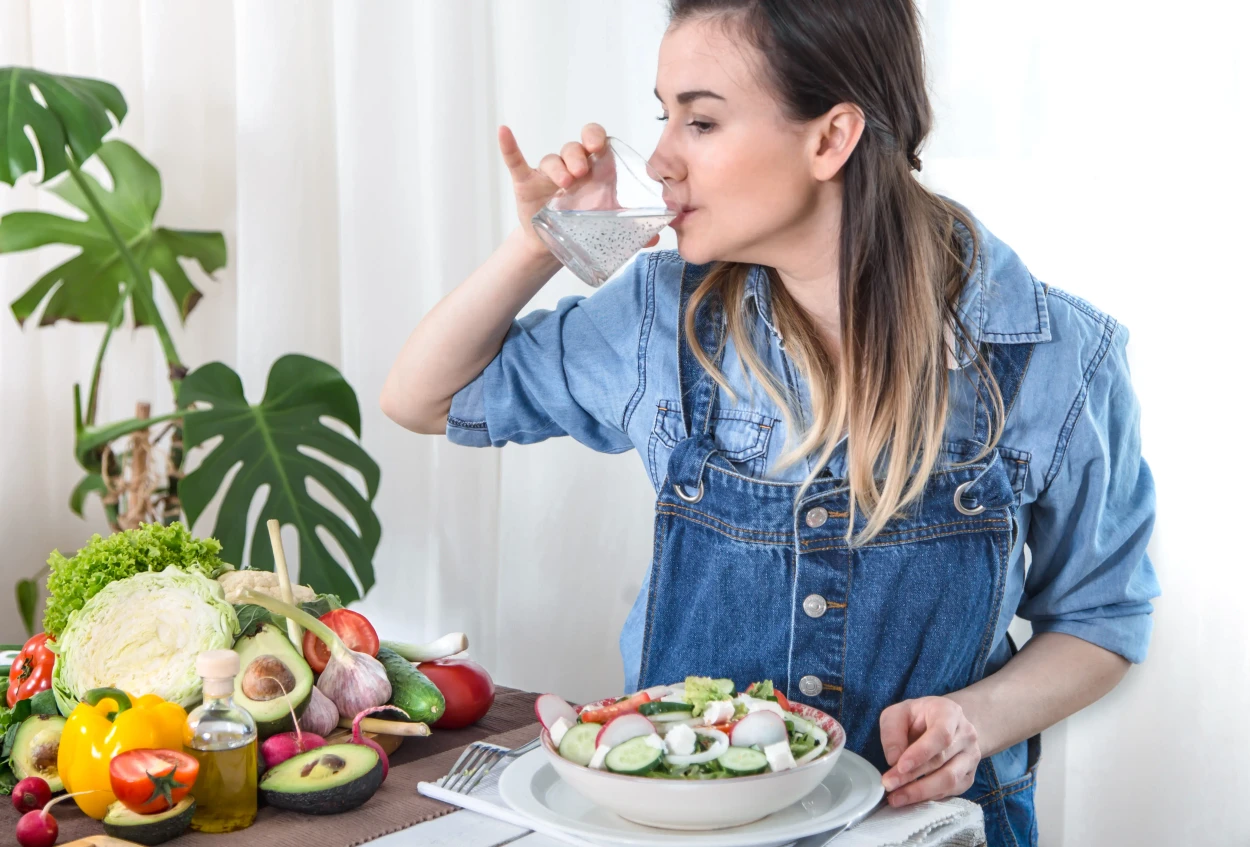
Thirst signals often fade along with hunger signals, so people drink less without noticing. The standard advice of 6 to 8 glasses a day still stands, and more in hot weather.
Water, milk, squash, herbal teas and unsweetened tea or coffee all count towards it. Fizzy drinks, including diet versions, tend to cause bloating and burping when the stomach is emptying slowly.
Sip through the day rather than drinking a large glass with meals. Filling a small stomach with liquid at mealtimes leaves no room for the food you actually need.
Eating When Appetite Changes
Appetite usually drops hardest in the first two or three days after a dose, then settles. Plan around that pattern instead of fighting it.
On the low days, switch to smaller and more frequent meals. Four small plates often work better than three proper ones. Soups with lentils or chicken, yoghurt, scrambled eggs and smoothies made with milk are all easier to get down.
Keep eating even when hunger has gone completely. Going 10 or 12 hours without food does not speed up weight loss and usually leads to dizziness and a poor night's sleep.
Food aversions are common and often specific. Chicken and coffee are the two things patients most often tell me they have gone off. If that happens, swap rather than force it.
Managing Nausea, Constipation, Diarrhoea, or Other Digestive Symptoms

Nausea responds best to smaller portions, slower eating and cutting back on fat. Dry, plain foods such as toast, crackers and plain rice tend to be tolerated. Ginger tea helps some people. Try not to lie down flat for an hour after eating.
Constipation needs fluid and fibre together, plus movement. A daily walk does more than most people expect. If nothing has shifted after three or four days, ask your pharmacist about a suitable laxative rather than waiting it out.
Diarrhoea usually settles within a few days of a dose change. Keep fluids up, use plainer foods for a day or two, and cut back on very fatty or very sugary items.
Sulphur burps and reflux often trace back to a large or fatty meal. Smaller portions and avoiding food two to three hours before bed usually sorts it.
Get in touch with your prescriber if vomiting stops you keeping fluids down, or if you develop severe stomach pain that goes through to your back. That last one needs same day medical attention.
What Should I Avoid Eating and Drinking
Nothing is banned outright, but a few things reliably cause trouble.
Fried and greasy food sits at the top of that list. Chips, battered fish, creamy sauces and pastry all slow stomach emptying further and bring on nausea.
Alcohol is the second. It irritates the stomach lining, adds calories with no nutritional return, and hits harder when you are eating far less than usual. UK guidance is no more than 14 units a week, and many patients find even that feels like too much during treatment.
Large portions of anything, even healthy food, will make you feel unwell. So will eating quickly. Put the fork down between mouthfuls and give your stomach time to catch up.
Also worth limiting: fizzy drinks, very sugary desserts, and high-fat takeaways on injection day.
Foods and Drinks to Discuss With Your Healthcare Professional
Bring these up at your review rather than working them out alone.
Oral contraceptives. If you are on tirzepatide, the manufacturer advises adding a barrier method or switching to a non-oral method for four weeks after starting and for four weeks after each dose increase. This one gets missed a lot.
Other oral medicines. Slower stomach emptying can change how some tablets are absorbed, including thyroid medication. Your pharmacist can check your full list.
Diabetes medication. If you take insulin or a sulfonylurea such as gliclazide, doses often need adjusting to avoid hypoglycaemia. Eating less while on the same dose is the risk here.
Herbal weight loss supplements and slimming teas. Many are unlicensed and some interact with prescription medicines. Bring the packet in and we will check it.
Very low calorie diets and meal replacement plans. Stacking one of these on top of medication rarely ends well and often leads to nutrient gaps.
If you are being treated in Medway and want your diet looked at properly, our weight management consultation at Chatham Pharmacy is free and takes about 20 minutes.
Frequently Asked Questions
The Bottom Line
Weight loss medication controls how much you eat. What you eat is still your decision, and it decides whether you finish treatment stronger or just smaller.
Protein at every meal, fibre built up slowly, fluid through the day, and portions small enough to sit comfortably. Keep fat and alcohol modest, particularly in the first days after a dose.
If symptoms are getting in the way of eating properly, speak to your pharmacist before you start skipping meals. Most digestive problems on these treatments have a straightforward fix.

Ready to book an appointment?
Same-week availability for most services. Book online or call us.