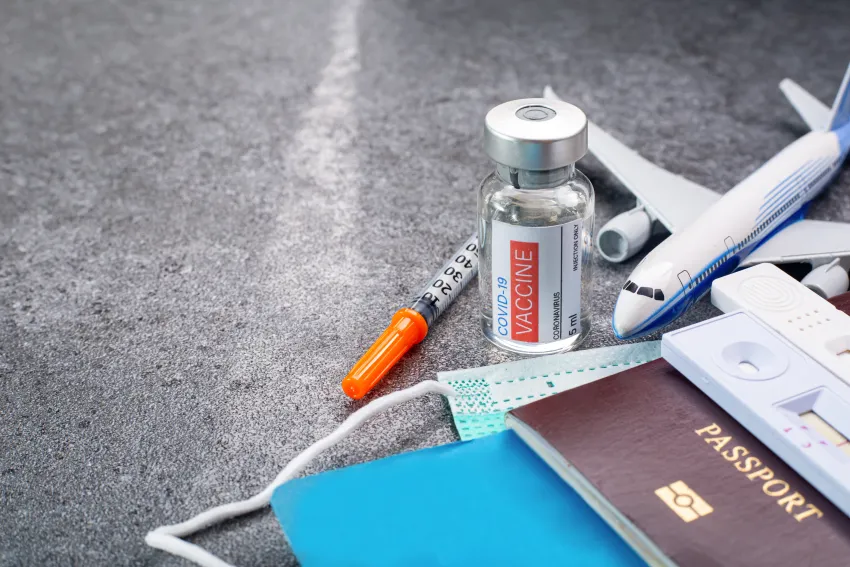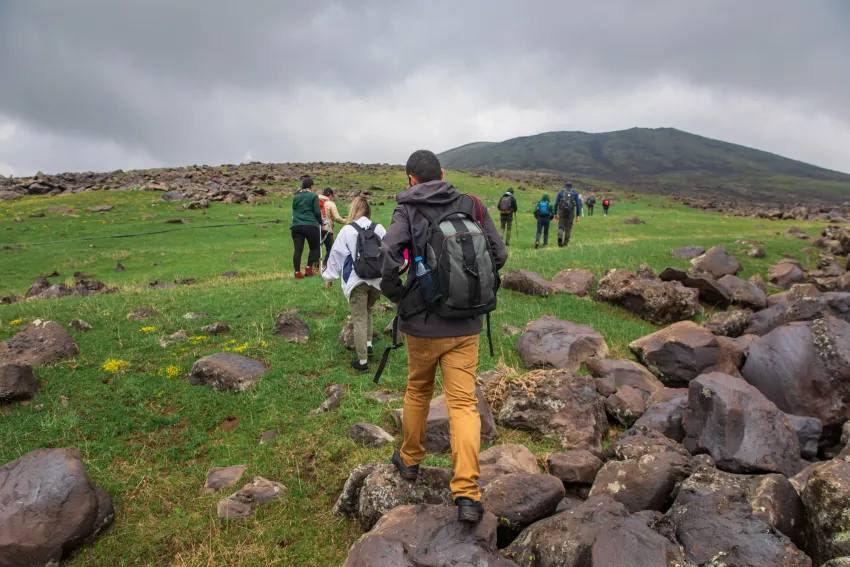
Most backpackers need their routine UK boosters plus hepatitis A and typhoid. Longer or rural routes usually add hepatitis B, rabies, Japanese encephalitis and yellow fever.
Book your travel vaccine 6 to 8 weeks before you fly, and earlier if you need a three-dose rabies course. The checklist below sets out what to book, when to book it, and which jabs the NHS still pays for.
Your Backpacker Vaccine Checklist at a Glance

Work down the list with your route in front of you.
Routine UK boosters
Two doses of MMR recorded
Tetanus, diphtheria and polio booster within the last 10 years
dTaP/IPV or Td/IPV booster if you are due one
Flu and COVID boosters if you are eligible
Core backpacker jabs
Hepatitis A
Typhoid
Hepatitis B for trips over a month, volunteering, tattoos or medical risk
Destination specific jabs
Rabies for rural, remote or long stays
Japanese encephalitis for rural Asia in the wet season
Yellow fever for parts of Africa and South America
MenACWY for the African meningitis belt, Hajj and Umrah
Cholera for aid work or outbreak areas
Tick-borne encephalitis for forested Europe and Asia
Malaria
Antimalarial tablets prescribed for your exact route
Bite kit packed: repellent, net, long sleeves
Admin
Yellow fever certificate in your passport wallet
Travel insurance covering your activities
A photo of your vaccine record saved offline
Not sure which column you fall into? Book a travel vaccination consultation in Chatham and we will build the list around your itinerary.
Why Backpackers Need More Jabs Than Package Holiday Makers
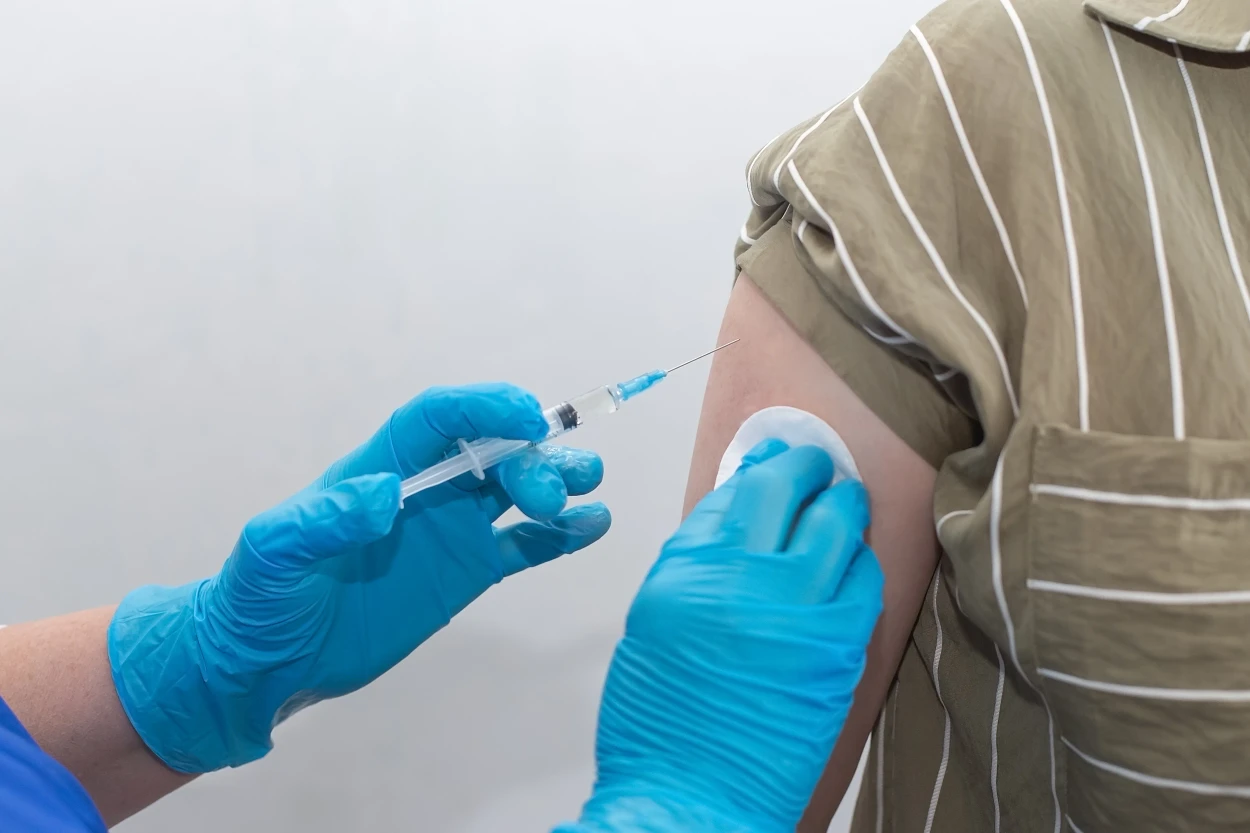
A two-week resort holiday and a five-month overland trip carry very different risks. Your list is longer because your exposure is longer and far less controlled.
Backpackers stay in shared hostels, eat street food daily and cross several borders on one trip. You also spend time well outside the reach of a good hospital.
Then there is animal contact. Stray dogs, monkeys at temples and bats in caves are all rabies risks that package tourists rarely meet.
Tattoos, piercings, and unexpected medical care abroad can raise blood-borne risks. Many travel sites overlook this important issue. None of this makes backpacking dangerous. It simply means your protection needs to match your route.
Routine Vaccines and Boosters to Check First
Before anything tropical, check your UK schedule. This is the part travellers most often get wrong.
Measles is the clearest example. UKHSA confirmed 2,680 laboratory-confirmed measles cases in England between January 2024 and October 2026 (including 1,022 in 2024, 1,180 in 2025, and 478 up to October 2026).
If you were born after 1970 and are unsure about your second MMR dose, ask your GP to check. Two doses protect around 99 percent of people.
Your tetanus, diphtheria and polio booster matters too. If your last dose was more than 10 years ago, you are due one, and it is free on the NHS.
Flu and COVID boosters are worth a thought if you are eligible, especially before long bus and flight legs. You can check the full UK schedule on the NHS vaccinations page.
More returning travellers come home with measles than with anything tropical. Start here, not with the rare stuff.
The Core Backpacker Vaccines
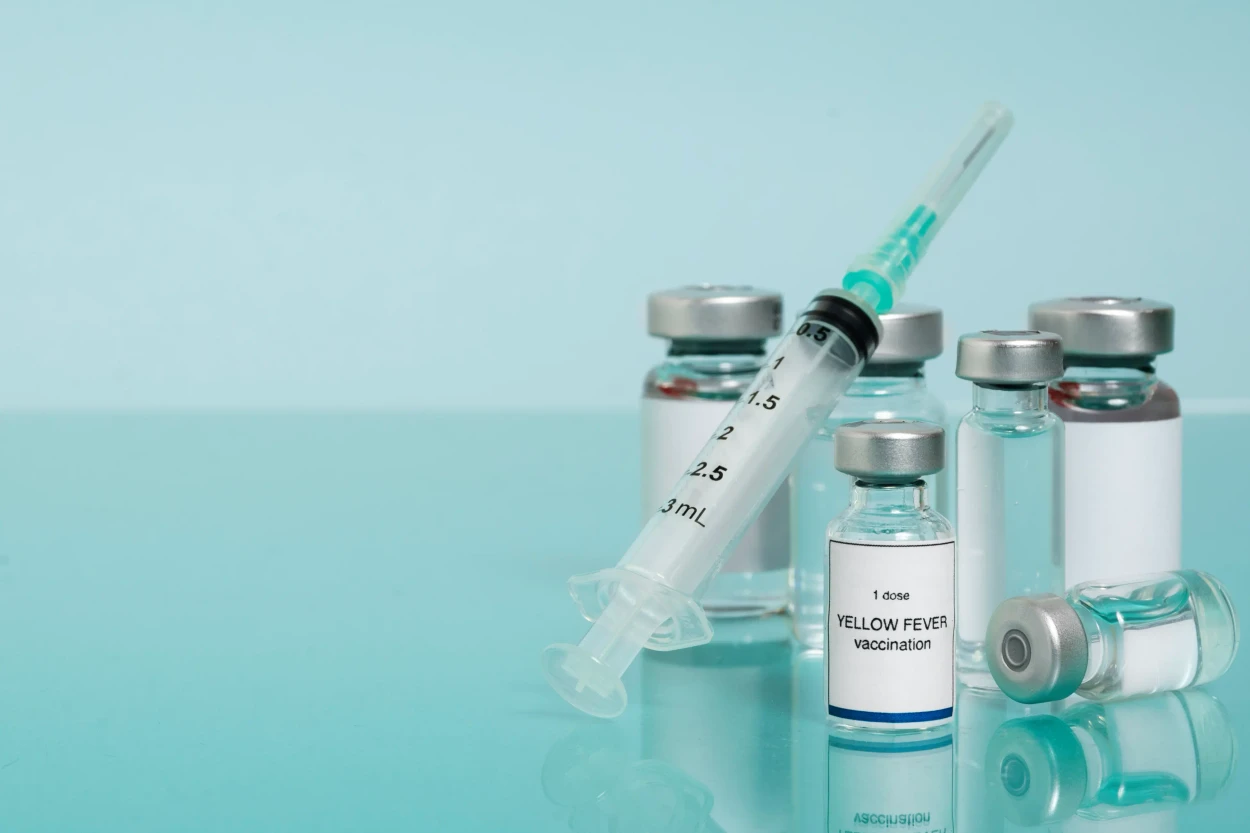
These are the jabs most backpackers end up having, whatever the exact route. Your clinician will confirm which apply after a risk assessment.
Hepatitis A
Spread through contaminated food and water, so street food and hostel kitchens both count. One dose protects for around a year.
A booster 6 to 12 months later extends that to at least 25 years. Free on the NHS from your GP.
Typhoid
Another food and water infection, and still common across South Asia. UKHSA recorded 287 travel-associated enteric fever cases between January and June 2026.
You can choose between a single injection that lasts about 3 years or a short oral course. The oral option is Vivotif, which includes 3 capsules. It protects for 1 to 3 years but needs a booster after 1 year if you stay in endemic areas. Both are free on the NHS.
Hepatitis B
Passed through blood and body fluids, including unsterile tattoo needles and dental work abroad. Worth having for trips over a month.
The standard course includes 3 doses at 0, 1, and 6 months. If time is tight, there's an accelerated option. This one has doses at 0, 7, and 21 days, plus a 4th booster at 12 months for long-term protection. This vaccine is available privately for travel.
Rabies
Rabies is almost always fatal once symptoms appear, which is why the bar for vaccinating backpackers is low. Dogs cause most cases.
The pre-exposure course is three doses on days 0, 7 and 21 to 28. An accelerated course (days 0, 3, and 7) is available under off-label PGD guidelines when travelling within 2 weeks.
Pre-exposure jabs do not replace treatment after a bite. They cut what you need afterwards from four doses plus immunoglobulin to two doses.
Japanese Encephalitis
A mosquito-borne brain infection found in rural rice-growing parts of Asia, mainly in the wet season. The risk for short urban trips is very low.
The course is two doses 28 days apart, or an accelerated schedule (days 0 and 7) for adults aged 18 to 65. UK supply was disrupted during 2026, so check stock early.
Yellow Fever
Required or recommended for parts of sub-Saharan Africa and South America. One dose provides lifelong protection for most people. However, booster doses are suggested for certain groups. This includes those who were pregnant or immunocompromised during their first vaccination, as well as anyone needing revaccination due to ongoing risk.
You can only get it from registered yellow fever centers. The International Certificate of Vaccination or Prophylaxis (ICVP) is valid 10 days after vaccination and lasts for life. Chatham Pharmacy is a registered centre.
Tetanus, Polio and Diphtheria
Covered by one combined booster, usually Revaxis. It lasts 10 years and is free on the NHS.
Dirty wounds are common on the road, from scooter grazes to cuts on coral. This is the quietest useful jab on the list.
Cholera and Other Situational Jabs
The cholera vaccine is not routine for backpackers. It is for aid workers, outbreak areas and people with limited access to clean water.
MenACWY is recommended for the African meningitis belt in the dry season and required for Hajj and Umrah pilgrims. Tick-borne encephalitis suits forest hiking and camping in central Europe, the Baltics and parts of Asia.
Vaccines at a Glance (Course, Timing, Protection)
Vaccine | Course (doses) | Book before travel | How long it protects | NHS-free or private | |||
Hepatitis A | 1 dose, booster at 6 to 12 months | 2 weeks | About 1 year, then at least 25 years after the booster | NHS free | |||
Typhoid |
| 2 weeks |
| NHS free | |||
Tetanus, diphtheria, polio | 1 combined booster | 2 weeks | 10 years | NHS free | |||
Cholera | 2 oral doses, 1 to 6 weeks apart | Finish 1 week before travel | Around 2 years in adults | NHS free at GP, private at most clinics | |||
Hepatitis B |
|
| Long term after a full course | Private | |||
Rabies | 3 doses on days 0, 7 and 21 to 28 | 4 weeks | No routine booster for most travellers, single booster if you return to risk after a year | Private | |||
Japanese encephalitis |
| 5 weeks standard, finish at least 1 week before exposure | Booster at 12 months if still at risk | Private | |||
Yellow fever | 1 dose |
|
| Private, registered centres only | |||
MenACWY | 1 dose | 2 weeks | Around 5 years | Private for travel | |||
Tick-borne encephalitis | 3 doses, accelerated schedules available | 4 to 8 weeks | Around 3 years, then boosters | Private |
Sources: NHS travel vaccination advice, UKHSA Immunisation against infectious disease (the Green Book) and NaTHNaC TravelHealthPro. Checked in October 2026. Schedules can change, so your pharmacist confirms the final plan at your appointment under applicable Patient Group Directions (PGDs).
Vaccines by Destination
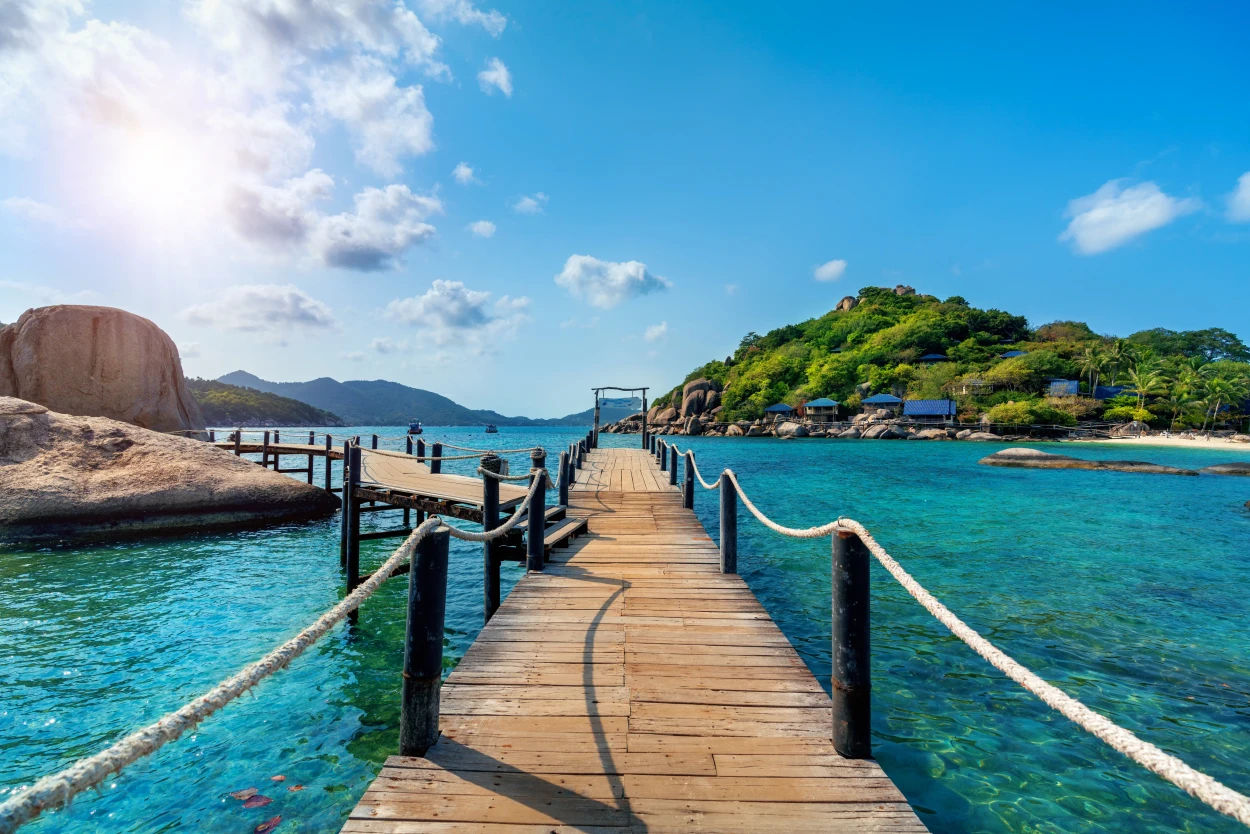
Your route decides the list. The split below is the one travel clinicians work to: commonly recommended, sometimes recommended, and occasionally required at the border.
Southeast Asia (Thailand, Vietnam, Cambodia, Indonesia, Laos)
Hepatitis A and typhoid are standard across the region. Rabies, hepatitis B and Japanese encephalitis come in for longer trips, rural stays and wet season travel.
There is no yellow fever risk in Southeast Asia. Several of these countries still ask for proof of vaccination if you arrive from or transit for over 12 hours through a yellow fever country.
South and Central America (Peru, Brazil, Colombia, Bolivia)
Hepatitis A and typhoid again form the base. Yellow fever is recommended or required for the Amazon basin and much of the region, so check each country separately.
Rabies is worth it for rural and jungle stretches. If your route climbs to Cusco, La Paz or the Salkantay trail, altitude sickness needs its own plan, and no vaccine covers it.
Africa (Kenya, Tanzania, Ghana, Uganda)
This is usually the heaviest list. Hepatitis A and typhoid as standard, yellow fever commonly required at the border, and rabies plus hepatitis B for longer stays.
MenACWY is recommended for the meningitis belt during the dry season, roughly December to June. Malaria risk here is high and deserves equal attention to the jabs.
India and South Asia
Hepatitis A and typhoid are close to essential. Drug-resistant typhoid strains in the region make vaccination and food care more worthwhile, not less.
Hepatitis B and rabies are common additions for longer trips. Travellers visiting friends and relatives are a known risk group, because childhood exposure in a home country does not carry lifelong protection.
Malaria: Why There's No Jab (and What to Take Instead)
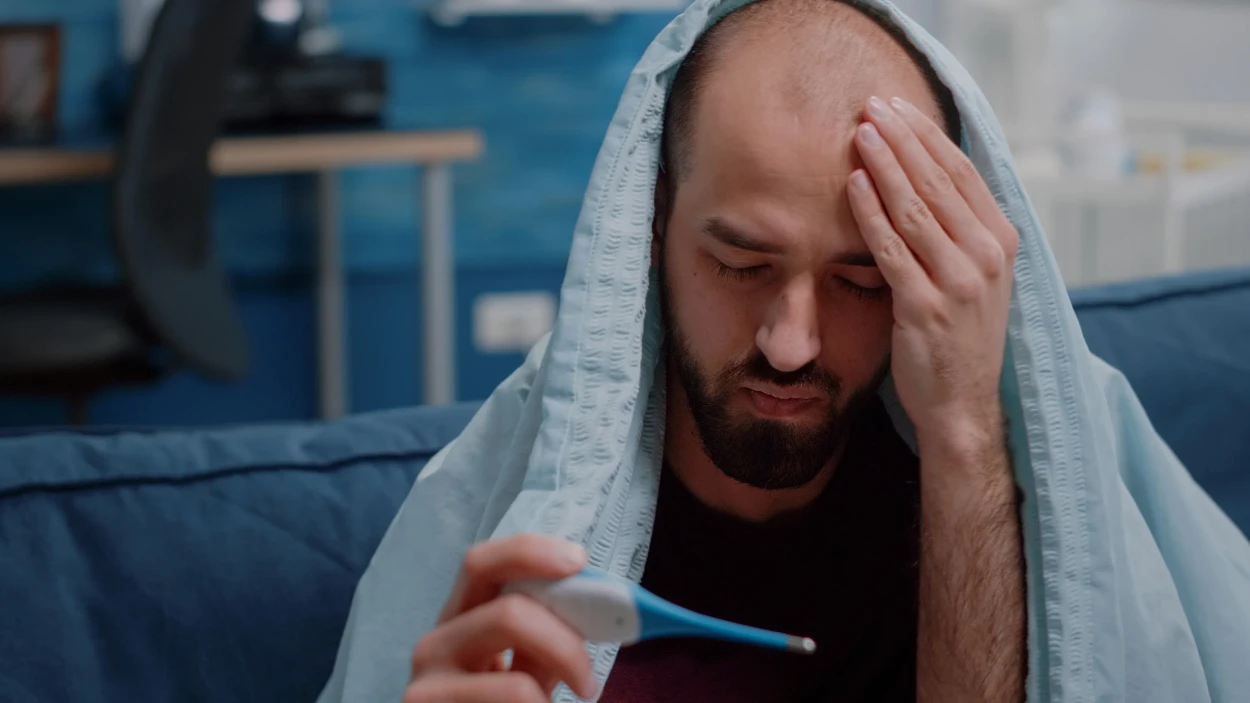
Malaria is not on your vaccine list because there is no travel vaccine for it. The childhood vaccines rolled out in Africa are not for travellers.
The numbers are not small. UKHSA recorded 2,002 imported malaria cases in the UK in 2023, 1,812 in 2024, and 1,629 in 2025, with deaths reported most years.
Protection comes from two things working together. The first is antimalarial tablets, usually atovaquone with proguanil or doxycycline, both prescription only.
Which one suits you depends on your route, trip length, other medicines and medical history. Your prescriber chooses, and the dosing schedule differs between them.
The second is bite avoidance, which travellers underrate. Use a repellent containing 50 percent DEET, sleep under a treated net and cover up from dusk to dawn.
UKHSA published updated malaria prevention guidelines in June 2026, and country advice shifts year to year. Ask at your consultation rather than reusing a friend's old prescription.
Travel Documents and Vaccination Certificates
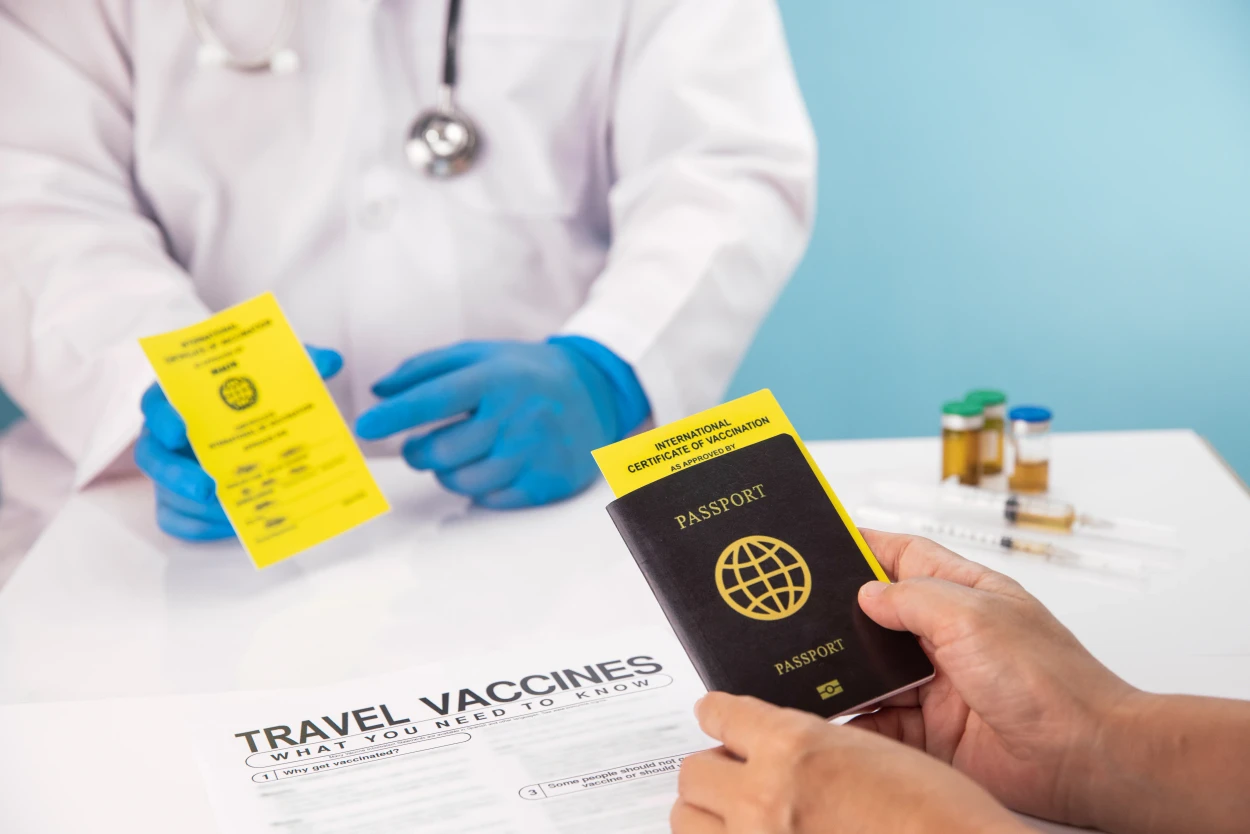
Keep a written or digital record of every jab, with dates. Clinics abroad will ask, and so will your clinic back home if you need a booster mid-trip.
The yellow fever International Certificate of Vaccination or Prophylaxis (ICVP) is the primary border document. It becomes valid 10 days after vaccination and lasts for life for most travellers.
Carry the paper copy. Border officials in several countries will not accept a photo on your phone.
If you cannot have the yellow fever vaccine for medical reasons, a registered centre can issue an exemption letter. Arrange it well before you fly.
Hajj and Umrah pilgrims need proof of MenACWY vaccination, usually within the last three years. Check the current Saudi requirements before booking.
Where to Get Your Travel Vaccines (and What's Free on the NHS)
You have three routes in the UK: your GP surgery, a pharmacy travel service, or a private travel clinic.
Four travel vaccines are free on the NHS from a GP practice. They are hepatitis A, typhoid, cholera and polio, given as the combined tetanus, diphtheria and polio booster.
They are free because those diseases pose the greatest public health risk if brought back into the country. Everything else is private, whoever gives it.
Not every GP practice runs a travel service, and stock often needs ordering in. Appointment waits can also eat into your 6 to 8 week window.
A pharmacy travel clinic tends to be quicker and can usually do the whole list in one or two visits. At Chatham Pharmacy, most travel vaccines start from £50, with yellow fever at £75, rabies at £85, cholera at £80, tick-borne encephalitis at £65 and Japanese encephalitis at £110.
If you have time, a sensible plan is to get the free four at your GP and book the rest privately. If you are inside six weeks, one clinic appointment is usually the better call.
Other Health Essentials for Backpackers
Travel insurance is the big one. Check that it covers your actual plans, including scooters, diving, trekking above 3,000 metres and any pre-existing conditions.
Pack a basic kit: plasters, antiseptic, rehydration sachets, painkillers, antihistamines and a thermometer. Buy your repellent at home, since 50 percent DEET is harder to find abroad.
Standby antibiotics for travellers' diarrhoea can be prescribed for remote routes. That is a clinician decision, made at your consultation rather than bought over a counter.
Stick to the food and water basics. Bottled or treated water, no ice of unknown origin, and food served hot rather than sitting out.
Finally, keep bite avoidance going all day. Dengue mosquitoes bite in daylight. A live attenuated dengue vaccine (Qdenga) is available in the UK for those aged 4 and older who have had a confirmed dengue infection. It's given in 2 doses, 3 months apart, through a PGD or prescription. However, bite prevention is still crucial for all travelers.
Book Your Backpacker Travel Consultation

Bring your route, your dates and any old vaccine records. We will go country by country, check what you already have, and give you a written plan with costs before anything is given.
Chatham Pharmacy is a registered yellow fever vaccination centre, so certificates are issued on site. Our lead pharmacist has extensive training in travel medicine. They also have over 10 years of clinical experience, helping Hajj and Umrah travelers.
Chatham Pharmacy and Travel Clinic 139 New Road, Chatham, Kent, ME4 4PT Phone: 01634 404142 Email: pharmacy.fe813@nhs.net Opening hours: Monday to Friday, 9:00 to 18:15, closed 13:00 to 14:15 for lunch. Closed Saturday and Sunday.
Book your travel consultation online or call us. We see travellers from across Medway, including Gillingham, Rochester, Rainham, Strood and Walderslade.
If you fly in under six weeks, still call. Accelerated schedules exist for several vaccines, and partial protection beats none.
Frequently Asked Questions
Conclusion
Start with your UK routine schedule, especially MMR and your tetanus, diphtheria and polio booster. Add hepatitis A and typhoid as the backpacker baseline.
Then build on top of that based on your route, trip length and how rural you plan to get. Rabies, hepatitis B, Japanese encephalitis and yellow fever are the usual additions.
Remember that malaria needs tablets and bite avoidance rather than a jab. Four vaccines remain free on the NHS, and the rest are private wherever you go.
Give yourself 6 to 8 weeks. One consultation with your full route in hand replaces hours of second-guessing which jabs you actually need.

Ready to book an appointment?
Same-week availability for most services. Book online or call us.