Seasonal Travel Vaccine Guide: Which Jabs You Need and When

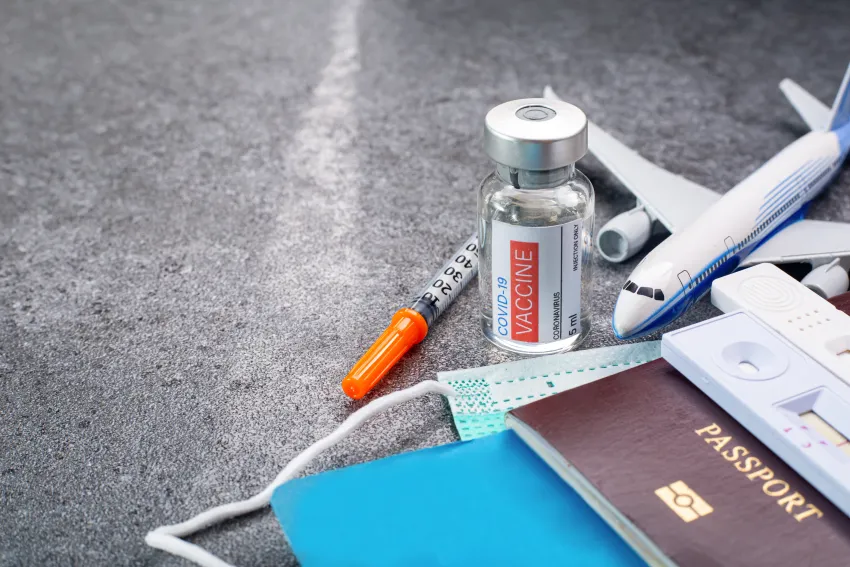
Travel vaccines depend on when you travel, not just where. Wet and monsoon seasons raise mosquito-borne risks like dengue, malaria and Japanese encephalitis. The sub-Saharan dry season from December to June raises meningococcal meningitis risk. Southern Hemisphere flu season runs from April to September, so a UK summer trip to Australia or Chile lands mid-flu-season.
Book travel vaccinations at least 6 to 8 weeks before departure, and 3 to 4 months ahead for multi-dose courses.
Most travel advice stops at the destination.
The guide below maps the whole calendar, so you can see exactly what to prioritise for your travel dates.
Why the Season You Travel In Changes the Jabs You Need
Two people can fly to the same country six months apart and need different protection. Rainfall, dust, temperature and crowd patterns all shift disease risk across the year.
Travel to Thailand in July and you land in monsoon season, when mosquito numbers climb sharply. Travel to northern Nigeria in February and you are in the dry-season meningitis window. Fly to Sydney in August and you arrive in their flu season while the UK is in summer.
None of this changes your routine jabs. It changes which extras matter most, and how early you need to book your travel vaccinations in Chatham.
Seasonal Risk at a Glance
Season or period | Main raised risks | Vaccines and precautions to prioritise | |
Wet / monsoon season (varies by region) | Dengue, malaria, Japanese encephalitis, chikungunya, Zika, waterborne illness | Japanese encephalitis vaccine (2 doses, 28 days apart) for rural or prolonged stays, antimalarial tablets, strict bite avoidance, hepatitis A and typhoid | |
Dry season, sub-Saharan meningitis belt (roughly December to June) | Meningococcal meningitis, dust-related respiratory irritation | Meningococcal ACWY vaccine (valid for 5 years), routine boosters, eye and airway protection in dusty conditions | |
Northern Hemisphere winter (October to March) | Seasonal flu, RSV, COVID-19, crowded airports and transit | Flu vaccine, COVID-19 booster if eligible, RSV vaccine for adults aged 75 to 79 and eligible risk groups | |
Southern Hemisphere winter (April to September) | Flu season in Australia, New Zealand, southern Africa, South America | Flu vaccine timed to the destination, not the UK calendar | |
Tropics, all year | Flu circulates year-round with no clear peak | Flu vaccine worth discussing regardless of month | |
Mass gatherings and peak travel (Hajj, Umrah, summer holidays, Christmas, major events) | Meningococcal disease, measles, flu, respiratory spread | Meningococcal ACWY (mandatory for Hajj and Umrah), two doses of MMR, flu vaccine |
Sources: NaTHNaC TravelHealthPro country and factsheet guidance, UKHSA Green Book immunisation chapters, WHO seasonal influenza and meningococcal surveillance, and Saudi Ministry of Health Hajj health requirements.
Wet and Monsoon Season: Mosquito-Borne Disease Risk
Standing water after heavy rain gives mosquitoes somewhere to breed. Numbers build through the rains and often peak just after them, which is why the post-monsoon weeks matter as much as the downpours.
In South and Southeast Asia the main monsoon runs roughly June to October. Southern India and Sri Lanka get a second wet spell from October to December. Much of West Africa is wet from May to October, while parts of South America and the Caribbean peak between June and November.
What is actually preventable by vaccine
Japanese encephalitis has a vaccine, given as a short course of more than one dose. It is usually recommended for rural stays, longer trips, and travel during or just after the rice-growing and rainy season.
Dengue has a licensed live vaccine in the UK, Qdenga, given as a 2-dose schedule spaced 3 months apart. Current UK advice limits it to people aged 4 and over with previous confirmed dengue infection. Because Qdenga is a live attenuated vaccine, it is contraindicated in individuals with severe immunodeficiency or immunosuppression, as well as pregnant and breastfeeding individuals.
What is tablets, not jabs
Malaria has no vaccine for UK travellers. Protection comes from antimalarial tablets, started before you go and continued after you return.
Your pharmacist matches the tablet to your destination, your trip length and your medical history. Resistance patterns differ between regions, so the right choice for Ghana is not the right choice for Thailand.
What has no vaccine at all
Chikungunya, Zika and most dengue cases come down to bite avoidance. Use a repellent containing 50 percent DEET, cover arms and legs at dawn and dusk, and sleep under a treated net where rooms are not screened. Pregnant women are strongly advised to avoid travel to areas with active Zika transmission due to the risk of microcephaly and severe congenital neurological complications.
Dengue mosquitoes bite during the day. That catches people out, because they only apply repellent in the evening.
Dry Season: Meningitis and Other Raised Risks
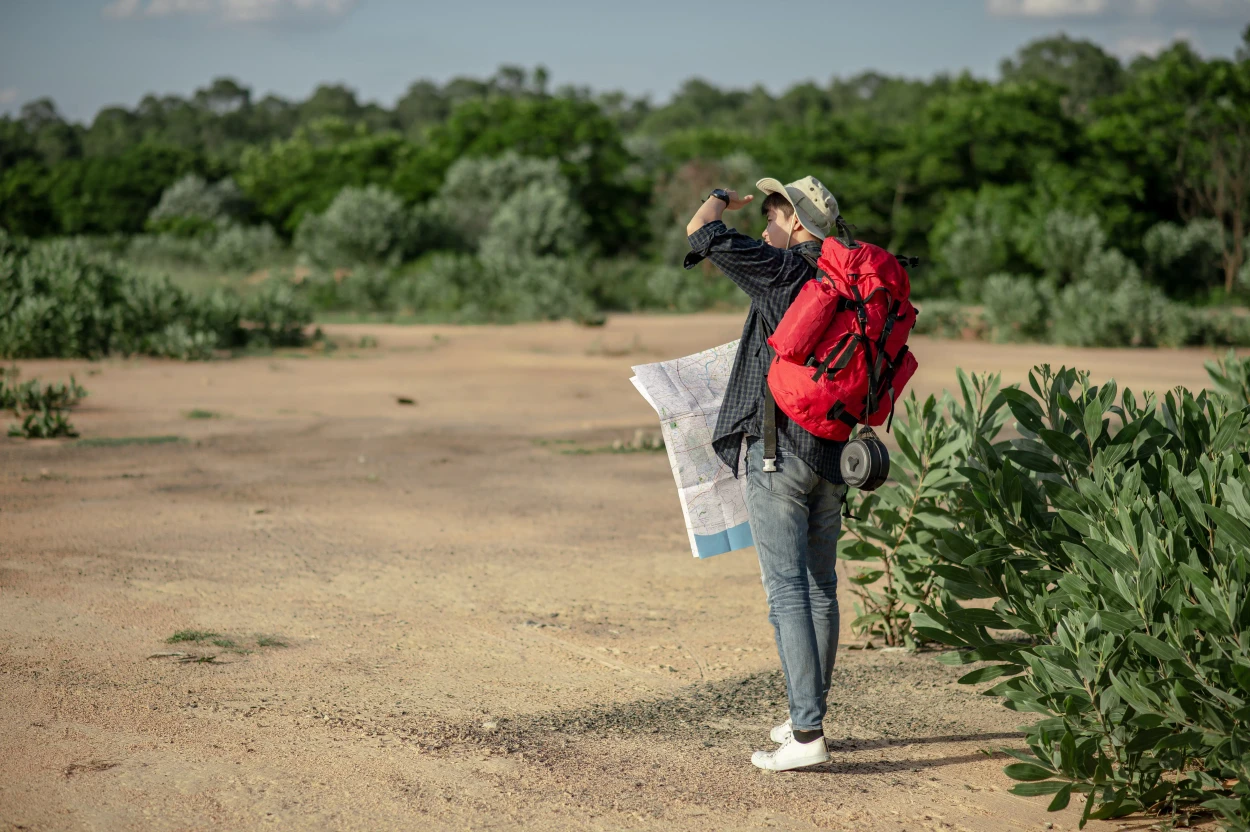
The African meningitis belt stretches from Senegal across to Ethiopia. Outbreaks cluster in the dry season, roughly December to June, and tail off once the rains arrive.
Dry, dusty air and cool nights irritate the throat lining and make transmission easier. Crowded indoor sleeping during cold desert nights adds to it.
Meningococcal ACWY vaccination is advised for travellers to belt countries during this window, particularly for longer stays, backpacking, or anyone living and working closely with local people. Short business trips to air-conditioned city hotels carry much lower risk.
Harmattan dust between December and February also aggravates asthma and sinus problems. If you use an inhaler, take enough with you and keep it in hand luggage.
Flu Season Works on Two Calendars
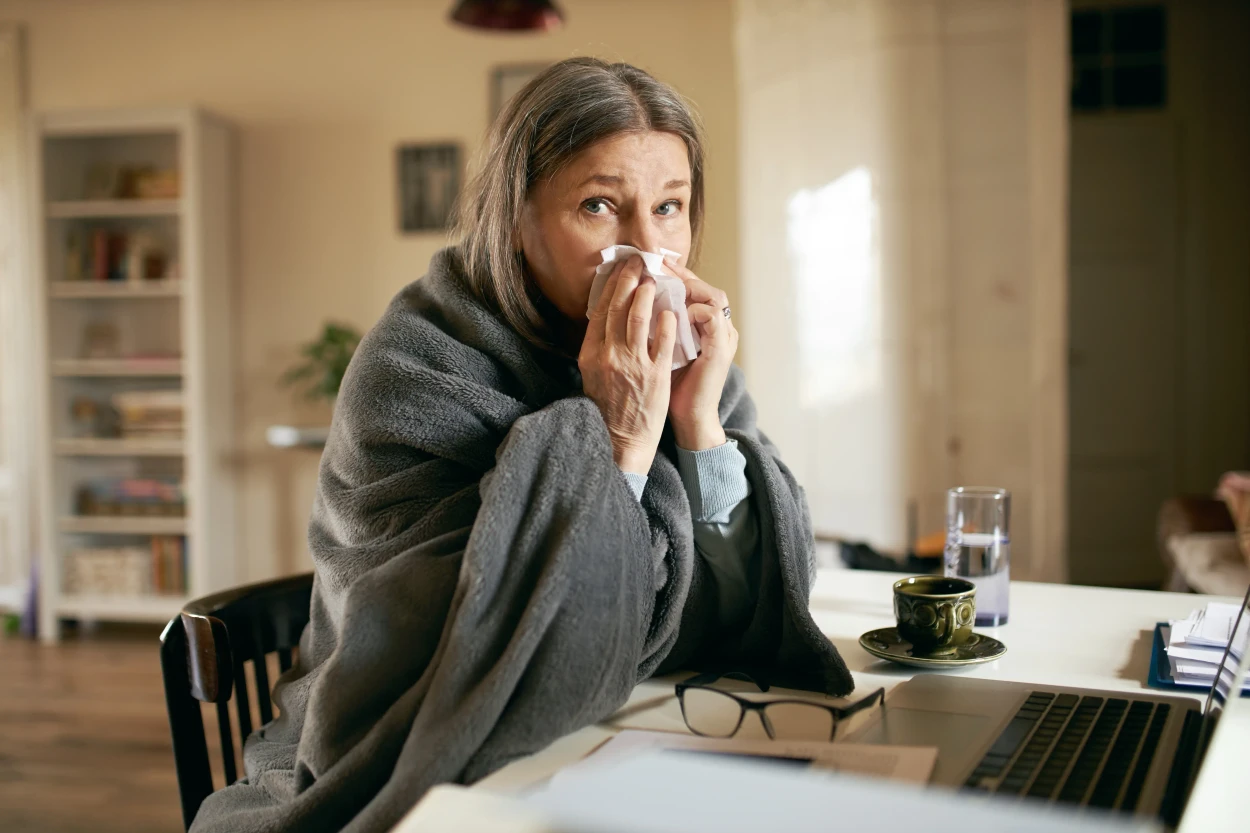
This is the point most travellers miss entirely. Influenza is seasonal in both hemispheres, but the seasons are six months apart.
Northern Hemisphere flu season runs October to March. Southern Hemisphere flu season runs April to September. In the tropics, flu circulates all year with no reliable off-season.
So a UK family flying to Australia, New Zealand, Argentina or South Africa in July is travelling into peak flu season. Many of them have not had a flu jab since the previous winter, if at all.
The practical advice is simple. Time your flu vaccine to your destination's season, not the UK's, and have it at least two weeks before you fly.
Long-haul flights and packed terminals also spread RSV and other respiratory viruses. Older travellers aged 75 to 79 and eligible clinical risk groups should ask whether an RSV vaccine is appropriate before a long trip.
Peak Travel Seasons and Crowd-Linked Illness
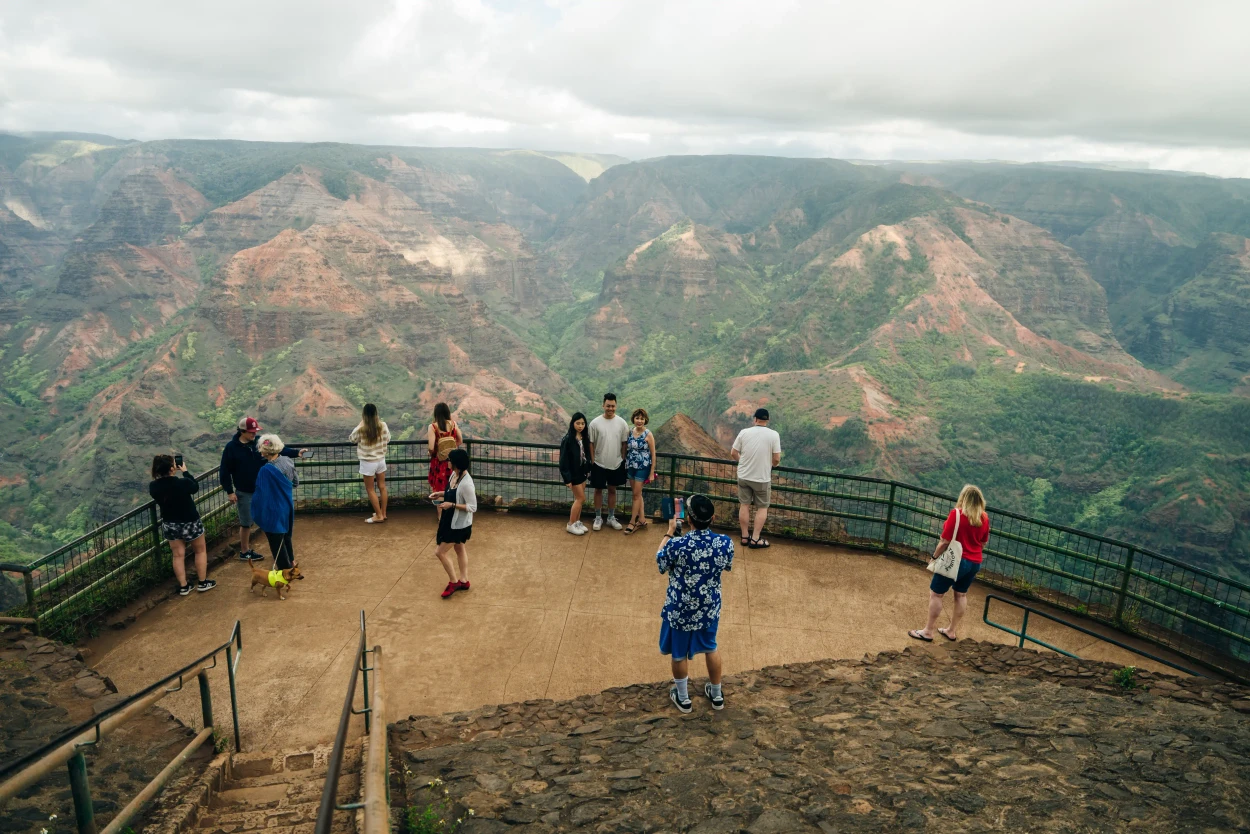
Crowds change the risk picture on their own, separate from climate. School holidays, religious pilgrimage and large events all put people in close contact for days at a time.
Measles is the clearest current example. UKHSA recorded a significant surge of over 800 confirmed cases in England in recent surveillance periods, including two child deaths, with Europe seeing its worst year in decades.
Measles spreads before a rash appears, and airports are ideal conditions for it. Two documented doses of MMR protect around 99 percent of people, and catch-up doses are available at any age.
Hajj and Umrah
A quadrivalent meningococcal ACWY certificate is mandatory for entry to Saudi Arabia for Hajj and Umrah. The dose must be given at least 10 days before arrival and is valid for 5 years.
A single dose of quadrivalent meningococcal ACWY conjugate vaccine provides protection and certification valid for 5 years. Flu, COVID-19 and polio vaccination are also advised or required depending on your country of origin and health status.
The Islamic calendar follows the lunar year, so Hajj shifts approximately 10 to 11 days earlier each year on the Gregorian calendar. That puts it across varying seasonal weather conditions alongside heavy crowding, so climate planning matters as much as the jabs.
When to Book: Timing Jabs Around Your Trip and the Season
A realistic timeline keeps your options open. Leave it late and you may lose access to courses that cannot be rushed.
6 to 8 weeks before travel. The standard window for most travellers. Enough time for single-dose vaccines to take effect and for courses to be started.
3 to 4 months before travel. Recommended for multi-dose courses with extended intervals such as the dengue vaccine (Qdenga, 2 doses 3 months apart) and standard 3-dose hepatitis B schedules (0, 1, 6 months). Accelerated rabies schedules (2 doses 7 days apart) and Japanese encephalitis (2 doses 28 days apart) can be completed in 1 to 6 weeks depending on the vaccine type.
10 days before travel, at the absolute minimum. The hard cut-off for Hajj and Umrah meningococcal certificates, and the point at which yellow fever certificates become valid.
Now add the seasonal layer. If you are travelling during monsoon season, the meningitis-belt dry season, Hajj, or the UK summer holidays, book earlier than the standard window.
Travel clinic appointments fill fast in May, June and July. Vaccine stock also moves quickly in peak periods, so an early booking protects your schedule.
Last-minute trip? Still come in. A single dose of several vaccines gives useful protection, and accelerated schedules exist for some courses.
Season-by-Season Quick Reference
Travelling in Spring (March to May)
You are catching the tail of the meningitis-belt dry season across the Sahel, so ACWY still matters for West and Central Africa. Southern Hemisphere flu season begins in April, and the first wet spells start in parts of South and Southeast Asia.
Travelling in Summer (June to August)
Peak UK holiday season, so book early. Monsoon is in full swing across South and Southeast Asia, Southern Hemisphere flu season is at its height in Australia and South America, and Hajj falls in this broad window. Check MMR before any European or long-haul family trip.
Travelling in Autumn (September to November)
Northern Hemisphere flu season starts, so get your flu jab before you fly. Post-monsoon dengue numbers often peak in Asia during these months, and the dry season begins across parts of the Sahel towards November.
Travelling in Winter (December to February)
Northern Hemisphere flu peaks alongside Christmas travel crowding, which raises flu, measles and RSV exposure. The meningitis-belt dry season is well underway. Conditions are good for dry-season trips to India, Southeast Asia and East Africa, with lower mosquito activity in many areas.
Vaccines That Don't Depend on the Season
Seasonal thinking is a layer on top of the basics, not a replacement for them. These apply whatever month you fly.
Routine boosters. Tetanus, diphtheria and polio cover should be current, usually a booster every 10 years for travel. MMR matters year-round given measles activity in the UK and Europe.
Food and water vaccines. Hepatitis A and typhoid risk comes from contaminated food and water, which happens in every season. These are among the most commonly recommended travel vaccines for South Asia, Africa and parts of South America.
Entry requirements. Yellow fever certificate rules are set by country, not by calendar. If your route requires one, you need it regardless of when you travel.
Longer-stay vaccines. Rabies, hepatitis B and tick-borne encephalitis depend on activity and duration rather than season, although tick-borne encephalitis risk does rise in spring and summer in affected parts of Europe.
Book Your Seasonal Travel Health Consultation

Our travel clinic in Chatham reviews your destination, your travel dates and your medical history together. That means you get advice built around the season you are actually travelling in, not a generic country checklist.
We are a registered Yellow Fever Vaccination Centre and issue International Certificates of Vaccination or Prophylaxis. We also provide specialist guidance for Hajj and Umrah travellers.
Chatham Pharmacy and Travel Clinic 139 New Road, Chatham, Kent, ME4 4PT Phone: 01634 404142 Email: pharmacy.fe813@nhs.net
Opening hours Monday to Friday: 9:00 to 18:15 (closed 13:00 to 14:15 for lunch) Saturday and Sunday: Closed
Book your travel consultation online
We see travellers from across Medway, including Gillingham, Rochester, Rainham, Strood, Brompton, Walderslade, Lordswood, Hempstead, Cuxton and Hoo St Werburgh.
Frequently Asked Questions
Conclusion
Season shapes travel health risk as much as destination does. Wet seasons raise mosquito-borne disease, the sub-Saharan dry season raises meningitis risk, and flu runs on opposite calendars in each hemisphere.
Peak travel periods and mass gatherings add person-to-person spread, with measles and meningococcal disease the main concerns. Routine boosters, hepatitis A and typhoid stay relevant whatever month you fly.
Book 6 to 8 weeks ahead as standard, and 3 to 4 months ahead for multi-dose courses or high-season travel. A consultation that covers both your destination and your travel dates gives you the right protection, in the right order, with time to spare.
Ready to book an appointment?
Same-week availability for most services. Book online or call us.