How to Break a Weight Loss Plateau on Mounjaro


A Mounjaro weight loss plateau is four or more weeks with no change on the scales. It usually happens because your smaller body burns fewer calories now. This change is not due to the medication stopping its effect. You can restart progress by having your personalised energy requirements clinically reviewed, raising protein and fibre, adding strength training twice a week, protecting your sleep, and tracking measurements instead of weight alone.
Most plateaus break within 4 to 12 weeks once these changes are in place. Never increase your dose on your own. That decision belongs to your prescriber.
Below, we break down what is actually happening in your body during a stall and the five changes that shift the scales again.
Are You Really in a Plateau?
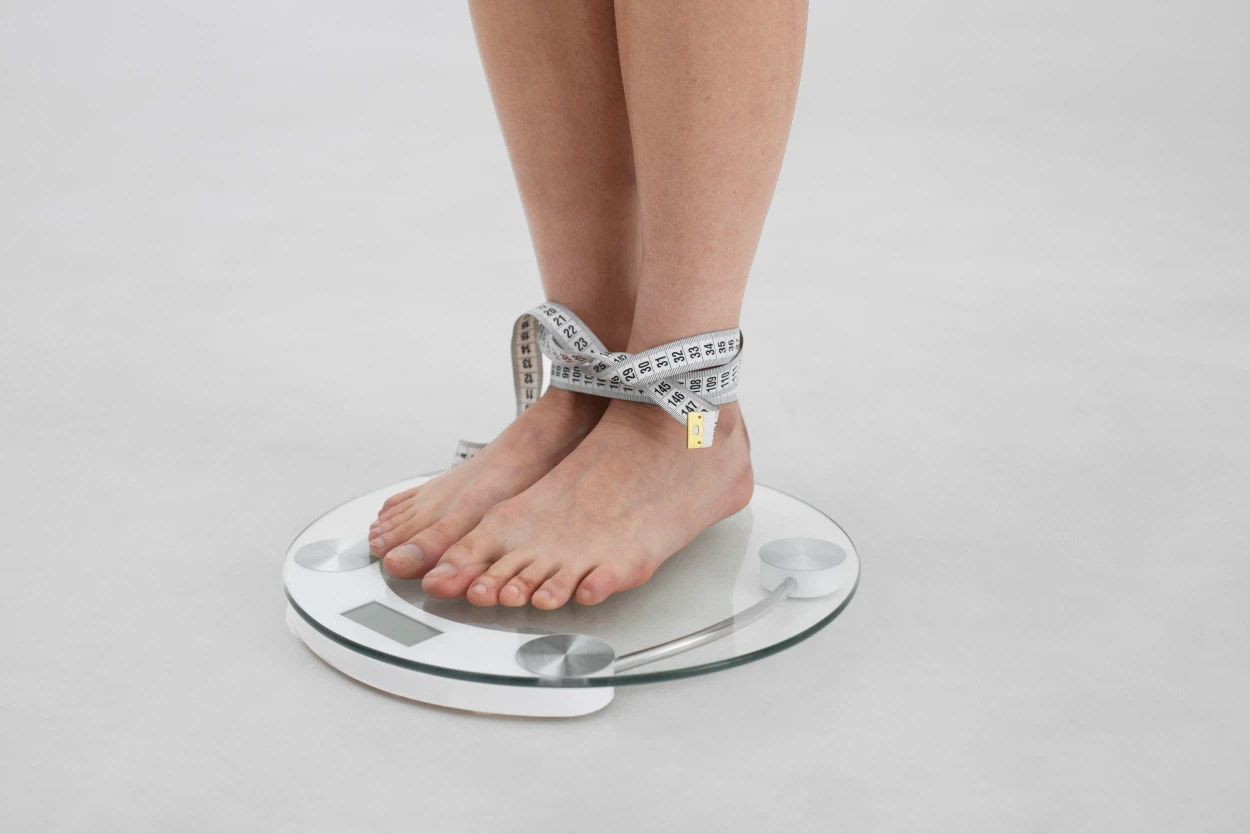
If you have been injecting faithfully and the scales have not moved, the frustration is real. Many patients tell us the same thing around month four or five. They feel like the medication has quietly given up on them.
Most of the time, it has not. Body weight swings by 1 to 2 kg across a single week. Water retention, a salty meal, constipation, hormonal changes and glycogen stores all move the number.
A true plateau is different. It means no downward movement in your weekly average for four weeks or longer, while your habits have stayed the same.
Before you panic, weigh yourself at the same time each morning for a fortnight and take the average. If that average is genuinely flat, you are in a plateau, and the rest of this guide applies.
If you're new to treatment and figuring out what’s normal, our medical weight loss clinic in Medway checks your progress at each appointment. We can quickly let you know if a stall is real.
Why Weight Loss Stalls on Mounjaro (The Science)

Tirzepatide, found in Mounjaro, targets two gut hormone receptors. This helps lower appetite and slows down stomach emptying. It does not override basic energy balance. Three things usually combine to stop the scales.
Metabolic Adaptation
A lighter body is cheaper to run. Every kilogram you lose reduces the energy needed to move, heat and maintain you.
Someone who has lost 15 kg may burn 250 to 400 fewer calories a day than at the start. The deficit you began with has quietly become your new maintenance level.
Your body also becomes more efficient at rest and during movement. This is normal physiology, not a sign that anything has gone wrong.
Loss of Muscle Mass
Rapid weight loss does not come from fat alone. Research on GLP-1 and GIP treatments shows that some weight loss can come from lean tissue if protein and resistance training are not included.
Muscle is metabolically active. Losing it lowers your basal metabolic rate, which is the energy you burn simply by existing.
That creates a loop. Less muscle means a slower metabolism, which means the same food now holds your weight steady.
Medication Tolerance
Your appetite response to a fixed dose softens over time. The hunger suppression that felt dramatic at 5 mg often feels mild by month four.
Portion sizes creep back up without you noticing. Snacking returns, and the calorie gap closes.
This is not the medication failing. Your body adjusts to a steady dose. That’s why Mounjaro is given in a stepped titration schedule. This helps improve gastrointestinal tolerability as your body adapts.
5 Actionable Steps to Break Your Mounjaro Plateau

1. Recalculate Your Calorie Needs
Your original target was built for the body you had, not the body you have now. Recalculate your total daily energy needs based on your weight, age, and activity level. You can also ask your pharmacist or doctor for a personalised diet review.
Any calorie target should be determined through clinical review based on your individual needs. Avoid severe energy restriction. It can lead to muscle loss, fatigue, gallstones, hair thinning, and nutrient deficiencies.
Track everything honestly for one week, including oils, drinks and the bites taken while cooking. Most stalls are found in untracked calories rather than a broken metabolism.
2. Pivot to Protein and Fibre
Protein protects muscle while you are in a deficit. Aim for 1.2 to 1.6 g per kilogram of your target body weight, spread across the day rather than loaded into one evening meal.
Practical portions help more than numbers. Two eggs, a tin of tuna, 150 g of Greek yoghurt or a chicken breast each deliver roughly 20 to 30 g.
Fibre matters just as much on Mounjaro. Slowed digestion makes constipation common, and a backed-up gut adds weight that has nothing to do with fat.
Build towards 30 g of fibre daily from oats, beans, lentils, berries and vegetables. Increase it gradually and drink more water, or you will trade constipation for bloating.
3. Prioritise Strength Training Over Cardio
Long treadmill sessions burn calories for an hour. Building muscle raises what you burn every hour of every day.
Follow the UK guidance of muscle-strengthening activity on at least two days a week. Work all major groups through squats, presses, rows and hinges, using weights, resistance bands or your own body weight.
Keep walking for heart health and appetite control, but stop treating cardio as the engine of fat loss. Strength work is what protects the muscle your metabolism depends on.
Expect the scales to behave oddly for two or three weeks after starting. New training causes mild muscle swelling and water retention, which masks fat loss temporarily.
4. Manage the Hidden Plateau Causes: Sleep and Stress
Short sleep raises cortisol, increases appetite hormones and makes high-calorie food far harder to refuse. Five hours a night will undo a well planned diet.
Target 7 to 9 hours. Fix the basics first: a consistent wake time, no screens for an hour before bed, and no caffeine after midday.
Chronic stress adds its own problem. Raised cortisol encourages fluid retention and pushes fat storage towards the abdomen.
Ten minutes of walking after work, breathing exercises or anything that reliably lowers your stress load counts as weight loss work. It is not a soft extra.
5. Track Non-Scale Victories
Body recomposition hides on the scales. You can lose 2 kg of fat and gain 2 kg of muscle, and the number will not move at all.
Measure your waist, hips, chest, thighs and upper arms every four weeks. Waist circumference is the single most useful marker of health risk.
Pay attention to how clothes fit, your resting heart rate, your energy at 4 pm and how easily you climb stairs. Take progress photos monthly in the same light and clothing.
Blood pressure, HbA1c and cholesterol often keep improving during a scale plateau. Your health is still moving even when the number is not.
Safeguarding Note: Disordered Eating & Anxiety
Tracking weight, following diets, and watching physical changes can cause anxiety. They might also lead to unhealthy feelings about food and body image. If counting calories or tracking weight makes you feel anxious or obsessed, stop right away. Talk to your healthcare provider or pharmacist for help.
Should You Increase Your Mounjaro Dose?
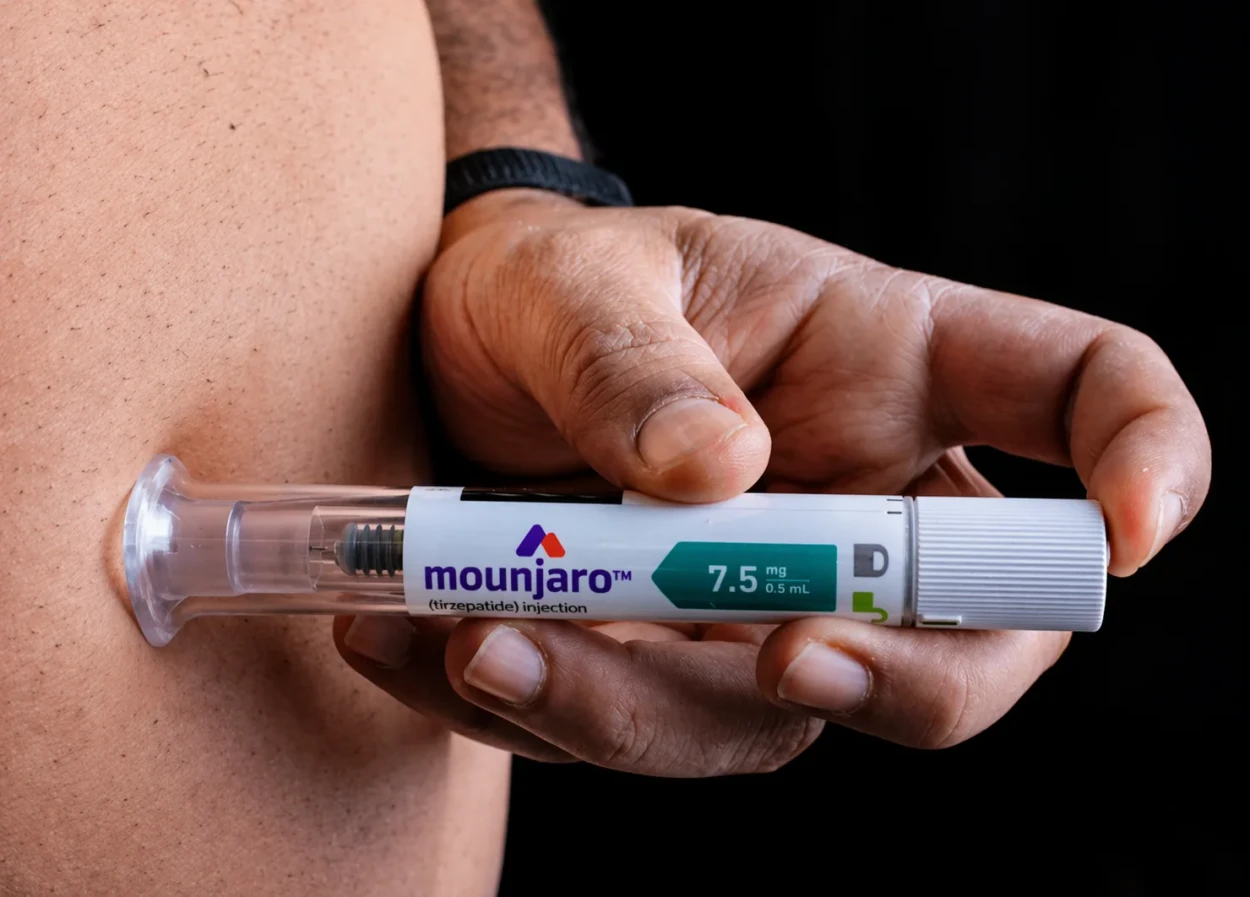
Mounjaro is titrated in steps under PGD protocol. Treatment begins at 2.5 mg weekly for four weeks. Then, it increases to 5 mg. After that, you can raise the dose by 2.5 mg every four weeks, up to a maximum of 15 mg weekly. Clinicians reassess continuation if at least 5% weight loss is not achieved after 6 months on the medication.
A plateau is a reasonable reason to discuss moving up, but the decision is never yours alone. Your pharmacist or clinician will check your weight loss, side effects, and tolerance. They’ll also see if your dose has been steady long enough.
Some people stay at a lower dose because it controls appetite well and keeps side effects manageable. Climbing to 15 mg is not automatically better, and it brings a higher chance of nausea, vomiting and reflux.
A higher dose will also not rescue poor habits. If your protein is low and you have not trained in months, more medication simply makes a smaller appetite do all the work.
Book a review rather than self-adjusting. Changing your own dose risks side effects severe enough to stop treatment altogether.
What Happens After 12 to 18 Months on Mounjaro?
Weight loss on tirzepatide is not linear, and it is not endless. In the SURMOUNT-1 trial, average body weight reductions reached up to 20.9% at the highest 15 mg dose over 72 weeks before the curve flattened.
That flattening is the expected end point, not a failure. Your body reaches a new weight it can hold with the dose, intake and activity you are giving it.
At that stage the goal changes. Maintenance means keeping the weight off, protecting muscle and staying on a plan you can live with long-term.
Many patients stay on a maintenance dose indefinitely because obesity is treated as a chronic condition. Stopping treatment without a plan often leads to relapse. So, talk to your pharmacist or clinician before making any changes.
Frequently Asked Questions
Conclusion
A stall on Mounjaro is almost never the medication quitting on you. It is a smaller body needing fewer calories, some lost muscle, and an appetite that has adapted to a steady dose.
Confirm the plateau is real over four weeks before changing anything. Then recalculate your calories, raise protein and fibre, train for strength twice a week, and protect your sleep.
Track your waist and your clothes alongside the scales, because body recomposition hides from the number. Expect weight loss to flatten naturally around the 12 to 18 month mark as you move into maintenance.
If nothing changes after a month of consistent adjustments, book a review with your pharmacist or clinician. Don’t adjust your dose on your own. Our weight loss clinic in Chatham offers a free initial consultation and ongoing reviews for patients across Medway.
Ready to book an appointment?
Same-week availability for most services. Book online or call us.